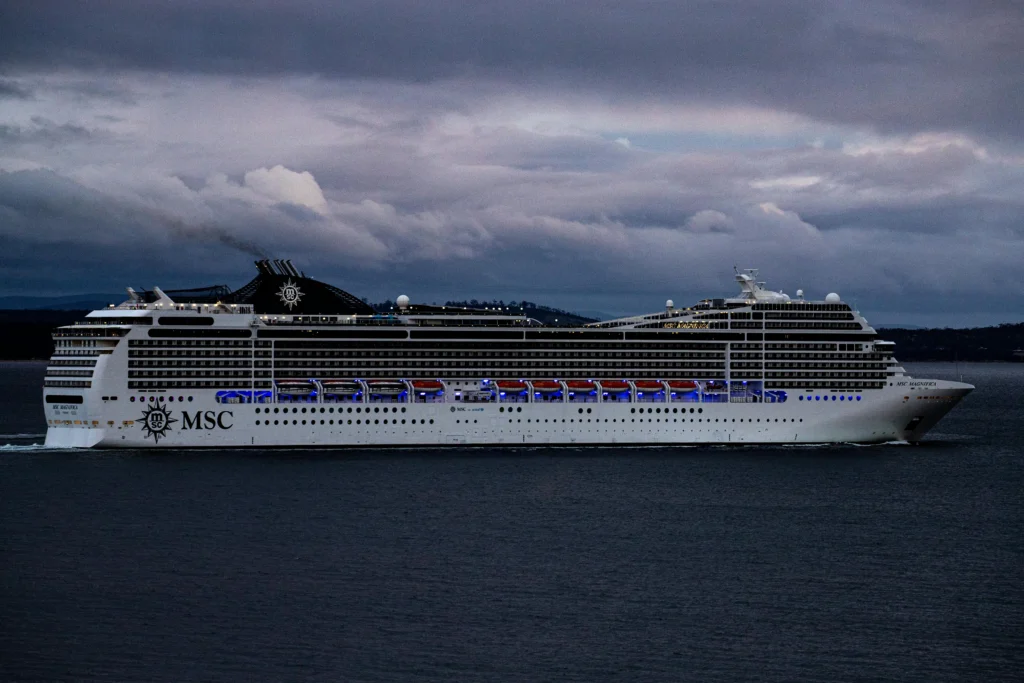
The legal landscape governing international maritime travel has experienced a momentous shift. The Supreme Court of the United States delivered an 8-1 judicial decision that places substantial liabilities on major operators in the modern cruise industry. The high court reversed a lower appeals court ruling, effectively reinstating a combined $440 million in legal judgments against four of the world’s most prominent cruise companies: Carnival Corporation, Norwegian Cruise Line Holdings, Royal Caribbean Cruises, and MSC Cruises.
The multi-year litigation stems from the commercial use of port infrastructure in Havana, Cuba, which was nationalized by the Cuban government following the 1959 revolution. Brought forward by Havana Docks Corporation, an American entity that originally constructed and operated the port terminal, the lawsuit marks a major milestone under the Cuban Liberty and Democratic Solidarity Act of 1996, commonly known as the Helms-Burton Act. For international travel planners and maritime companies, this decisive ruling introduces complex legal parameters regarding port access and historical asset claims in the Caribbean basin.
The Helms-Burton Reality: Historical Confiscations Reshape Modern Docking Security
To evaluate the far-reaching consequences of this decision on cruise industry travel regulations, it is necessary to examine the specific legislative mechanics of the Helms-Burton Act. Under Title III of the federal statute, U.S. citizens and businesses who held certified claims to real estate or infrastructure nationalized by the Cuban state after January 1, 1959, are granted a private right of action. This provision allows original owners to seek civil damages from any global commercial entity accused of “trafficking” in those confiscated assets.
For more than two decades, consecutive U.S. administrations continuously exercised their executive authority to suspend Title III, aiming to shield international business alliances and preserve diplomatic flexibility. However, federal policies shifted dramatically in May 2019 when the executive branch lifted the long-standing suspension. This policy reversal opened federal courtrooms to private litigants and immediately exposed global transportation companies to major financial liabilities for using ports, airports, and industrial infrastructure across the island nation.
Dissecting the Temporal Dispute: Concessions, Usufructs, and Plain Text
The primary defense put forward by the cruise operators focused on the fixed lifespan of the original asset agreement. Before the Cuban revolution, Havana Docks Corporation operated under a 99-year municipal concession granted to build and run the passenger piers, a contract that would have officially expired by its own terms in the year 2004. The cruise lines argued that because their vessels only utilized the Havana terminal between 2016 and 2019—more than a decade after the original concession would have naturally timed out—their operations did not constitute trafficking in property that legally belonged to the plaintiffs.
While the regional appeals court initially favored this temporal argument, the Supreme Court sharply rejected the interpretation. Writing for the eight-justice majority, Justice Clarence Thomas clarified that the text of the Helms-Burton Act focuses strictly on the outstanding nature of a certified claim rather than the shifting lifespan of the underlying real estate. The majority opinion concluded that because the asset was confiscated unlawfully without compensation, the claim remains active and protected under federal law for as long as the property remains expropriated. In contrast, the lone dissenting opinion argued that the ruling inadvertently converts a time-limited operating agreement into a permanent property interest, allowing plaintiffs to collect damages for a period during which they would have held no operational rights.
Changing Rules: What This Means for Global Maritime Routing and Port Due Diligence
This decision establishes an entirely new precedent for risk assessment and corporate liability within global cruise operations. Between 2016 and 2019, the cruise industry heavily expanded its Caribbean portfolios to satisfy a surge in consumer demand for cultural itineraries in Cuba, following a broad easing of travel restrictions by the federal government. The fact that these companies now face severe financial penalties for participating in journeys that were openly encouraged by federal executive policy underscores the volatile legal environment surrounding sanctioned destinations.
Moving forward, major cruise corporations must implement rigorous historical due diligence protocols before finalizing itineraries involving ports with complex geopolitical records. Legal analysts emphasize that the high court’s broad interpretation of trafficking means that compliance with current executive travel authorizations no longer immunizes operators from legacy statutory liabilities. This landmark shift is expected to prompt cruise lines to seek explicit financial indemnifications and undergo extensive title verifications, transforming how the global travel sector approaches port infrastructure access in historically contested waters.
For more travel news like this, keep reading Global Travel Wire