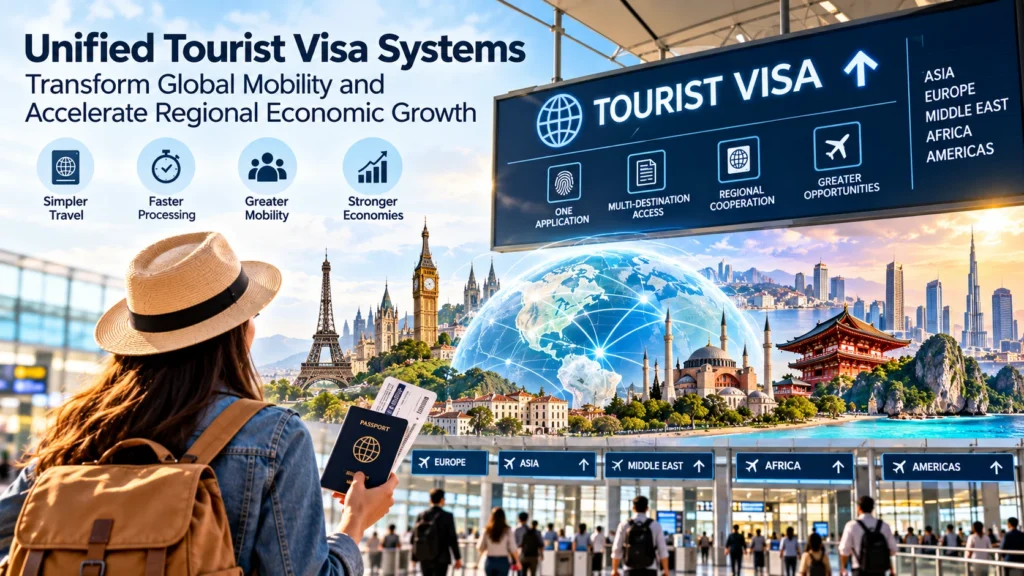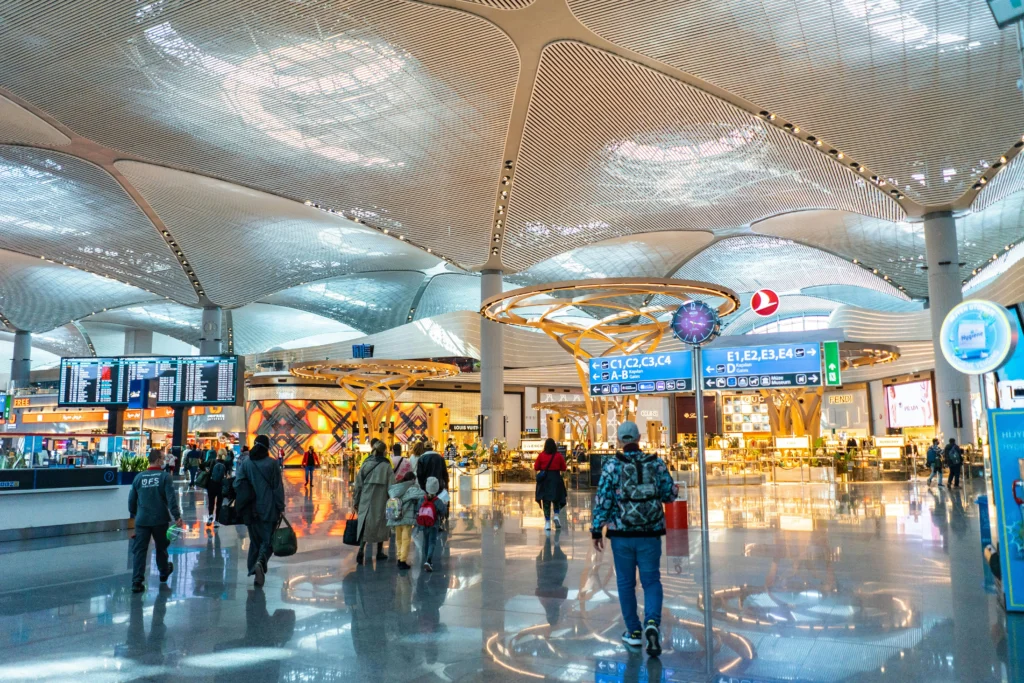
A massive coordination effort is underway at Dubai International Airport as civil aviation teams brace for one of the most intense travel windows of the season. According to official flight forecasts, Sunday, May 31, is projected to stand out as the absolute peak travel day for the facility, with more than 194,500 total passengers expected to transition through the airport’s terminals within a single 24-hour window.
The sharp acceleration in travel demand coincides with the upcoming week-long Eid Al Adha holiday period. General aviation summaries released by transport authorities reveal that the current spike is being generated by a unique structural convergence of outbound leisure vacations, short-haul regional family reunions across the Gulf Cooperation Council, and the critical mass movement of pilgrims heading directly to Saudi Arabia for the annual Hajj season.
Integrated Operational Strategy Activated to Secure Smooth Transit
According to statements from Majed Al Joker, Chief Operating Officer of Dubai Airports, the complex combination of holiday recreational travel and pilgrimage itineraries transforms the Eid window into an essential annual milestone for the facility. Terminal managers have emphasized that the impending volume spike is treated as a premium opportunity to validate the built-in scalability of the city’s aviation infrastructure and the deployment readiness of specialized ground crews.
To absorb the influx without impacting standard operational speeds, management teams have initiated full-scale operational blueprints coordinated across airlines, state control authorities, and ground handling partners. Operating under the unified “oneDXB” framework, the collaborative operational matrix leverages real-time synchronization between the airport’s control towers, customs offices, and passenger service departments to prevent terminal congestion.
Statistical projections indicate that the outbound momentum will become intensely noticeable early in the week, with Saturday, May 23, designated to hold the season’s highest concentration of departing flyers. Official tracking systems show that more than 67,000 travelers are actively scheduled to fly out from the metropolitan gates on that single day, testing the outward throughput capabilities of the terminal logistics pipelines.
High-Demand Global Sectors and Expanded Carrier Capacity
Official data from the General Civil Aviation Authority shows that international flight networks are witnessing intense interest across several dominant global corridors. South Asia, Western Europe, and East Asia continue to dominate as the most highly requested destinations for travelers exiting the country this season.
To match this profound seasonal demand, local UAE carriers have scaled up seat allocations, deploying high-capacity widebody aircraft and adding supplementary flight frequencies across an aggressive international flight network that systematically links the city to more than 150 scheduled destinations around the globe. Concurrently, short-haul flight routes to neighboring Gulf Cooperation Council countries are operating at high capacity, with flights heading toward Saudi aviation hubs taking top priority to handle the immense concentration of Hajj pilgrims.
Advanced Biometric Frameworks and Smart Tech Lower Wait Times
To maintain minimal processing times during the May 31 crunch, operational teams are leaning heavily into digital infrastructure and automated passenger tracking systems. Chief among these technologies is the newly updated biometric processing framework, which utilizes advanced facial recognition sensors to run high-speed passport and security validation procedures.
These automated smart gates have drastically reduced standard processing loops, allowing passengers to glide through border controls in a matter of seconds without the repetitive physical presentation of boarding passes or paper document folders. This digital network is tightly integrated with real-time queue monitoring software that constantly measures passenger density across check-in halls and security screening lanes. If bottlenecking is detected, the system automatically redirects support teams to clear the affected zone.
Furthermore, self-service check-in kiosks and automated baggage drop portals have been deployed en masse across terminals to enable travelers to bypass traditional counter lines entirely. Recognizing the specialized nature of the pilgrimage season, terminal operators have additionally established isolated, dedicated processing zones specifically configured to support Hajj groups, complete with specialized administrative support teams to ensure a dignified, highly structured departure experience.
Crucial Travel Advisories Issued for Arriving Passengers
Given the high density of travelers navigating toward the airport corridors, official transport directives are urging all departing individuals to adjust their schedules to ensure a stress-free departure. Civil aviation officials strongly recommend arriving at the corresponding terminal at least four hours prior to the scheduled flight departure time.
Passengers are also being urged to fully utilize digital check-in resources via their respective airline apps or web platforms well before reaching the terminal grounds. Travelers are reminded to double-check destination-specific entry criteria, visa requirements, and passport validity margins early. To bypass potential road congestion across the main highway veins servicing the airport, transport planners are heavily advising the public to utilize the metropolitan metro rail system, which links directly into the core terminal buildings.
Cultivating Heritage and Traditional Cultural Hospitality
Alongside technical preparations, the aviation authority is transforming terminal environments to match the celebratory spirit of the season. From May 26 to 29, Terminal 3, Concourse B, will morph into a cultural showcase in direct alignment with the ongoing “Flame Tree Season” campaign and the highly celebrated Emirati District initiative.
Arriving and departing international guests will be met with traditional hospitality activations, featuring the distribution of handmade floral arrangements, custom Eid greeting cards, and instant souvenir photographs. Running under the official theme “Eid in Dubai,” the cultural presentation is designed to provide global travelers with an authentic taste of local heritage and warm community hospitality during one of the most operationally intense weeks on the global aviation calendar.
For more travel news like this, keep reading Global Travel Wire