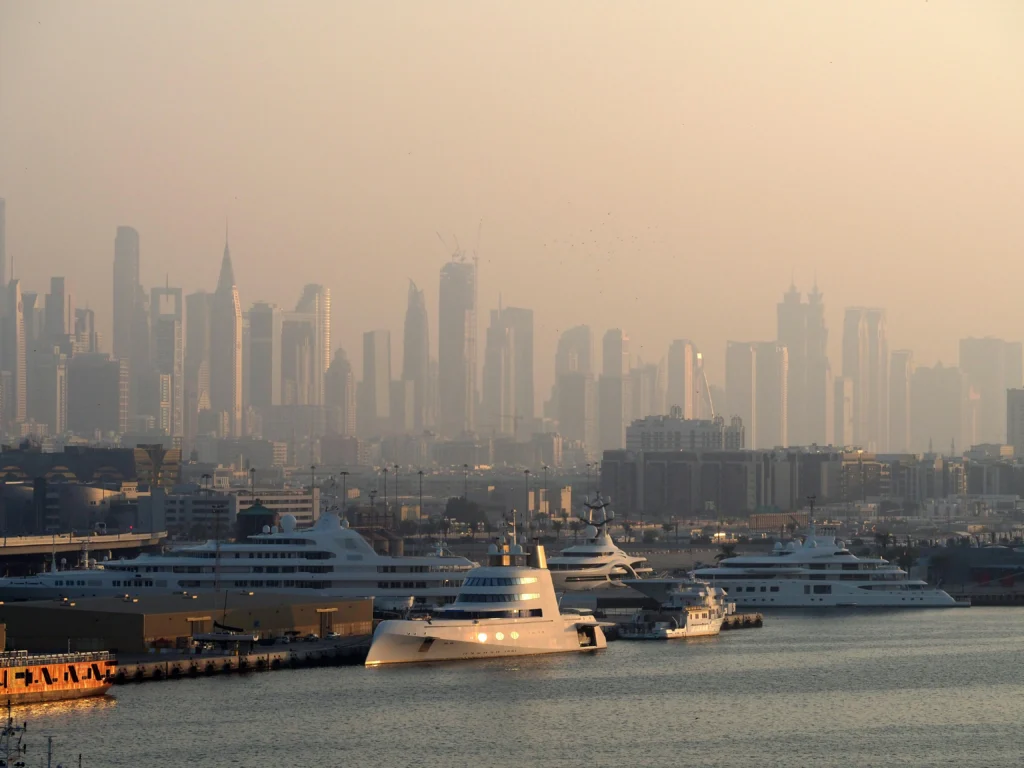
The regional travel sector is experiencing a notable shift as top-tier hospitality operators launch tailored initiatives to capture the surging demand for premium local getaways. Leading this seasonal movement, the Four Seasons Hotel Dubai International Financial Centre (DIFC) has unveiled an exclusive administrative package designed specifically for Gulf Cooperation Council (GCC) nationals and residents. The specialized program highlights a broader regional trend where luxury urban properties adapt their offerings to provide comprehensive sanctuary experiences, seamlessly bridging the city’s cosmopolitan financial hubs with high-end leisure destinations.
According to the latest figures published by the Dubai Department of Economy and Tourism (DET), the proximity markets of the GCC and the wider Middle East and North Africa (MENA) region remain foundational to the emirate’s hospitality ecosystem, accounting for a combined 26% share of overall overnight arrivals. This strong performance underpins the continuous development of sophisticated localized travel programs, establishing the city as a preferred year-round destination for regional travelers seeking refined, short-haul escapes.
The Architecture of the Modern Urban Sanctuary
Situated at the crossroads of the region’s commercial, artistic, and culinary sectors, contemporary urban retreats are redefining the traditional staycation framework. Rather than acting merely as transit hubs, centrally located properties are utilizing meticulous architectural layouts and highly individualized service paradigms to position themselves as private sanctuaries. The goal is to let guests absorb the dynamic pace of the metropolitan environment while remaining safely insulated within an atmosphere of absolute discretion.
At the center of this seasonal strategy is a structured promotional framework that grants localized travelers a curated set of operational privileges. Properties are leveraging cross-property partnerships to extend the guest journey beyond the immediate corporate district. For example, guests securing accommodations within the financial hub gain direct, priority entry to exclusive beachfront facilities at sister resorts along the Jumeirah coastline, effectively combining the sophistication of a high-rise skyline retreat with the tranquil relaxation of a private beach club.
Structured Benefits Elevate the Regional Travel Experience
To streamline staycation logistics for regional families and corporate executives alike, the hospitality sector has formalized a suite of operational enhancements aimed at maximizing convenience and flexibility. Verified guidelines for the current summer framework include specific, measurable value-adds designed to capture premium leisure segments:
Flexible Arrival and Departure Frameworks: To accommodate regional driving timelines and flexible flight schedules across the Gulf, participating guests receive prioritized early check-in and extended late check-out privileges, subject to initial room availability.
Centralized Gastronomy Inclusions: Accommodations booked under the dedicated regional resident framework automatically incorporate daily breakfast options at acclaimed corporate dining venues, including MINA Brasserie and the Penrose Lounge.
Integrated Family Care Policies: Recognizing the importance of family travel dynamics within the GCC market, the seasonal program allows up to two children under the age of 12 to stay and dine on a complimentary basis when sharing existing bedding configurations with their parents.
Direct Cost Optimizations: To encourage exploration of the city’s celebrated culinary scene, the program features a standard 20% adjustment on food and beverage expenditures across applicable in-house venues, alongside a 25% optimization on private poolside cabana rentals at adjacent beachfront properties.
To maintain the integrity of these localized travel initiatives, municipal tourism standards mandate that guests present a valid national or residency identification card issued by a GCC member state upon standard check-in.
Macroeconomic Trends in Leisure and Retail Connectivity
The ongoing evolution of high-end urban staycations aligns closely with the long-term goals of the Dubai Economic Agenda (D33), which aims to consolidate the emirate’s position among the top global cities for business and leisure tourism. By creating compelling summer incentives, the hospitality sector successfully stabilizes seasonal occupancy rates, ensuring a steady influx of regional consumer spending into domestic retail and entertainment ecosystems.
Properties located within moments of major architectural landmarks, such as Downtown Dubai and the expansive Dubai Mall complex, function as vital conduits for luxury retail traffic. Visitors are able to seamlessly transition from browsing world-class fashion houses and contemporary art galleries to enjoying panoramic skyline views at iconic high-altitude leisure decks, such as the translucent Glasswater Pool setup.
As the regional hospitality sector adapts to record-breaking seasonal demand, the continuous deployment of targeted resident programs demonstrates the agility of the local market. By beautifully balancing vibrant lifestyle options with the uncompromising luxury, privacy, and exceptional hospitality that define world-class brands, urban resorts ensure that the regional travel community can experience the city through a distinctly elevated perspective.
For more travel news like this, keep reading Global Travel Wire