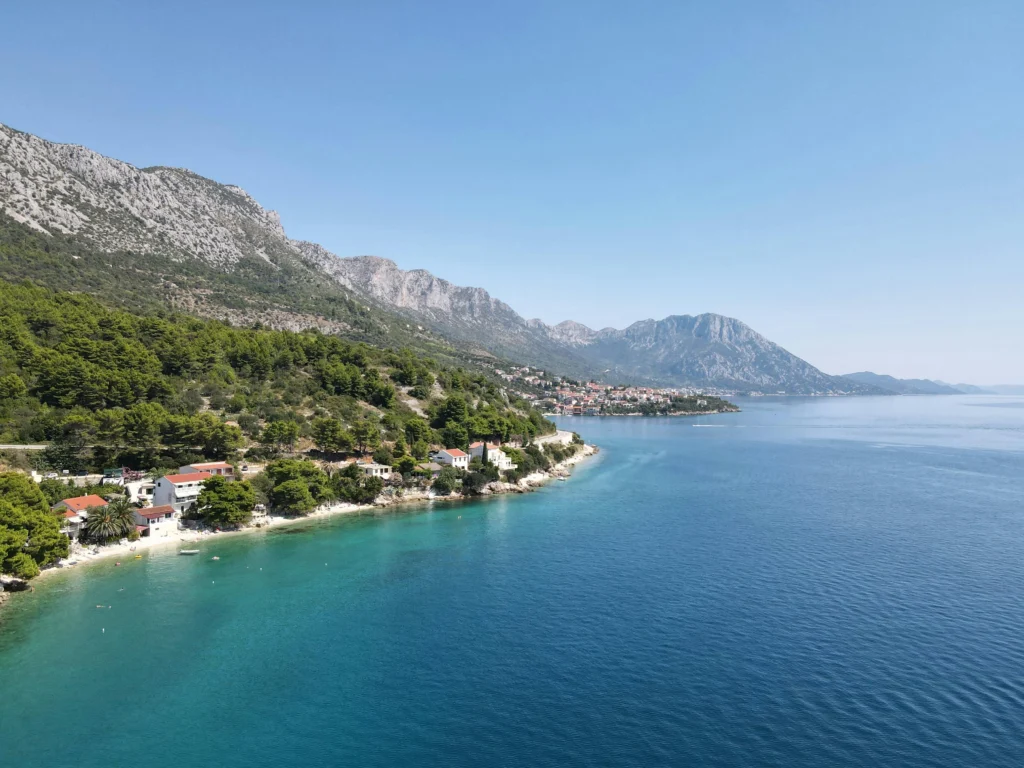
The dramatic evolution of Mediterranean leisure travel is highlighting a major transformation along the Balkan peninsula. Driven by an unprecedented influx of international travelers, Adriatic nautical tourism has officially established itself as a premier pillar of the region’s economy. Comprehensive updates published by the Croatian Burea
u of Statistics (DZS) and the Ministry of Tourism and Sport confirm that the country achieved a historic milestone of over 110 million overnight stays nationwide, with the vast majority concentrated heavily along the dramatic Adriatic coastline.
This exceptional performance is fundamentally reshaping the operational profiles of localized maritime platforms and transport infrastructure groups, such as the regional maritime conglomerate Lošinjska Plovidba Holding. As international focus shifts toward specialized holiday segments, the strategic intersection of port operations, hospitality networks, and maritime transport routes is proving essential to maintaining the country’s long-term competitive edge in the global leisure sector.
The Strategic Value of Nautical Networks and Port Modernization
The structure of the modern Adriatic travel model depends directly on the quality and capacity of localized coastal infrastructure. The region of Kvarner, alongside the prominent island hubs of the Cres-Lošinj archipelago, functions as a highly vital maritime corridor. According to official data from the eVisitor system, the Primorje-Gorski Kotar County, which encompasses these primary northern islands, logged over 15.5 million overnight stays, cementing its status as one of the top three most successful tourist regions nationwide.
To capitalize on this sustained momentum, regional holding companies are focusing resources on asset-heavy infrastructure projects. Marina services, which generate consistent baseline revenue through seasonal berthing contracts and comprehensive vessel storage, require substantial capital investment to accommodate larger global yacht fleets. The Ministry of Tourism and Sport, led by Minister Tonči Glavina, has emphasized that long-term destination value relies heavily on shifting away from hyper-seasonal mass tourism toward high-end, premium maritime services that naturally prioritize environmental sustainability and premium service quality.
Diversifying Revenues Across the Coastal Hospitality Grid
A primary lesson emerging from the record-breaking travel data is the immense value of integrated business models within the hospitality sector. Established regional operators balance the distinct seasonal demand cycles of the Mediterranean by distributing activities across highly complementary infrastructure pillars:
High-Capacity Camping and Eco-Grounds: Official data reveals a profound surge in outdoor leisure choices, with campsite stays recording a notable 3.1% year-on-year increase. This segment has evolved from basic pitches into luxury eco-resorts featuring advanced amenities that blend seamlessly with preserved natural coastal reserves.
Legacy Hotel and Apartment Portfolios: Commercial hotel accommodation saw a robust 2.7% increase in overnight traffic. Premium urban properties and seaside boutique villas are increasingly implementing digital booking channels and personalized guest experiences to capture high-value outbound travelers from primary European and North American source markets.
Vital Maritime Transport and Inter-Island Connections: Regional ferry connections and commercial passenger shipping lines play a fundamental dual role. Beyond serving as necessary public transit networks for permanent island residents, these marine links provide the critical transportation backbone that enables international tourists to access remote island destinations effortlessly.
Commercial Real Estate and Long-Term Leases: To protect balance sheets against unpredictable weather variations or short-term shifts in consumer preferences, coastal holding entities utilize commercial property leases. Leasing premium retail spaces or restaurant premises to third-party operators provides a highly predictable, year-round revenue stream that stabilizes corporate performance outside the peak summer months.
Strict Regulatory Frameworks Safeguarding Coastal Preservation
The rapid expansion of the maritime travel market has prompted the central government to implement stringent regulatory updates designed to protect the country’s fragile natural asset base. The Ministry of Tourism and Sport has advanced landmark legislative reforms targeting the rapid, unregulated expansion of private accommodations. These regulatory measures resulted in a strategic reduction of approximately 10,000 unclassified private beds nationwide, successfully optimizing overall destination density and encouraging travelers to utilize certified, professional hospitality establishments and structured marina networks.
Furthermore, the Croatian government has tightened coastal construction policies and maritime safety regulations. These environmental guardrails are intentionally designed to prevent the overdevelopment of fragile island coastlines. While these constraints naturally limit the physical creation of brand-new marina basins, they simultaneously elevate the long-term asset value and competitive positioning of existing, properly certified infrastructure hubs.
Global Investment Potential in a Modernized Eurozone Hub
For global infrastructure investors, the integration of Croatia into the core financial structures of the European Union, combined with its adoption of the euro currency, has significantly lowered cross-border operational friction. By establishing a completely stable monetary framework, the country has become increasingly attractive to diversified international portfolios looking for solid exposure to European real estate and specialized travel infrastructure.
As the central tourism board advances its comprehensive promotion strategy, the overarching goal remains clear: stabilizing price competitiveness while ensuring that the value-for-money ratio reflects exceptional quality. Backed by solid institutional metrics and continuous investments in harbor systems, digital processing, and premium guest facilities, the Adriatic maritime network is uniquely positioned to maintain its status as a highly resilient and exceptionally sophisticated global holiday destination.
For more travel news like this, keep reading Global Travel Wire