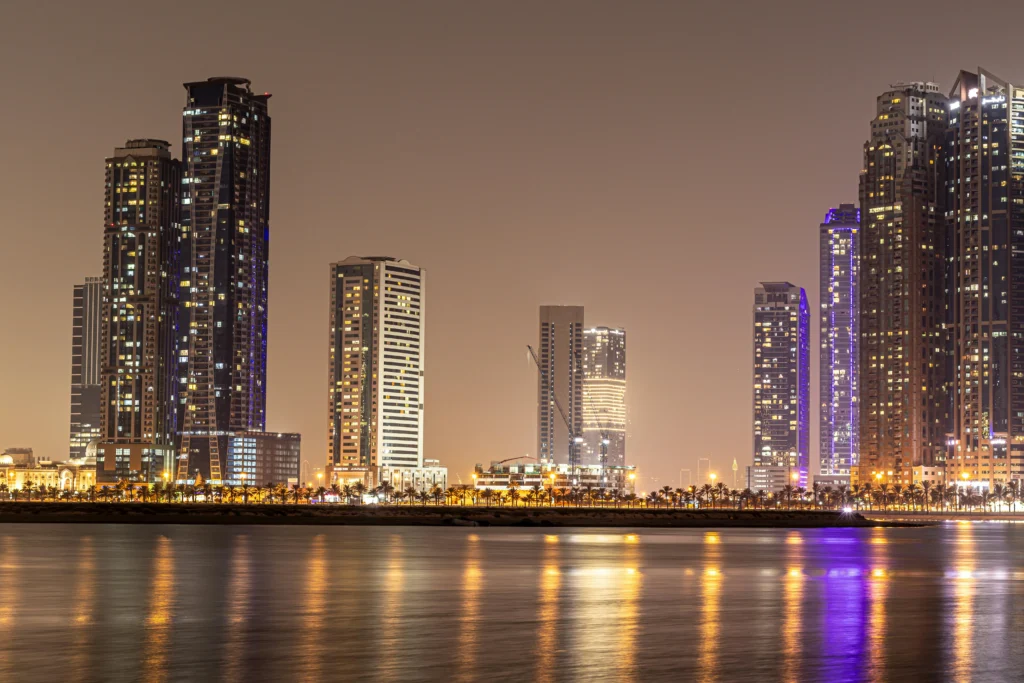
The hospitality industry across the United Arab Emirates is experiencing a highly anticipated operational resurgence as the expansive nine-day Eid Al Adha holiday framework gets underway. Following several months of cross-border flight disruptions and fluctuating regional travel volumes that compressed hotel demand, properties throughout Dubai and Abu Dhabi are reporting an exponential surge in booking velocities.
The immediate turnaround is being propelled by an unprecedented wave of domestic staycations alongside family-centric leisure groups from the wider Gulf Cooperation Council region. According to seasonal forecasting data released by the Dubai Department of Economy and Tourism, the long holiday break has created an essential financial buffer for commercial lodging properties. It offers immediate relief to an industry that faced single-digit occupancy floors during the low points of the preceding quarter.
Tracking the Occupancy Surge Across Premier Urban Sectors
Statistical monitoring from property management organizations indicates that occupancy targets are rebounding toward premium levels, representing a dramatic shift from the mid-March baseline when international transit slowed. Data from tracking platforms reveals that corporate booking volumes for the holiday week are trending approximately 76 percent higher on a week-on-week basis, while total room nights reserved have scaled up by roughly 28 percent.
This high velocity has driven a corresponding 39 percent increase in total booking valuations, supported by a solid 9 percent optimization in average daily room rates across the metropolitan hotel portfolio. Hospitality directors overseeing prominent properties, such as the Taj Downtown and Taj JLT complexes, indicate that occupancy levels are projected to jump to a healthy 70 to 75 percent range over the standard off-peak baseline of 40 percent.
Concurrently, average daily rates are registering an upward adjustment of 15 to 20 percent. The growth is even more pronounced across ultra-luxury beachfront resorts situated along Palm Jumeirah infrastructure, where average daily rate yields are climbing by up to 70 percent, and occupancy figures are outpacing standard May weekends by 40 percent.
The Staycation Shift: Lowering Operational Pressures and Travel Friction
Aviation and retail economic reviews attribute the overwhelming concentration of domestic demand to localized changes in broader air travel networks. Increased international fuel costs have systematically driven up cross-border ticket prices. This trend, combined with temporary routing adjustments by select international carriers, has led a large percentage of UAE residents to bypass overseas vacations in favor of domestic premium getaways.
Tourism development groups note that while family-friendly beachfront resorts and value-centric city hotels are benefiting significantly from this domestic redirection, the immediate gains help stabilize long-term operations. Industry experts point out that while the extended holiday provides a vital short-term revenue breath of fresh air, the full, sustained stabilization of the hospitality sector will ultimately rely on the continuous return of high-spending international long-haul tourists over the later half of the year.
Corporate Alignments and Extended Public Leaves Accelerate Registrations
The volume of last-minute reservations accelerated sharply following formal human resource directives issued by federal and private labor ministries. While public sector entities and educational institutions were granted the standard five-day paid leave framework, which naturally links with adjacent weekends to form a seamless nine-day break, an increasing number of major private enterprises chose to match this schedule.
By officially transitioning corporate calendars to observe the holiday starting from Saturday, May 23, instead of later in the week, businesses inadvertently unlocked a massive wave of immediate leisure spending. Hotel reservation desks across Abu Dhabi reported an instantaneous spike in reservation transactions immediately following the labor announcements, with the highest concentration of premium room check-ins heavily clustered between May 27 and May 29.
Operational Ramping and Mass Personnel Recalls
The abrupt, highly condensed shift from historic single-digit occupancy lows to near-capacity festive bookings has forced property operators to rapidly scale up terminal staffing levels. During the quiet operational windows of early spring, numerous properties had adjusted down their front-of-house shifts, reduced food and beverage rosters, and permitted contract workers to return to their home markets.
Faced with a rapid influx of holiday check-ins, human resource departments are actively recalling hospitality professionals, increasing shift allocations, and onboarding specialized temporary staff. This aggressive recruitment push ensures that front-office operations, housekeeping departments, culinary teams, and premium spa facilities maintain standard luxury service benchmarks during the peak traffic rush.
Government Stimulus Shields and Targeted Competitive Campaigning
The holiday rebound directly complements an ongoing AED 1.5 billion financial stimulus package launched by the Dubai government to shield the tourism ecosystem from prolonged economic headwinds. The state-backed intervention provides critical cost reductions by suspending the standard 7 percent municipal fee on hotel rooms and restaurant dining sales, entirely waiving the Tourism Dirham collection, and eliminating compliance fees for specialized event permits.
To leverage this cost relief and maximize their appeal during the nine-day window, hotels have rolled out aggressive citywide staycation promotions in partnership with the Dubai Festivals and Retail Establishment. Major operators, including the Four Seasons Resort Dubai at Jumeirah Beach, Address Beach Resort, and Anantara The Palm, have introduced dedicated residents’ rates featuring room discounts up to 45 percent, complimentary family breakfasts, and significant dining credits. These targeted incentives ensure that while projected festive occupancy levels remain slightly below the pre-disruption high-water mark of 84 percent recorded in early 2026, the current holiday surge delivers a critical milestone for the regional economy.
For more travel news like this, keep reading Global Travel Wire