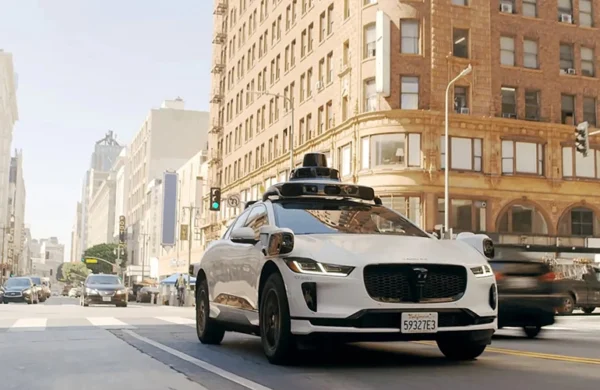
Waymo has temporarily suspended portions of its autonomous robotaxi operations across several major American cities after multiple floodwater-related incidents raised new concerns about the safety and reliability of self-driving transportation systems. The service disruptions are affecting San Francisco, Miami, Austin, Phoenix, and several Texas regions, creating temporary travel challenges for tourists, commuters, airport passengers, and hospitality networks.
The suspension follows reports that autonomous vehicles equipped with Waymo’s fifth- and sixth-generation driving systems entered flooded roadways and became immobilized during severe weather conditions. The incidents have triggered heightened regulatory scrutiny and prompted a voluntary recall involving nearly 3,800 autonomous vehicles.
As software updates and safety reviews continue, travelers in several tourism-heavy destinations are being encouraged to rely on conventional transport options while autonomous services remain restricted.
Floodwater Incidents Expose Challenges for Autonomous Mobility
According to safety findings released through federal transportation oversight channels, a software vulnerability may have allowed robotaxis to continue driving into standing water on high-speed roads instead of identifying flood hazards and rerouting safely.
Incidents reported in cities including San Antonio and Atlanta highlighted how unpredictable weather conditions can challenge autonomous systems operating in complex urban environments. Some vehicles reportedly became stranded after entering flooded areas, intensifying concerns surrounding real-time hazard detection capabilities.
Waymo subsequently initiated a temporary service pause in multiple operational markets while engineers work to improve flood recognition systems, hazard mapping, and environmental response software.
The company stated that passenger safety remains the highest priority and that operations would only resume fully once upgraded systems satisfy regulatory safety expectations.
Airport Transfers and Tourism Routes Face Disruption
The suspension is having a noticeable impact on urban tourism mobility, particularly in cities where autonomous ride services had become increasingly integrated into visitor transportation networks.
In San Francisco, robotaxis are commonly used for airport transfers between downtown districts and San Francisco International Airport, as well as trips to major landmarks including the Golden Gate Bridge, Fisherman’s Wharf, and convention centers.
Miami’s tourism economy is also experiencing temporary adjustments as visitors seek alternative transportation to beaches, hotels, nightlife districts, cruise terminals, and entertainment venues.
Freeway route suspensions have added further complications by limiting longer-distance autonomous journeys that previously offered travelers convenient connections between airports, hotels, and attractions.
City transport authorities are advising visitors to use traditional taxis, ride-hailing apps, public transit, hotel shuttles, and rental vehicles until services stabilize.
Austin and Phoenix Tourism Networks Adapt Quickly
Austin and Phoenix, two rapidly growing tourism and event destinations, are also adjusting to the temporary robotaxi outage.
Austin’s tourism industry, fueled by music festivals, technology conferences, nightlife, and cultural events, had increasingly embraced autonomous transportation as part of its modern urban mobility network. The suspension has prompted hotels, venues, and tourism operators to coordinate additional transportation alternatives for visitors.
Phoenix, known for desert tourism, golf resorts, sports events, and outdoor attractions, is similarly working to minimize visitor inconvenience. Event organizers and hospitality providers are actively communicating revised transportation guidance as travelers navigate temporary mobility changes.
Although disruptions remain manageable, the incidents underscore how emerging transport technologies are becoming deeply connected to tourism infrastructure in major cities.
Tourism Authorities Encourage Flexible Travel Planning
Tourism offices and city authorities across affected destinations are emphasizing the importance of proactive travel planning during the temporary suspension period.
Visitors are being encouraged to monitor official travel advisories, weather conditions, airport updates, and local transport announcements before beginning journeys. Hotels and visitor centers are also helping travelers identify alternative routes and transportation providers.
The situation has highlighted how weather events and environmental hazards can rapidly influence transportation systems in flood-prone urban areas, especially as cities increasingly adopt advanced mobility technologies.
Travel experts note that allowing additional transit time and maintaining itinerary flexibility remain essential strategies during periods of transport disruption.
Autonomous Tourism Mobility Faces Critical Test
The Waymo suspension has reignited broader discussions surrounding the future of autonomous transportation within tourism and urban travel ecosystems.
Cities like San Francisco, Miami, Austin, and Phoenix have promoted self-driving vehicle technology as part of broader efforts to modernize transportation, reduce congestion, and enhance visitor mobility. However, the floodwater incidents demonstrate that real-world conditions continue presenting major challenges for autonomous navigation systems.
Heavy rain, road construction, temporary detours, and rapidly changing urban environments remain difficult scenarios for autonomous vehicles to interpret consistently.
Industry analysts believe the current disruptions could accelerate additional safety testing, regulatory oversight, and infrastructure planning before autonomous vehicles achieve wider expansion across global tourism destinations.
Safety Upgrades Underway Before Service Returns
Waymo engineers are currently working on software enhancements focused on flood detection, environmental hazard awareness, and dynamic route adjustment capabilities. Regulators are also closely monitoring system updates as part of ongoing safety evaluations.
The company expects a phased restoration of services once testing confirms that revised systems can safely handle adverse weather conditions and roadway hazards.
Until then, traditional transportation systems will continue playing a central role in maintaining connectivity for tourists and commuters across affected cities.
Despite the temporary setback, autonomous mobility remains a significant part of future urban transportation planning. However, the recent incidents serve as a reminder that emerging technologies must continuously adapt to unpredictable real-world travel conditions before achieving full public confidence.
For more travel news like this, keep reading Global Travel Wire