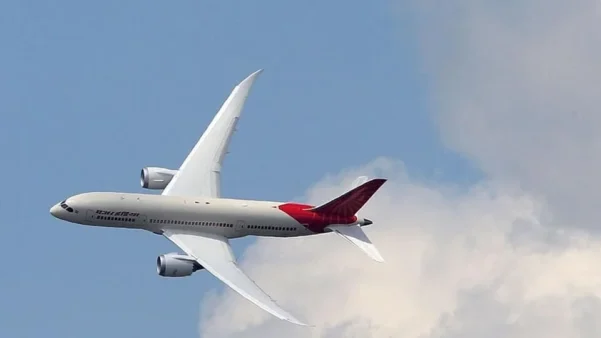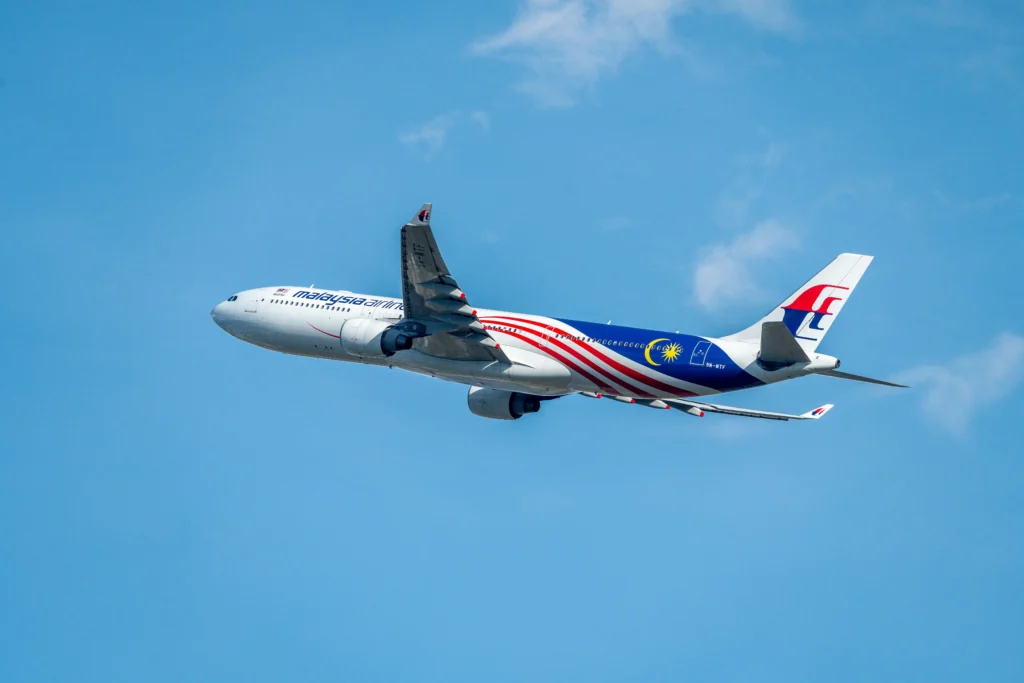
The national carrier of Malaysia has taken a monumental step forward in its long-term network growth and fleet enhancement strategy. In an official announcement from the national carrier’s parent company, the Malaysia Aviation Group, the airline confirmed the successful delivery of its fourth next-generation Boeing 737-8 aircraft for the current calendar year. The aircraft touched down at Kuala Lumpur International Airport following an intercontinental ferry flight from the manufacturing facility in Seattle, pausing for scheduled transit stops in Honolulu and Guam.
This latest delivery holds deep historical significance for the country’s commercial aviation sector, representing the 200th Boeing aircraft delivered to the national carrier since the partnership began in 1972. The operational expansion serves as a central pillar for the airline’s overarching narrowbody renewal program, which encompasses a firm order of 55 incoming single-aisle aircraft. The long-term acquisition strategy includes 43 737-8 models and 12 larger 737-10 variants, with consecutive deliveries strategically mapped through 2030 to steadily phase out legacy aircraft.
According to ministry statements and updated aviation registries, the national carrier has successfully brought 18 of the firmed 43 737-8 aircraft into active service. The structural upgrade directly supports the country’s tourism initiatives, giving the carrier the technical capacity to scale up flight frequencies and establish sustainable links between key regional economic hubs.
Enhancing Traveler Comfort and Operational Efficiency
The introduction of these highly efficient, next-generation aircraft is projected to significantly enhance the passenger experience while simultaneously reducing environmental impacts. Aviation group leadership notes that the ongoing fleet modernisation program focuses heavily on adapting to evolving market dynamics and supporting future tourism growth. The newer aircraft deliver a substantial 20% reduction in carbon dioxide emissions alongside a 50% reduction in noise footprints compared to older single-aisle generations.
For inbound and outbound tourists, the modern cabin configuration redefines regional transit. The aircraft are equipped with advanced ergonomic seating, updated wireless in-flight entertainment via the specialized portal, and integrated charging facilities at every seat. To celebrate the country’s cultural heritage, the interior design incorporates traditional debossed batik motifs across the passenger cabins, presenting an authentic window into local craftsmanship the moment international visitors step on board.
Strategic Transition to Disciplined Expansion
The delivery arrives as the aviation group enters the third iteration of its long-term business plan, known formally as LTBP 3.0. Running from 2026 through 2030, this new corporate blueprint marks an intentional shift away from post-pandemic financial stabilization toward highly disciplined network expansion.
The primary goals of the five-year roadmap include boosting overall group revenues, strengthening third-party aviation service ventures, and elevating the national carrier’s international service ranking. By deploying highly reliable and fuel-efficient narrowbody aircraft, the airline can successfully mitigate volatile global fuel costs while introducing highly competitive commercial flights into previously unserved destinations across the Asia-Pacific region.
Launching New Direct Destinations to Support Tourism
Leveraging the expanded operational capacity of the incoming fleet, the airline group has unveiled several direct international routes designed to draw high-yield tourist arrivals to Malaysia. Despite ongoing macroeconomic headwinds, the carrier is systematically deepening its presence in prime tourist source markets, specifically targeting mainland China and Japan.
The upcoming route expansion schedule includes the following new operations:
Shenzhen, China: A brand-new daily direct flight departing from the main hub at Kuala Lumpur International Airport is scheduled to commence on July 1. This service marks the airline’s eighth dedicated destination within the Chinese market.
Changsha, China: Following closely on July 8, the carrier will initiate regular direct passenger flights to Changsha, establishing its ninth destination in China to capture growing leisure and corporate travel demand.
Fukuoka, Japan: Beginning September 2, the national carrier will officially resume its passenger services to Fukuoka with five weekly direct flights. This highly anticipated relaunch marks the airline’s return to the coastal city after a multi-decade hiatus, effectively complementing existing widebody operations to Tokyo and Osaka.
Broad Tourism and Economic Impacts
The Ministry of Tourism, Arts and Culture has repeatedly highlighted that expanding direct aviation connectivity is absolutely essential for achieving national visitor arrival targets. Direct flights drastically lower friction for international holidaymakers, making the country a preferred destination for regional weekend breaks and long-haul transits alike.
By utilizing more efficient aircraft on routes to China and Japan, the airline is positioned to offer more reliable scheduling and improved departure options. Tourism boards anticipate that the expanded seat capacity will directly benefit hospitality stakeholders, cultural heritage sites, and local eco-tourism operators across the country, securing sustainable economic returns well into the decade.
For more travel news like this, keep reading Global Travel Wire