A major structural transformation is underway across the North American aviation sector as airlines increasingly align domestic services with international luxury standards. In an official fleet modernization deployment strategy, United Airlines has formally introduced its new Airbus A321neo “Coastliner” program. This specialized subfleet is designed specifically to transform premium transcontinental flights under six hours into seamless, premium-heavy travel experiences.
According to official fleet expansion statements, the airline is introducing 40 premium-configured Airbus A321neo aircraft, internally designated as the A321LF. Moving away from standard high-density domestic layouts, these aircraft feature an ultra-premium 161-seat configuration. This specialized arrangement prioritizes spatial comfort, dedicating a significant portion of the cabin to 20 signature Polaris lie-flat business class suites arranged in a private 1-1 layout.
The decision to place international-grade lie-flat suites on sub-six-hour domestic corridors represents a calculated, long-term commercial strategy. Official statistics from civil aviation registries show that demand for high-yield premium travel between major financial, corporate, and technology hubs remains exceptionally robust. By upgrading its domestic product, the carrier is directly responding to shifting market expectations, where premium corporate travelers view lie-flat seating not as a luxury, but as the expected baseline for coast-to-coast travel.
Phasing Out Legacy Aircraft for Greater Reliability
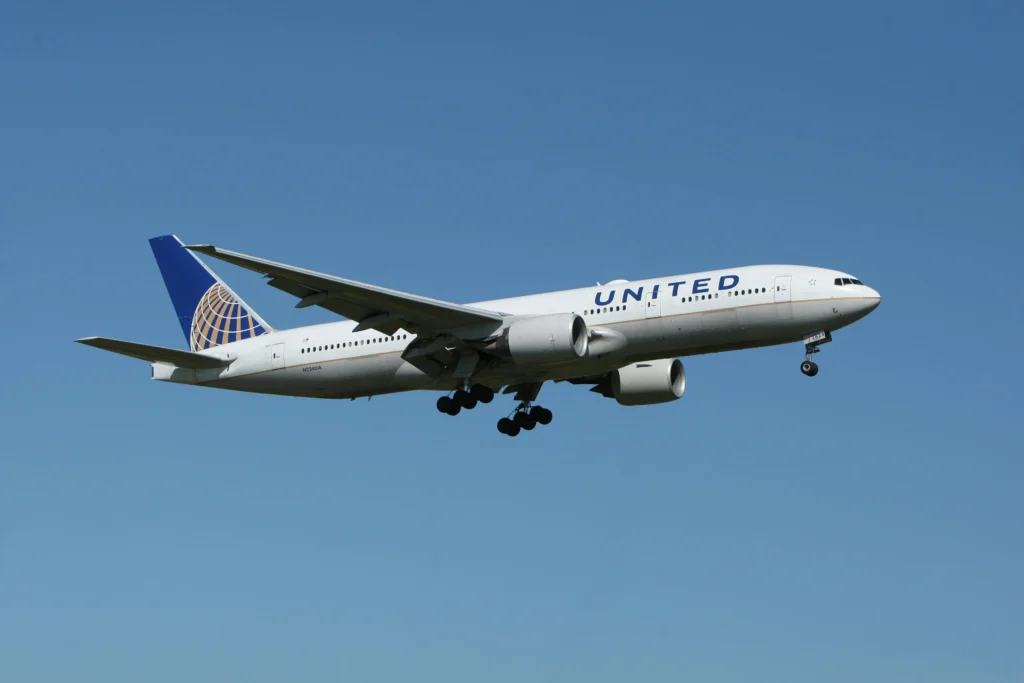
The primary operational catalyst for the Coastliner initiative is the systematic retirement of the aging Boeing 757-200 fleet. The carrier has historically relied on approximately 40 of these legacy narrowbody aircraft to service its highly competitive transcontinental routes linking Newark Liberty International Airport with Los Angeles International Airport and San Francisco International Airport.
Official fleet lifecycle metrics indicate that the remaining aircraft of this older type average nearly three decades of service. While these jets have long been respected for their operational flexibility, maintaining older narrowbody airframes is increasingly costly and prone to unscheduled maintenance.
By replacing these aging workhorses with the advanced Airbus A321neo, the airline achieves major sustainability and operational benchmarks outlined in its public environmental, social, and governance reports. The next-generation Airbus aircraft delivers a 20% reduction in fuel consumption and carbon emissions per seat, alongside a 50% lower noise footprint compared to previous-generation aircraft. This operational modernization directly protects regional schedules from unexpected cancellations, mitigates terminal-side baggage delays, and improves overall punctuality across major domestic hubs.
Ensuring Product Consistency for High-Yield Travelers
In past operational cycles, premium transcontinental flights faced product inconsistency due to mixed aircraft scheduling. Frequent business travelers paying for top-tier tickets occasionally experienced varying cabin standards depending on whether a domestic widebody or an older narrowbody was assigned to their specific flight.
The Coastliner subfleet solves this issue by establishing an absolute baseline of consistency. Every dedicated A321LF aircraft features the exact same interior layout, onboard amenities, and seating options. This predictability is central to retaining highly lucrative corporate contracts and frequent flyer loyalty, ensuring that premium travelers receive a uniform, predictable experience on every single flight.
Enhanced Cabin Amenities and Premium Lounge Access
The strategic overhaul extends far beyond the physical lie-flat seats. To fully close the gap between domestic regional transit and international long-haul luxury, the carrier is granting transcontinental business class passengers access to its exclusive Polaris Lounges. Historically reserved strictly for long-haul international itineraries, extending access to premium domestic flyers brings high-end ground hospitality, private dining spaces, and quiet suites to coast-to-coast passengers.
The onboard technological framework has also been completely redesigned to meet modern digital demands:
Advanced Display Technology: Each private Polaris suite features individual 4K OLED entertainment screens, providing crisp visuals for in-flight media.
Seamless Connectivity: Integrated Bluetooth capabilities allow travelers to pair personal wireless headphones directly with the seatback architecture.
Ergonomic Design: Developed through years of intensive cabin research, the upgraded suites provide maximized elbow and shoulder room, alongside dedicated storage compartments and universal power charging points.
Strategic Market Positioning and Airline Economics
According to statements from the carrier’s chief commercial officers, this fleet strategy aligns with a broader post-pandemic macroeconomic shift where premium cabins generate disproportionately high profit margins. By the time the full order of 43 A321neo variants and 12 larger A321-10 models are fully integrated into the network through 2030, the airline projects it will offer an industry-leading volume of premium lie-flat seating on core competitive corridors.
This aggressive product rollout comes at a time when other major domestic carriers are actively reassessing or scaling back their dedicated transcontinental configurations. By doubling down on dedicated luxury narrowbody jets, the airline is positioning itself to capture market share from regional competitors, setting a new benchmark for North American domestic aviation. For the modern traveler, this ensures that the five-hour journey across the continent matches the seamless luxury of a transatlantic flight.
For more travel news like this, keep reading Global Travel Wire