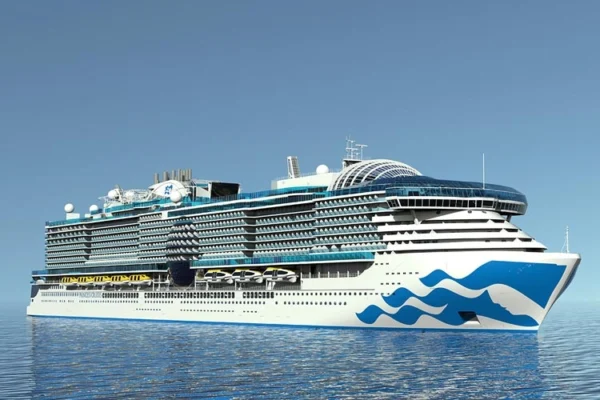
Europe’s cruise industry is experiencing one of its strongest years on record in 2026 as Greece, France, Germany, Italy, Spain, Ireland, Sweden, Croatia, and the United Kingdom emerge as major cruise tourism hotspots amid soaring passenger demand, expanded itineraries, and year-round maritime operations. The rapid growth is transforming both Mediterranean and Northern European cruise sectors, positioning the continent as one of the world’s most competitive cruise destinations.
Passenger traffic across European cruise ports has now surpassed pre-pandemic levels, fueled by rising interest in multi-country voyages, luxury sailings, family-focused itineraries, and longer immersive travel experiences. Cruise lines are increasing vessel deployments throughout Europe while ports invest heavily in upgraded terminals, sustainable operations, and advanced scheduling systems to accommodate historic visitor volumes.
The boom is also delivering major economic gains for coastal cities and tourism regions through increased spending on hotels, restaurants, transportation, shore excursions, and retail businesses.
Greece Leads Mediterranean Cruise Expansion
Greece continues to strengthen its role as one of Europe’s fastest-growing cruise markets in 2026. Major ports including Piraeus, Santorini, and Corfu are witnessing significant increases in ship arrivals and passenger movements as international cruise operators expand island-hopping routes across the Aegean and Ionian Seas.
The country’s combination of historic attractions, coastal scenery, culinary tourism, and cultural heritage continues to attract travelers from Europe, North America, and Asia. Year-round cruise scheduling has also become more common, helping Greece extend tourism activity beyond the traditional summer season.
Greek port authorities have responded by improving docking capacity, streamlining passenger handling, and enhancing traveler experiences through upgraded infrastructure and transport connectivity.
Italy and Spain Maintain Dominance in European Cruise Tourism
Italy remains one of Europe’s largest cruise tourism powerhouses, supported by globally recognized embarkation hubs such as Civitavecchia, Naples, and Venice. Italian cruise routes continue to attract strong international demand thanks to diverse itineraries that combine coastal leisure, historical tourism, and luxury experiences.
Port modernization projects and smart port technology have improved operational efficiency while allowing Italian destinations to handle larger passenger volumes during peak travel periods.
Meanwhile, Spain continues to post robust cruise growth through ports including Barcelona, Valencia, and Palma de Mallorca. Strong demand for Mediterranean voyages and Western European sailings has encouraged cruise operators to expand schedules and introduce additional departures throughout the year.
Spain’s cruise appeal is driven by its warm climate, beach tourism, urban attractions, and easy air connectivity, making it a preferred gateway for international travelers beginning European cruise holidays.
France, Germany and Sweden Expand Northern European Voyages
France is seeing growing momentum in both Mediterranean and Atlantic cruise markets. Ports such as Marseille, Nice, and Le Havre are welcoming increasing numbers of cruise ships operating multi-destination European itineraries. France is particularly benefiting from rising demand for luxury cruises and culturally focused travel experiences.
Germany remains one of Europe’s most influential cruise markets, both as a source of passengers and a major port destination. Hamburg, Kiel, and Rostock are handling strong Northern European cruise activity, especially for Baltic Sea, Scandinavian, and North Sea itineraries.
German travelers continue to represent a substantial share of European cruise passengers, prompting operators to expand vessel capacity and improve onboard offerings tailored to multi-generational travelers and younger demographics.
Sweden is also recording historic passenger growth as Baltic Sea voyages gain popularity among international tourists. Stockholm and Gothenburg are emerging as key cruise hubs connecting Northern and Eastern Europe. Swedish ports are prioritizing sustainable operations, cleaner maritime practices, and efficient logistics systems to manage growing ship traffic.
Ireland, Croatia and the UK Gain Strategic Importance
Ireland’s cruise tourism sector is reaching new milestones in 2026 as Dublin and Cork welcome increased ship calls and expanded itineraries. Improved visitor facilities and growing demand for Atlantic coastal experiences are helping Ireland strengthen its presence within the European cruise network.
Croatia is becoming increasingly attractive for luxury and boutique cruise operators seeking alternative Adriatic destinations beyond traditional Mediterranean routes. Dubrovnik, Split, and Rijeka are seeing higher passenger arrivals as travelers search for less crowded destinations rich in culture, heritage, and coastal scenery.
The United Kingdom also continues to play a central role in Europe’s cruise economy. Southampton, Dover, and Liverpool remain major homeports supporting both Northern European and Mediterranean sailings. British travelers are contributing significantly to rising cruise demand, particularly for longer international voyages and premium travel experiences.
Cruise Boom Delivers Major Economic Impact
Europe’s cruise tourism surge is generating billions in tourism revenue while supporting employment across hospitality, transportation, maritime services, entertainment, and retail industries. Ports are investing heavily in terminal expansion, smart docking systems, sustainable fuel infrastructure, and improved passenger services to maintain long-term growth.
The industry’s demographic profile is also evolving rapidly. Cruises are increasingly attracting younger travelers, families with children, and multi-generational groups in addition to traditional retirees. This broader appeal is helping destinations maintain stronger tourism activity throughout the year rather than relying solely on seasonal demand.
Several key trends are driving Europe’s cruise success in 2026, including expanded itineraries, renewed consumer confidence, environmentally focused operations, and growing demand for convenient multi-destination travel experiences.
As passenger numbers continue climbing and cruise operators expand their European presence, the continent is entering a new era of maritime tourism growth. Greece, Italy, Spain, France, Germany, Ireland, Sweden, Croatia, and the United Kingdom are now at the center of a rapidly evolving cruise industry that is reshaping tourism economies across Europe while reinforcing the region’s position as a global leader in international cruise travel.
For more travel news like this, keep reading Global Travel Wire