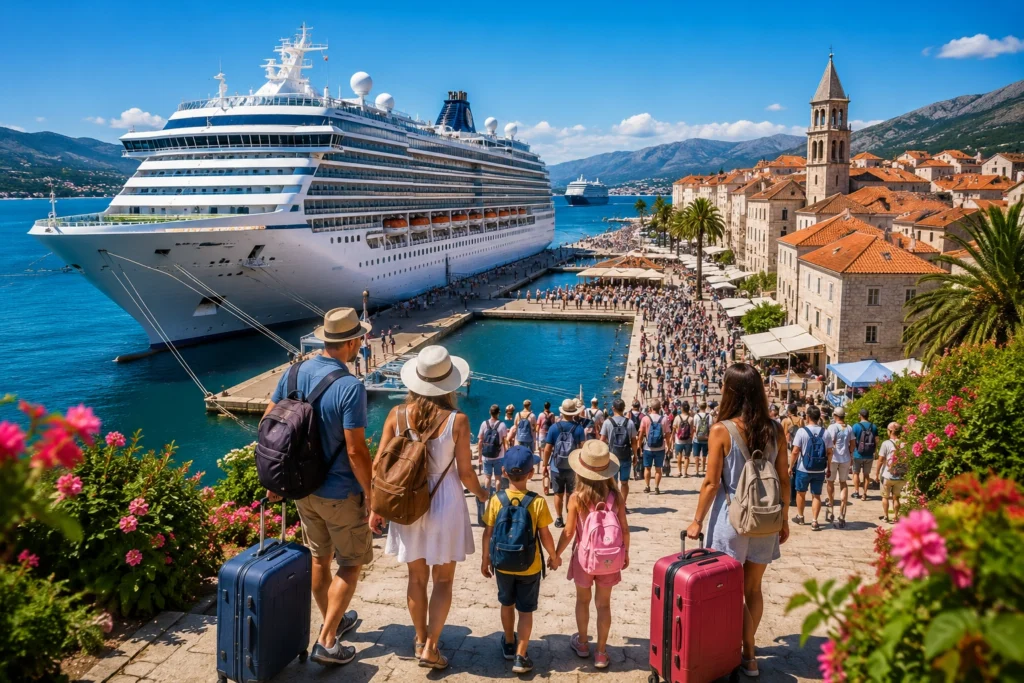
Europe’s cruise tourism industry is witnessing a spectacular resurgence in 2026 as Germany joins the United Kingdom, France, Italy, Greece, Spain, and other countries driving record-breaking passenger growth across the continent. Cruise ports are overflowing with travelers while families, young adventurers, and multi-generational tourists increasingly embrace maritime vacations as one of the most convenient and immersive ways to explore Europe.
Passenger numbers have now surpassed pre-pandemic levels across both Mediterranean and Northern European cruise routes. The recovery is transforming Europe into one of the world’s strongest cruise markets while generating billions in tourism revenue for coastal cities, hospitality businesses, transport providers, and local attractions.
Industry leaders attribute the boom to stronger traveler confidence, expanded itineraries, modernized ports, digital innovations, and rising demand for multi-destination vacations that combine leisure, culture, and convenience in one seamless experience.
Italy Continues Leading Europe’s Cruise Market
Italy remains the undisputed leader of European cruise tourism in 2026, with major ports such as Civitavecchia, Venice, and Naples handling some of the continent’s highest passenger volumes. Italian ports continue attracting travelers from around the world thanks to their strategic Mediterranean location, world-famous cultural attractions, and efficient embarkation infrastructure.
Cruise lines are increasing deployments across Italy as demand rises for Mediterranean itineraries connecting Spain, Greece, France, Croatia, and other regional destinations. Travelers are particularly drawn to Italy’s blend of historic cities, coastal scenery, culinary experiences, and luxury tourism offerings.
Infrastructure improvements and advanced scheduling systems are also helping Italian ports manage rising passenger traffic while maintaining smoother operations and reduced congestion.
Spain Strengthens Its Position as a Cruise Tourism Powerhouse
Spain continues posting impressive cruise growth through key ports including Barcelona, Valencia, and Palma de Mallorca. The country’s Mediterranean climate, strong international air connectivity, and globally recognized tourism appeal make it one of Europe’s most important cruise hubs.
Barcelona remains among Europe’s busiest cruise ports, welcoming travelers embarking on both short regional sailings and extended international voyages. Cruise operators are expanding year-round schedules in Spain as passenger demand continues climbing beyond traditional summer travel periods.
Spanish destinations are benefiting economically from rising cruise activity as visitors spend heavily on accommodation, dining, excursions, transportation, and retail experiences before and after voyages.
Germany Drives Northern European Cruise Expansion
Germany has solidified its role as one of Europe’s most influential cruise markets, both as a major passenger source and an important port destination. Hamburg, Kiel, and Rostock-Warnemünde are handling strong growth in Baltic Sea, Scandinavian, and North Sea itineraries.
German travelers are increasingly choosing cruises that combine relaxation with cultural exploration and nature-focused experiences. Northern European sailings featuring fjords, Arctic landscapes, and historic Baltic capitals are becoming especially popular among younger travelers and families.
Germany’s modern cruise terminals, efficient rail connectivity, and advanced maritime infrastructure continue attracting international operators seeking high-capacity embarkation ports with strong operational reliability.
Cruise companies are also introducing larger ships and more diversified itineraries to meet growing German demand.
Greece and France Record Strong Passenger Gains
Greece is experiencing one of the fastest-growing cruise expansions in Europe as ports in Athens, Santorini, Corfu, and Crete record rising passenger arrivals. Demand for Greek island itineraries continues surging among travelers seeking culturally immersive journeys, scenic coastal experiences, and historic attractions.
Greek authorities are investing heavily in port upgrades and sustainable tourism initiatives to support long-term cruise growth while improving traveler experiences across key island destinations.
France is also seeing steady increases in cruise arrivals through ports such as Marseille, Nice, and Le Havre. French cruise tourism benefits from a combination of Mediterranean and Atlantic itineraries, attracting both luxury travelers and family-oriented cruise passengers.
The country’s culinary reputation, cultural tourism appeal, and strategic location continue strengthening its position within Europe’s expanding cruise network.
United Kingdom and Northern Europe Support Industry Growth
The United Kingdom remains a central player in Europe’s cruise economy as Southampton, Dover, and Liverpool continue operating as major homeports for international voyages. British travelers are increasingly selecting cruises for convenience, flexibility, and value, particularly for family holidays and multi-country European trips.
Northern European destinations including Norway, Sweden, Denmark, and the Netherlands are also contributing significantly to passenger growth. Scandinavian and Baltic itineraries have become increasingly attractive to travelers seeking cooler climate experiences, scenic landscapes, and adventure-focused vacations.
Cruise operators are responding by launching more expedition-style voyages, themed sailings, and premium travel experiences designed for younger demographics and repeat travelers.
Economic Benefits Reach Coastal Communities Across Europe
The cruise tourism revival is generating enormous economic benefits throughout Europe. Passenger spending supports hotels, restaurants, retail businesses, excursion providers, transportation services, and entertainment venues across major port cities and smaller coastal communities alike.
Employment opportunities linked to cruise tourism are also rising across hospitality, logistics, maritime operations, and tourism management sectors. Port authorities continue investing in terminal expansions, sustainability initiatives, and advanced technology systems to accommodate increasing demand.
Cruise lines are simultaneously introducing cleaner fuel technologies, improved waste management systems, and smarter docking operations as environmental sustainability becomes a growing priority for travelers and tourism authorities.
Younger Travelers and Families Reshape Cruise Demographics
Europe’s cruise market is evolving rapidly as younger travelers and families become increasingly important customer groups. Cruises are no longer viewed primarily as retiree vacations but are now attracting multi-generational travelers seeking convenience, entertainment, and flexible travel experiences.
Families appreciate the ability to visit multiple destinations without repeated hotel stays or airport transfers, while younger travelers are drawn to adventure itineraries, wellness-focused voyages, and culturally immersive experiences.
This demographic shift is encouraging cruise operators to redesign onboard entertainment, dining, digital services, and excursion offerings to appeal to a wider audience.
Europe’s Cruise Industry Positioned for Long-Term Growth
Europe’s cruise tourism outlook remains exceptionally strong as Germany, the UK, France, Italy, Greece, Spain, and other countries continue investing in infrastructure, sustainability, and operational efficiency. Passenger demand is expected to continue rising steadily across both Mediterranean and Northern European routes.
The combination of modern ports, diversified itineraries, strong traveler confidence, and environmentally focused innovation has firmly reestablished Europe as the world’s leading cruise destination.
As ports expand capacity and cruise operators launch new experiences tailored to evolving traveler preferences, Europe’s maritime tourism sector appears set for another decade of sustained growth and global influence.
For more travel news like this, keep reading Global Travel Wire