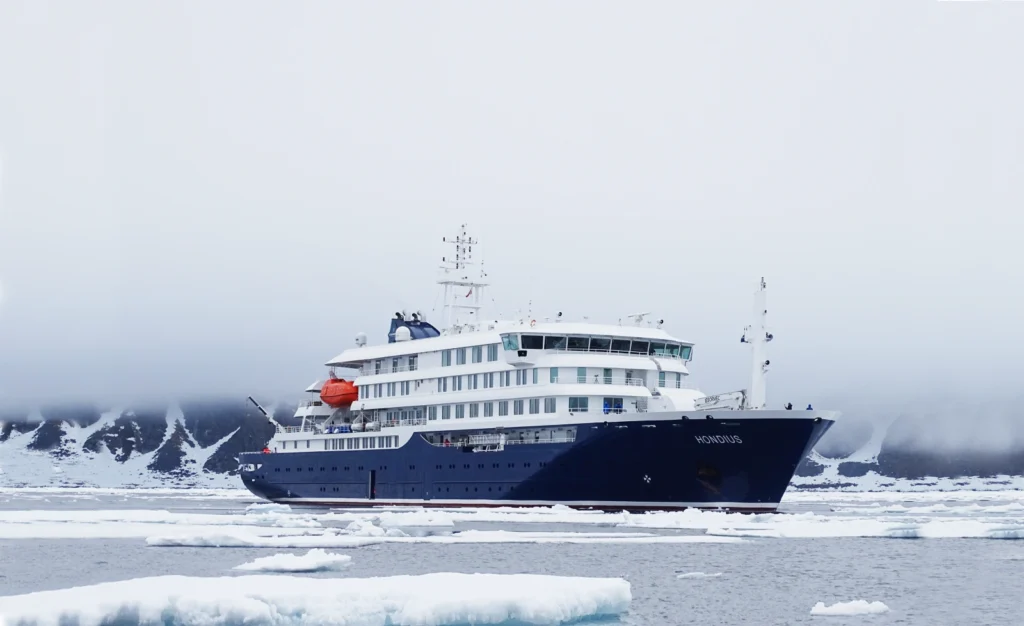
France and South America are intensifying travel health monitoring efforts after genetic sequencing linked to the MV Hondius cruise ship outbreak confirmed no evidence of a more dangerous or highly transmissible Andes virus mutation. The findings from French health authorities and laboratory researchers provide cautious reassurance for global travelers and the international cruise sector following one of the most closely watched expedition cruise health investigations in recent years.
The Pasteur Institute in France completed full genomic sequencing after a French passenger returning from the expedition voyage tested positive and required treatment in Paris. Researchers concluded that the virus detected aboard the vessel matched previously documented Andes virus strains circulating in South America and showed no alarming mutations associated with increased severity or faster transmission.
The scientific results arrive as the outbreak linked to the cruise vessel reached 11 known cases, including nine laboratory-confirmed infections and three deaths, prompting cross-border health coordination and heightened scrutiny of remote expedition tourism.
While authorities continue monitoring the situation closely, public health agencies emphasize that the broader risk to travelers remains low.
France’s Laboratory Findings Shift Focus Away From Mutation Fears
The latest sequencing analysis significantly changes the tone of the international response surrounding the MV Hondius outbreak. Researchers found that viral samples connected to infected passengers were genetically consistent with known Andes virus lineages already documented across South America.
According to laboratory findings, the virus demonstrated approximately 97 percent similarity to previously identified strains associated with rodent populations in the region. Experts indicated that the remaining genetic differences reflected normal viral evolution rather than signs of a biologically altered strain capable of spreading more aggressively.
This distinction is critically important for the travel industry because Andes virus occupies a unique position among hantaviruses. Unlike most hantavirus strains, which primarily spread through environmental exposure to contaminated rodent material, Andes virus is recognized as the only hantavirus capable of limited person-to-person transmission under specific circumstances.
French authorities stressed that the investigation did not identify evidence suggesting the emergence of a new travel-related viral threat.
How an Expedition Cruise Triggered International Health Coordination
The MV Hondius outbreak has become a major example of how modern expedition tourism can rapidly intersect with international disease surveillance systems.
The vessel had departed from Argentina for a remote expedition-style cruise through isolated regions of the South Atlantic before infections began emerging among passengers. Investigators believe the earliest exposure likely occurred during land excursions in South America where the virus naturally circulates through rodent reservoirs.
As travelers returned home, multiple countries launched coordinated testing, monitoring, contact tracing, and quarantine procedures. Health agencies worked across borders to identify potentially exposed passengers and manage laboratory investigations tied to the voyage.
The outbreak drew global attention because expedition cruises increasingly operate in remote environments where travelers interact more closely with natural ecosystems, wildlife habitats, and less-developed tourism infrastructure.
The incident also highlighted how rapidly health concerns can spread internationally through modern cruise travel networks connecting passengers from multiple countries.
Cruise Industry Faces New Pressure on Health Preparedness
The Andes virus investigation is intensifying discussions across the cruise industry about preparedness standards for remote and expedition-style voyages.
Expedition cruising has grown rapidly in recent years as travelers seek unique experiences involving polar regions, isolated islands, wildlife encounters, and adventure tourism. However, health experts note that remote destinations can present different medical and environmental risks compared to conventional cruise itineraries.
Cruise operators are increasingly expected to strengthen onboard health protocols, emergency response planning, passenger communication systems, and cooperation with international health authorities.
Industry analysts say travelers are becoming more aware of destination-specific health risks following recent global public health events. Expedition operators may now face greater pressure to provide clearer guidance regarding wildlife exposure, remote medical access, and post-travel symptom monitoring.
At the same time, advances in genomic sequencing and disease surveillance technology are helping authorities respond more quickly and transparently to emerging health concerns involving international tourism.
Travelers Urged to Prioritize Destination Health Awareness
Health officials continue emphasizing that travelers should remain informed rather than alarmed. Experts note that the broader public risk associated with the MV Hondius event remains limited, particularly because Andes virus infections remain relatively rare.
However, the investigation underscores the growing importance of destination-specific travel health awareness, especially for tourists visiting remote wilderness regions or participating in expedition tourism activities.
Currently, there is no widely approved vaccine or dedicated antiviral treatment for Andes virus. Medical care primarily focuses on supportive treatment and rapid recognition of symptoms, making early medical attention critically important.
Travelers visiting remote areas of South America are being encouraged to review official health guidance, minimize wildlife exposure risks, and monitor symptoms carefully after returning home.
Modern Tourism and Global Health Surveillance Become Increasingly Connected
The MV Hondius investigation reflects how closely international tourism and global public health systems are now linked. Modern cruise travel allows travelers to access remote destinations more easily than ever before, but it also increases the need for sophisticated monitoring, rapid laboratory analysis, and international coordination.
France’s sequencing findings may ultimately help calm fears surrounding the outbreak by confirming that the virus involved was not a dangerous new mutation. Instead, the event is increasingly being viewed as a reminder of the importance of preparedness, rapid scientific response, and transparent communication within the global tourism industry.
For cruise travelers, the message remains balanced: remote adventure tourism continues growing in popularity, and while rare health incidents can occur, advances in science, surveillance, and international cooperation are helping strengthen travel safety and resilience worldwide.
For more travel news like this, keep reading Global Travel Wire