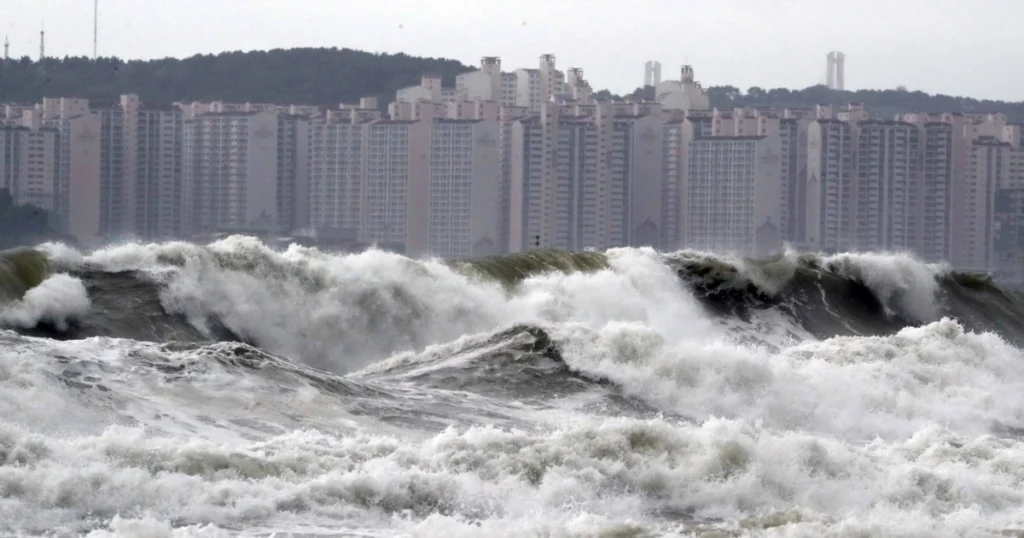
South Korea is preparing for a major multi-day severe weather event as torrential rainfall and fierce winds threaten to disrupt travel, tourism, transportation, and daily life across Seoul, Jeju Island, and several other regions nationwide. The Korea Meteorological Administration has issued official warnings for widespread heavy rain and strong coastal winds expected to intensify through the end of the week, placing pressure on airports, ferry operations, public transportation systems, and tourism infrastructure.
The severe weather arrives during a busy domestic and international travel period, with heavy passenger movement between Seoul’s metropolitan region and Jeju Island’s popular coastal resorts and tourism districts. Authorities warn that persistent rain bands and strong gusts may trigger temporary flooding, transport delays, dangerous sea conditions, and disruptions to outdoor tourism activities.
Government agencies, airport operators, and regional authorities are now preparing emergency response measures as travelers brace for worsening conditions.
Jeju Island Expected to Face the Earliest and Strongest Impact
Jeju Island is forecast to experience some of the first and most intense effects of the incoming weather system as heavy rain and strong winds move into southern coastal areas before spreading inland.
The Korea Meteorological Administration predicts sustained rainfall and powerful wind gusts capable of disrupting ferry operations, coastal tourism, and maritime activity surrounding the island. Jeju’s exposure to open sea conditions makes the destination particularly vulnerable to rough waves, coastal flooding, and transport interruptions during severe weather periods.
Tourism operators on the island are closely monitoring updates as visitors continue arriving for spring and early summer travel. Outdoor attractions, scenic coastal roads, hiking trails, and beachfront areas may face temporary restrictions if conditions deteriorate further.
Travel experts warn that ferry schedules connecting Jeju with mainland South Korea could face cancellations or delays due to elevated wave heights and unsafe sailing conditions.
Seoul Braces for Heavy Rainfall and Urban Travel Disruption
As the storm system advances northward, Seoul and surrounding areas in Gyeonggi Province are expected to receive prolonged heavy rainfall capable of affecting daily commuting, tourism activities, and airport operations.
Meteorological forecasts indicate precipitation levels ranging from 30 to 100 millimeters across central regions, with localized downpours potentially exceeding official heavy rain warning thresholds within short periods.
In Seoul, intense rainfall often creates rapid urban flooding, overloaded drainage systems, reduced road visibility, and severe traffic congestion. Popular tourist areas, pedestrian districts, and outdoor attractions could become difficult to access as rain intensifies.
Public transportation systems including buses, subways, and intercity rail services may also face delays during peak rainfall periods as authorities prioritize safety and operational adjustments.
Travelers visiting Seoul are being advised to prepare for sudden weather shifts and monitor official advisories regularly.
Airports and Flights Across South Korea Face Potential Delays
South Korea’s major airports could experience operational disruptions as the severe weather system strengthens across the country.
Flights operating through Incheon International Airport and Gimpo International Airport near Seoul may encounter delays, schedule adjustments, or temporary disruptions caused by heavy rain, low visibility, and crosswinds.
Airlines operating domestic routes to and from Jeju Island are also expected to closely monitor conditions due to the island’s exposure to strong coastal winds and rapidly changing weather patterns.
Aviation experts note that even moderate operational changes at Seoul-area airports can create wider scheduling impacts across regional airline networks due to high passenger volumes and tightly coordinated domestic operations.
Travelers are being encouraged to confirm flight schedules before heading to airports and remain flexible as conditions evolve throughout the week.
Ferry Services and Coastal Tourism Under Pressure
Maritime travel is expected to face particularly severe challenges during the weather event.
The Korea Meteorological Administration has warned that sustained winds and gusts in southern coastal regions may exceed advisory thresholds, creating hazardous conditions for ferries, fishing vessels, and smaller boats operating around Jeju and the southern mainland.
Ferry routes linking Jeju Island with mainland ports remain especially vulnerable during periods of rough seas and elevated wave activity.
Authorities may impose temporary closures on certain coastal zones, observation decks, hiking trails, and marine tourism attractions if safety conditions worsen.
Tour operators are also reviewing contingency plans as heavy rain threatens to impact outdoor sightseeing experiences and coastal recreation activities.
Government Agencies Activate Emergency Preparedness Measures
The severe weather alerts have triggered coordinated response efforts from local governments, emergency management agencies, transportation authorities, and tourism officials across South Korea.
Municipal authorities in Seoul, Jeju, and other affected regions are monitoring rainfall levels, flood risks, and landslide-prone areas while preparing emergency traffic management and public safety systems.
The Korea Meteorological Administration continues updating forecasts using radar systems, satellite monitoring, and advanced weather prediction models to provide real-time guidance to residents and travelers.
Emergency advisories emphasize the importance of avoiding flood-prone roads, remaining cautious near rivers and coastal zones, and limiting unnecessary travel during periods of intense rainfall or strong winds.
Travelers Urged to Prepare for Multi-Day Weather Disruption
The latest forecasts suggest the weather system will remain active for several days, increasing the likelihood of prolonged travel disruptions and tourism impacts across South Korea.
Travelers heading to Seoul, Jeju, and other central or southern destinations are being advised to adjust itineraries, prioritize indoor attractions, and maintain flexible schedules where possible.
Hotels, airlines, ferry operators, and tourism businesses are expected to continue monitoring conditions closely as authorities issue updated advisories throughout the week.
The severe weather event also serves as an early indication of South Korea’s approaching seasonal monsoon transition, which typically brings heavier rainfall and increased storm activity during the summer months.
For now, officials continue urging caution as Seoul, Jeju, and much of South Korea prepare for what could become one of the most disruptive weather systems of the current travel season.
For more travel news like this, keep reading Global Travel Wire