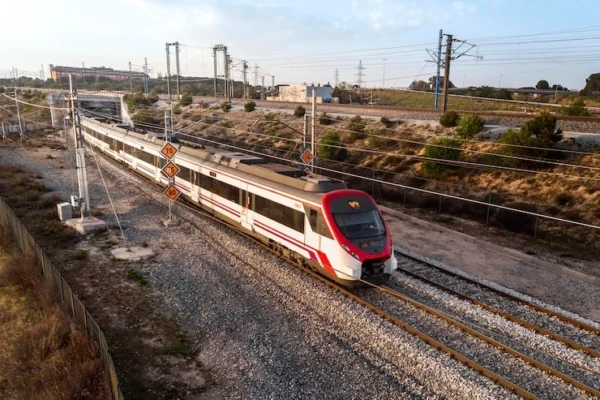
The European Commission has unveiled an ambitious plan that could fundamentally reshape how passengers travel across Europe by train. Through its proposed “One Journey One Ticket Full Rights” initiative, the European Union aims to create a unified booking system allowing travelers to purchase a single ticket covering entire cross-border rail journeys, even when multiple train operators are involved.
The proposal represents one of the most significant attempts in decades to modernize Europe’s fragmented international rail network. By simplifying bookings, strengthening passenger protections, and supporting climate-focused transportation policies, the initiative could pave the way for a new generation of seamless and sustainable rail tourism across the continent.
If implemented, travelers could eventually move between major European cities with the same convenience currently associated with airline travel, while benefiting from significantly lower carbon emissions and improved journey reliability.
Europe Targets Simpler Cross-Border Rail Travel
Despite Europe operating one of the world’s largest railway systems, booking international train journeys has often remained unexpectedly complex. Different countries and rail operators continue using separate reservation platforms, ticketing structures, and customer service systems, forcing many travelers to purchase multiple tickets for a single journey.
The fragmented system has created ongoing challenges for passengers navigating routes between European capitals and regional destinations. Travelers frequently encounter difficulties comparing schedules, understanding fare conditions, and coordinating connections between operators.
The European Commission’s proposal seeks to eliminate those barriers through a unified framework that integrates multiple rail services into one streamlined booking experience.
Under the initiative, passengers would gain the ability to search, compare, and purchase complete cross-border itineraries through a single transaction regardless of how many operators participate in the journey.
Stronger Passenger Rights Become Central Feature
A major focus of the proposal involves improving passenger protections across international rail travel.
Currently, travelers using separately booked tickets often face significant risks if delays cause missed connections. In many cases, rail operators are not obligated to assist passengers whose journeys involve independent reservations across different systems.
The One Journey One Ticket framework would change that structure by extending legal protections across the entire trip under one contractual arrangement.
Passengers affected by delays or disruptions could become eligible for rerouting assistance, compensation, reimbursements, and alternative travel arrangements regardless of which operator caused the disruption.
Consumer advocates believe these protections could dramatically improve traveler confidence in international rail journeys while encouraging greater use of trains for long-distance travel across Europe.
Sustainable Mobility Goals Drive Rail Expansion
The initiative also forms part of the European Union’s wider climate and sustainability agenda.
Rail transport produces substantially lower emissions than short-haul aviation and long-distance car travel, making it one of the most environmentally efficient transportation methods available. European policymakers increasingly view rail as a cornerstone of the continent’s long-term strategy to reduce transport-related greenhouse gas emissions.
The European Green Deal and broader climate neutrality objectives for 2050 have intensified efforts to strengthen sustainable mobility infrastructure throughout member states.
By simplifying international train travel, the European Commission hopes more travelers will choose rail instead of flights on heavily trafficked regional routes.
Environmental organizations and sustainable transport groups have welcomed the proposal, arguing that easier rail access could significantly reduce emissions while supporting greener tourism across Europe.
Emissions Transparency Could Influence Traveler Decisions
Another important component of the initiative involves improving transparency around transport emissions during the booking process.
Under the proposed framework, travelers may eventually see carbon emissions data displayed alongside ticket information, allowing passengers to compare the environmental impact of different transportation options.
Transport analysts believe this could become an influential tool as climate awareness increasingly shapes consumer travel behavior, particularly among younger travelers and environmentally conscious tourists.
The inclusion of emissions data may also help strengthen rail’s competitive position against short-haul flights by highlighting the environmental advantages of train travel.
Railway Operators Face Pressure to Integrate Systems
Although the proposal has received strong support from consumer and environmental groups, resistance has emerged from several major railway operators concerned about mandatory data sharing requirements.
The European Commission wants rail companies and booking platforms to provide standardized access to schedules, fares, and operational data in order to create a seamless international booking ecosystem.
Some operators, however, fear losing direct customer relationships and competitive advantages tied to their own digital platforms and loyalty programs.
Industry concerns also include cybersecurity risks, technological integration costs, and the complexity of connecting multiple national systems into one interoperable framework.
Nevertheless, transport experts argue that deeper integration will eventually become necessary if European rail networks hope to compete effectively with the convenience and simplicity of airline booking systems.
Rail Tourism Could Enter a New Growth Era
Tourism leaders believe the initiative could dramatically reshape European travel patterns if successfully implemented.
Simplified booking procedures and stronger passenger rights could encourage more visitors to explore Europe through rail-based itineraries linking cultural capitals, scenic regions, and emerging destinations.
Cross-border routes connecting cities such as Paris, Berlin, Vienna, Amsterdam, Milan, Zurich, and Brussels may become increasingly attractive to travelers seeking low-stress, sustainable alternatives to flying.
Regional tourism economies could also benefit as easier train access encourages visitors to travel beyond traditional gateway cities and explore lesser-known destinations connected through Europe’s expanding rail infrastructure.
Legislative Process Now Moves Forward
The proposal must still undergo negotiations involving the European Parliament and the Council of the European Union before implementation can begin.
Transport ministers and lawmakers are expected to debate operational requirements, transition timelines, consumer protections, and integration standards over the coming years.
While the process may take time, transport analysts believe parts of the reform could begin rolling out before 2029 as digital modernization accelerates across European rail systems.
If approved, the One Journey One Ticket initiative could mark the beginning of a new era where international rail travel across Europe becomes more connected, more sustainable, and dramatically easier for millions of travelers.
For more travel news like this, keep reading Global Travel Wire