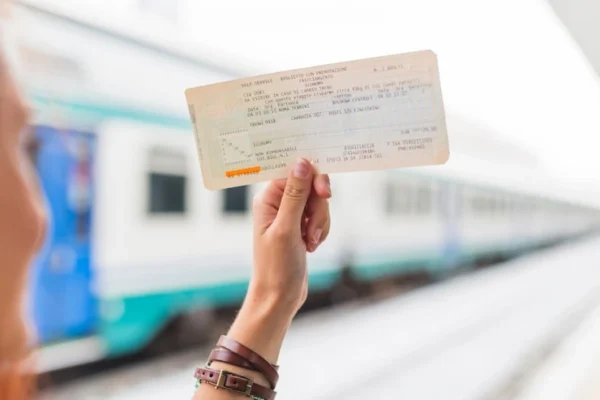
The European Commission has unveiled a sweeping proposal to simplify rail travel across the continent through a unified booking system that would allow passengers to purchase cross-border train journeys under a single ticket. The initiative, branded “One Journey, One Ticket, Full Rights,” is designed to remove one of the biggest frustrations facing European rail travellers: fragmented booking systems across multiple rail operators.
The proposed reform would initially strengthen major international corridors including France–Germany before eventually expanding across the wider European Union rail network. If approved, travellers could soon book journeys such as Paris to Berlin, Lyon to Munich, or Amsterdam to Brussels through one streamlined transaction while benefiting from full passenger protections across every stage of the trip.
The initiative signals a major shift in Europe’s transportation strategy as the EU pushes to strengthen sustainable mobility, improve tourism connectivity, and encourage travellers to choose rail over short-haul flights.
Europe Moves Toward Seamless Cross-Border Rail Travel
At present, international rail travel across Europe remains fragmented despite the continent’s extensive train infrastructure. Passengers frequently need to purchase separate tickets from multiple rail companies when crossing borders, creating confusion, inconsistent pricing, and limited protection if delays disrupt connections.
Under the European Commission’s proposal, rail operators and booking platforms would be required to integrate services into a unified digital ecosystem where passengers can compare routes, fares, and schedules in one place.
The goal is to create a simpler and more transparent booking experience across Europe’s international rail corridors while reducing barriers that discourage travellers from choosing trains for long-distance journeys.
Tourism officials and transport planners believe easier booking systems could significantly boost rail tourism demand between Europe’s major capitals and regional destinations.
Full Passenger Rights Become Central to New System
One of the most important aspects of the proposal is the introduction of comprehensive passenger protections covering entire journeys under a single booking.
Currently, travellers using separate tickets can face major disruptions if delays cause missed connections between operators. In many cases, passengers are forced to purchase new tickets without compensation because carriers are not obligated to assist travellers holding independently booked segments.
The new framework would change that structure completely by ensuring passengers are protected throughout their entire trip regardless of how many rail operators are involved.
Under the proposed rules, travellers would gain access to assistance, rerouting options, reimbursements, and compensation if disruptions occur during any part of the journey.
Transport experts believe stronger protections could improve confidence in international rail travel and encourage more visitors to consider trains for complex cross-border itineraries.
France–Germany Corridor Positioned at the Heart of Reform
France and Germany are expected to play a major role in the initiative because the corridor represents one of Europe’s busiest and most strategically important international travel markets.
Routes connecting Paris, Frankfurt, Munich, Berlin, and other major cities already attract strong passenger demand from tourists, business travellers, and international visitors. However, inconsistent booking systems and operator fragmentation have often complicated travel planning.
A unified ticketing structure could dramatically simplify travel between the two countries while strengthening rail’s competitiveness against short-haul aviation.
The changes are also expected to improve accessibility for secondary destinations and regional tourism markets connected through larger European rail hubs.
Digital Integration Aims to Remove Booking Obstacles
To support the reform, the European Commission is pushing for stronger digital integration between operators and ticketing platforms across the continent.
The proposal includes open data-sharing standards that would allow independent booking platforms and national rail operators to display unified schedules and pricing information. This would give travellers greater flexibility when planning international journeys.
The reform builds on broader EU transportation modernization efforts, including harmonized technical standards and advanced passenger telematics systems designed to support cross-border rail operations.
Industry analysts say digital interoperability will be essential if Europe hopes to create a truly seamless international rail experience comparable to the airline industry’s booking systems.
Sustainable Tourism Strategy Gains Momentum
The single-ticket initiative also aligns closely with Europe’s climate and sustainability goals.
Rail travel produces significantly lower carbon emissions than short-haul flights, making trains one of the most environmentally efficient transportation options available for medium-distance travel across the continent.
By simplifying international rail access, EU policymakers hope to encourage more travellers to shift away from domestic and regional flights in favor of rail-based journeys.
The initiative could strengthen tourism flows along major rail corridors while encouraging visitors to explore secondary cities, cultural regions, and emerging destinations that are often overlooked by airline networks.
Destinations connected by high-speed and regional rail services may experience increased tourism spending as international train travel becomes easier and more attractive.
Rail Passenger Demand Continues Rising Across Europe
The proposal arrives at a time when European rail demand is already experiencing strong growth.
Recent EU transport data shows record levels of rail passenger activity, particularly in countries such as Germany and France where train travel remains central to domestic and international mobility.
Tourism recovery, environmental awareness, and growing demand for city-to-city connectivity have all contributed to the renewed popularity of rail journeys across Europe.
The European Commission believes simplifying cross-border ticketing could unlock even greater growth by eliminating obstacles that currently discourage passengers from planning international rail trips.
Europe’s Rail Future Could Soon Look Very Different
The single rail ticket system remains at the legislative proposal stage and must still receive approval from the European Parliament and EU Council before implementation begins.
If adopted, the reform would likely be introduced gradually as operators upgrade digital infrastructure and coordinate booking standards across member states.
However, the long-term implications could be transformational for European tourism and transportation.
By creating a seamless booking experience backed by unified passenger rights, the EU is positioning rail travel as a cornerstone of future continental mobility.
For travellers, the proposal promises a future where exploring Europe by train becomes faster, easier, more reliable, and significantly more accessible than ever before.
For more travel news like this, keep reading Global Travel Wire