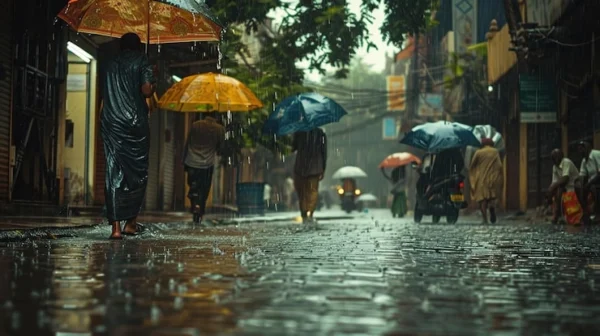
India’s rainy season is rapidly becoming an important domestic travel period as travellers exchange conventional summer holidays for mist-covered hills, flowing waterfalls, forest retreats and quieter countryside experiences.
Hotels and other accommodation providers are benefiting from stronger interest in monsoon getaways during months once considered a relatively subdued booking period. Shorter holidays, improved road connectivity and growing demand for nature-based experiences are helping tourism businesses attract guests beyond India’s traditional peak seasons.
The trend reflects a major change in travel behaviour. Instead of postponing holidays until winter, families, couples, solo visitors and groups of friends are increasingly planning weekend trips and short breaks during the southwest monsoon.
The rainy season transforms destinations across the country, bringing cooler conditions to many regions, reviving waterfalls and turning hills, forests and rural landscapes dramatically greener.
Rain Transforms India’s Tourism Landscapes
The arrival of the southwest monsoon changes the appearance of destinations across the Western Ghats, central India, the Northeast and other regions.
Dry slopes become green, rivers and lakes fill, and seasonal waterfalls emerge across forested landscapes. These conditions are attracting visitors interested in photography, wildlife, scenic drives, wellness holidays and slower forms of travel.
Destinations in Maharashtra, Kerala, Karnataka, Goa and Tamil Nadu can offer lush scenery alongside plantation stays, local cuisine, heritage experiences and nature retreats.
Other locations across Gujarat, Madhya Pradesh, Rajasthan and Northeast India also gain renewed appeal during the rains, with greener countryside, cultural activities and seasonal outdoor attractions drawing travellers away from traditional city-based holidays.
Weekend Getaways Replace Longer Seasonal Holidays
Short breaks are becoming central to the expansion of monsoon travel.
Travellers living in major cities can increasingly reach nearby hills, lakes, heritage towns and rural areas through improved highways, railway services and regional air connections. Flexible working arrangements are also making two- or three-night journeys more practical.
From Mumbai and Pune, visitors often look towards the Sahyadri region, including Lonavala, Khandala and surrounding valleys. Bengaluru provides access to hill, plantation and forest destinations across Karnataka, while travellers from Delhi can explore nearby heritage centres and selected mountain regions when weather conditions permit.
These short journeys allow people to travel more frequently rather than using their entire holiday budget on one annual vacation. Consequently, hotels can generate demand across multiple weekends and seasonal travel windows.
Hotels Diversify Their Rainy-Season Experiences
Accommodation providers are responding by creating packages that do not depend entirely on clear weather.
Wellness sessions, spa treatments, regional food menus, indoor recreation, guided heritage activities and cultural programmes help hotels maintain the guest experience when heavy rain limits outdoor plans.
Plantation stays can introduce travellers to local agriculture and cuisine, while countryside properties can organise craft workshops, village experiences and carefully managed nature walks.
Resorts near waterfalls, lakes and forest areas are also benefiting from travellers who want immersive landscapes rather than crowded sightseeing itineraries.
This broader range of activities supports year-round hospitality demand and gives smaller properties, homestays and rural tourism operators new opportunities to participate in the visitor economy.
Local Communities Gain Wider Tourism Opportunities
The rise of monsoon tourism can distribute visitor spending beyond established urban and coastal hotspots.
Guests travelling to smaller towns and villages support accommodation providers, restaurants, guides, drivers, artisans and local markets. Food trails, cultural festivals and community experiences can keep a larger share of tourism revenue within destination communities.
This shift also corresponds with growing traveller interest in authentic experiences. Many visitors now prefer regional cuisine, traditional crafts and meaningful interaction with local communities instead of rushing between famous attractions.
However, growth must be carefully managed in environmentally sensitive locations. Excessive traffic, unmanaged waste and unsafe access to waterfalls or forest areas can damage the landscapes attracting visitors.
Travellers are therefore encouraged to minimise plastic waste, respect local customs, avoid littering and follow instructions issued by local administrations.
Weather Monitoring Remains Essential
Monsoon travel requires greater preparation than a conventional dry-season holiday.
Heavy rainfall can produce waterlogging, temporary road closures, transport delays and localised flooding. Mountain and hill destinations may also face landslide risks, while rivers and waterfalls can become dangerous with little warning.
Travellers should consult official weather forecasts, state disaster-management updates and local government advisories before departure and throughout their trip.
Plans should remain flexible, particularly when visiting mountainous or coastal locations. Travellers should avoid restricted areas, never cross flooded roads and follow official guidance concerning trekking routes, beaches, rivers and waterfalls.
Monsoon Travel Supports Year-Round Indian Tourism
The expansion of rainy-season travel represents an important opportunity for India’s hospitality industry.
Stronger monsoon bookings can reduce dependence on a limited number of peak holiday periods while supporting employment and business activity throughout more of the year. Destinations can also develop wellness, cultural, culinary and nature-based products that appeal despite changing weather.
India’s monsoon tourism trend shows that rainfall is no longer viewed only as a travel obstacle. For a growing number of visitors, it is becoming the main attraction.
With responsible planning, reliable weather information and sustainable destination management, rain-soaked escapes could become a lasting pillar of domestic tourism while bringing new economic opportunities to hotels and local communities across India.
For more travel news like this, keep reading Global Travel Wire