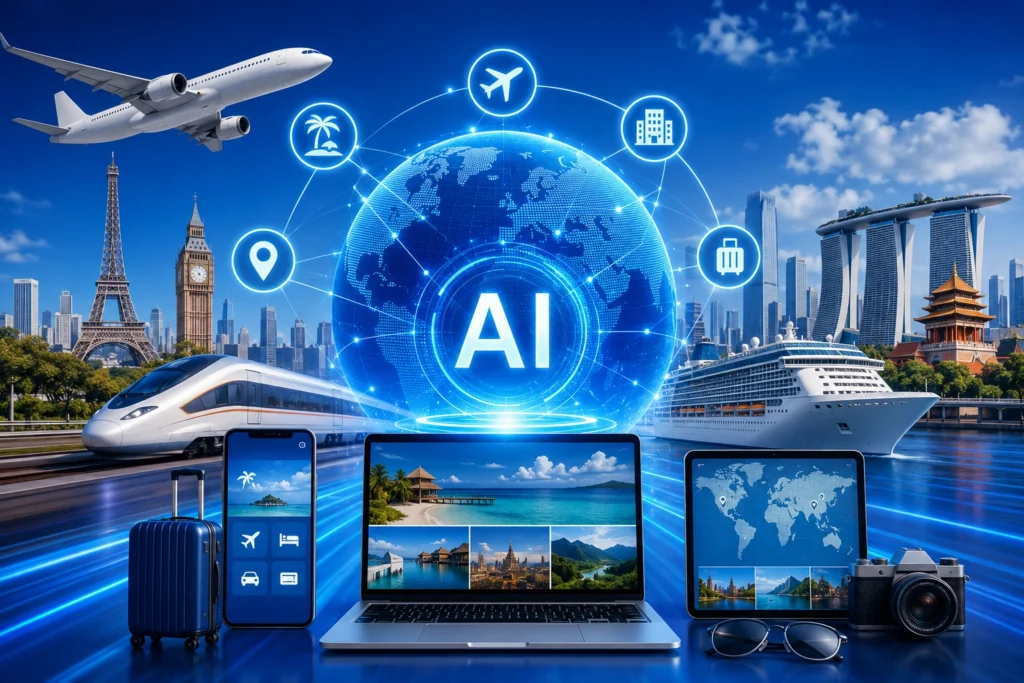
Trip.com Group has unveiled a major AI-powered tourism strategy aimed at shaping the next stage of global travel growth, with new technology, partnerships and destination initiatives announced during its Envision 2026 Global Partner Conference in Shanghai.
The company said the travel sector is entering a new expansion cycle driven by stronger international demand, smarter digital services and deeper cooperation between travel companies, tourism boards, airlines, hotels and destination partners. The event brought together thousands of industry guests from dozens of countries and regions, underlining the scale of international interest in the future of tourism.
Trip.com Group’s message was clear: the next phase of travel will be more intelligent, more personalised and more collaborative. As travelers return to international journeys in greater numbers, the company is positioning artificial intelligence as a central tool for improving discovery, booking, service, marketing and destination development.
AI Becomes a Core Travel Growth Engine
Artificial intelligence was one of the strongest themes of the conference. Trip.com Group highlighted how AI can support both travelers and industry partners by making travel planning faster, more relevant and more efficient.
For tourists, AI can help recommend hotels, build itineraries, compare flights, improve customer service and simplify the booking journey. For businesses, AI can support market intelligence, travel approvals, airline insights, accommodation recommendations and creator matching for destination marketing campaigns.
This shift is important because travelers increasingly expect services that understand their needs quickly. A family planning a holiday, a business traveler managing approvals, or a tourist searching for local experiences all want faster answers and better choices. AI allows travel platforms to respond with more personalised options while reducing friction across the journey.
Trip.com Group’s technology focus also reflects wider competition in global tourism. As online travel companies race to improve digital experiences, AI is becoming a strategic advantage rather than a side feature.
Global Tourism Enters a New Expansion Phase
Trip.com Group said international tourism is moving into a new growth era as demand strengthens across Asia, Europe and the Americas. The company pointed to rising traveler confidence, stronger cross-border mobility and growing appetite for premium and immersive experiences.
The group reported strong growth across its international operations, including higher booking volumes and outbound hotel and flight bookings that have moved beyond pre-pandemic benchmarks. This momentum supports the view that global travel is not simply recovering but entering a more competitive and experience-driven phase.
For tourism destinations, this creates new opportunities. Cities, islands, heritage sites, resorts and emerging markets can use digital platforms and partnerships to reach wider audiences. For airlines and hotels, stronger demand can support capacity growth, premium products and new route development.
Partnerships Shape the Next Tourism Ecosystem
Partnerships were another major focus at Envision 2026. Trip.com Group announced new collaborations designed to improve destination visibility, payment experiences and regional tourism growth.
The company highlighted work with tourism and financial partners, including collaborations connected to the Asia-Pacific region. These partnerships show how the tourism industry is increasingly built around shared ecosystems rather than isolated services.
Tourism boards need digital reach. Airlines need distribution strength. Hotels need smarter demand tools. Financial partners need seamless payment experiences. Travelers need convenience, trust and value. By linking these priorities, partnerships can help destinations attract visitors while improving the customer journey.
For local economies, these agreements can be especially valuable. More effective digital promotion can support hotels, restaurants, attractions, transport providers, tour operators and small businesses that depend on visitor spending.
China Travel Gains Stronger International Focus
China was also a major focus of Trip.com Group’s tourism vision. The company highlighted growing international interest in China and services designed to make inbound travel easier for overseas visitors.
Trip.com Group pointed to its Free City Tours programme, which has welcomed international travelers from more than 100 countries and regions. It also highlighted airport service hubs and multilingual visitor support designed to help foreign guests navigate China more comfortably.
This matters as China seeks to strengthen inbound tourism through culture, heritage, food, landscapes, shopping, modern cities and improved travel services. Easier arrival support and better digital guidance can help visitors feel more confident exploring beyond major gateways.
For travelers, these services can turn a stopover or first visit into a fuller experience. For China’s tourism economy, they can encourage longer stays, wider regional exploration and greater visitor spending.
Innovation Funding Supports New Travel Experiences
Trip.com Group also used the conference to highlight tourism innovation funding and awards. The company recognized projects across areas such as museums, theme parks, architecture, resorts, events and shows.
This focus reflects a broader trend in tourism. Travelers are no longer looking only for transportation and accommodation. They want memorable experiences, immersive attractions, cultural access, entertainment, wellness and local discovery.
By supporting innovation in attractions and destination experiences, Trip.com Group is helping shape the supply side of future tourism. Better experiences can encourage longer stays, higher spending and stronger repeat visitation.
Sustainable and Inclusive Growth Remains a Priority
The company also framed its strategy around long-term value for the wider travel ecosystem. That includes supporting partners, communities and destinations as tourism grows.
This is increasingly important because popular destinations must balance visitor demand with sustainability, infrastructure capacity and local benefits. AI and data can help by improving demand forecasting, spreading visitors across more destinations and supporting smarter promotion of emerging travel areas.
For tourism boards, this can help reduce pressure on overcrowded hotspots while giving smaller destinations a chance to attract new markets.
A Smarter Future for Global Travel
Trip.com Group’s Envision 2026 announcements show how quickly tourism is becoming more digital, more connected and more experience-led.
The company’s AI-powered roadmap focuses on simplifying travel for customers while giving partners stronger tools to understand demand, market destinations and improve services. With international travel demand rising, these initiatives could influence how travelers discover destinations, book trips and experience the world.
For the global tourism industry, the message is clear. The next wave of growth will not depend only on more flights, hotels and attractions. It will depend on smarter technology, stronger partnerships and seamless travel experiences that help visitors move from inspiration to booking to arrival with greater confidence.
For more travel news like this, keep reading Global Travel Wire