Sri Lanka free ETA access has officially begun for nationals of 40 countries, giving eligible tourists a fee-free 30-day Electronic Travel Authorization and positioning the island as a more affordable and competitive destination in South Asia.
The new policy took effect on 25 May 2026 and removes the standard ETA processing fee for selected countries while keeping the requirement for travelers to obtain an Electronic Travel Authorization before arrival. The move is expected to reduce upfront travel costs, simplify holiday planning and encourage more international visitors to choose Sri Lanka for beach holidays, wildlife safaris, cultural tours, wellness retreats and nature-based travel.
The fee waiver applies to travelers from a broad range of markets across Europe, Asia, the Middle East, Oceania and North America. The policy also strengthens Sri Lanka’s position at a time when destinations across Asia are competing aggressively for international arrivals.
Forty Countries Gain Fee-Free Tourist ETA
Under the new scheme, citizens of 40 countries can obtain a free 30-day tourist ETA for Sri Lanka. The eligible list includes major source markets such as India, China, the United Kingdom, the United States, Canada, Germany, France, Italy, Japan, South Korea, Australia, New Zealand, the UAE, Saudi Arabia and several other countries.
The free ETA applies to eligible travelers holding ordinary and other nominated passport categories under the scheme. The authorization permits a 30-day single-entry stay from the date of initial arrival in Sri Lanka.
Travelers still need to complete the ETA process through the official system before travel. The change removes the fee, not the entry procedure itself. This distinction matters for visitors, airlines and travel agents because passengers must still ensure their authorization is approved before departure.
Policy Targets Stronger Visitor Demand
The free ETA scheme is designed to make Sri Lanka more attractive to global travelers by reducing one of the common friction points in trip planning: entry cost.
For families, the savings can be especially meaningful. Visa or ETA fees multiplied across four or five travelers can influence destination choice. By removing that cost for eligible markets, Sri Lanka can appeal more strongly to families, budget travelers, regional tourists and repeat visitors.
The policy may also support spontaneous travel. Tourists comparing last-minute beach holidays or cultural itineraries may be more likely to select a destination with a simpler and cheaper entry process.
For Sri Lanka’s tourism industry, the expected benefits extend across hotels, airlines, guesthouses, tour operators, restaurants, transport providers, attractions and local communities.
Beaches and Coastal Tourism Stand to Benefit
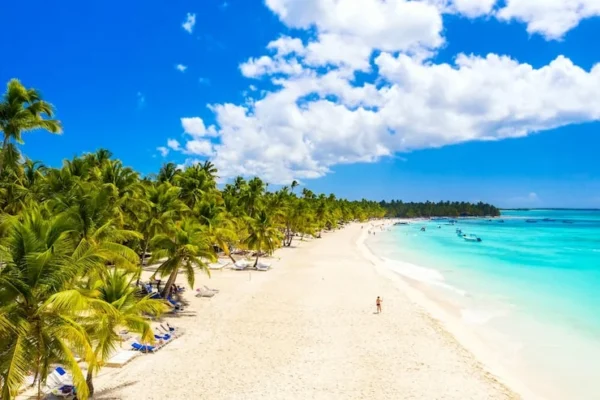
Sri Lanka’s coastline remains one of its strongest tourism assets. The island offers around 1,300 kilometers of coastline, with beach destinations ranging from established resort towns to quieter stretches of sand.
The free ETA could support stronger arrivals to coastal areas such as Negombo, Bentota, Hikkaduwa, Mirissa, Unawatuna, Trincomalee and Arugam Bay. These destinations attract visitors for surfing, snorkeling, diving, whale watching, beach stays, seafood, wellness and relaxed coastal holidays.
Arugam Bay remains a major draw for surfers, while Mirissa and the southern coast are closely associated with marine tourism and whale-watching experiences. Hikkaduwa continues to attract travelers interested in reefs, beach culture and water activities.
Lower entry costs can make these destinations more competitive for travelers choosing between Sri Lanka and other beach markets in Asia.
Wildlife Tourism Gains Fresh Momentum
Sri Lanka’s wildlife tourism sector could also benefit from the fee-free ETA. The country is known for national parks, elephant viewing, birdlife, leopards and safari experiences within relatively short travel distances.
Yala National Park remains one of the country’s best-known safari destinations, while Udawalawe is popular for elephant viewing. Other protected areas support nature tourism, photography, guided safaris and conservation-linked travel.
For international visitors, Sri Lanka’s appeal lies in the ability to combine beaches, wildlife and culture in one itinerary. A traveler can move from a coastal resort to a national park and then onward to a heritage site within a single holiday.
The free ETA strengthens this value proposition by reducing the cost of entry and making multi-experience travel easier to sell.
Cultural Heritage Adds Global Appeal
Sri Lanka’s cultural heritage is another major pillar of its tourism identity. The island is home to ancient cities, Buddhist monuments, temples, colonial architecture and UNESCO-recognized sites.
Sigiriya remains one of the country’s most iconic attractions, known for its dramatic rock fortress, ancient frescoes and historic landscape design. Anuradhapura and Polonnaruwa offer deep insight into ancient kingdoms, stupas, reservoirs and stone architecture.
Kandy, Galle and the wider cultural triangle also continue to draw visitors seeking history, religion, architecture and local traditions. The free ETA can help increase access to these heritage destinations by encouraging more short-stay and first-time visitors.
Hill Country and Tea Tourism Receive a Boost
Sri Lanka’s central highlands offer a cooler contrast to the coast. Tea estates, mountain rail journeys, waterfalls, colonial-era towns and hiking routes are increasingly important for travelers seeking slower, scenic and wellness-focused experiences.
Destinations such as Nuwara Eliya, Ella and Haputale have become popular with international visitors. The Pekoe Trail, a long-distance walking route through tea country and rural landscapes, adds another reason for adventure travelers to explore inland Sri Lanka.
By lowering entry costs, the new ETA policy could support demand for longer itineraries that move beyond beach resorts into rural and highland regions.
A Competitive Move for South Asia Travel
Sri Lanka’s free ETA scheme arrives at a critical time for regional tourism competition. Travelers are comparing destinations not only by attractions and hotels but also by entry rules, flight access, costs and ease of planning.
A fee-free ETA gives Sri Lanka a stronger marketing message. It signals that the country wants to welcome more visitors and make travel easier for key international markets.
For airlines, simplified entry can help stimulate demand on routes to Colombo and other gateways. For hotels and tour operators, it creates a clearer selling point ahead of peak travel periods.
Sri Lanka Positions Itself for Tourism Growth
The new free ETA policy marks a practical step toward strengthening Sri Lanka’s tourism recovery and long-term competitiveness. By removing fees for travelers from 40 countries while keeping digital authorization in place, the country is balancing border management with visitor-friendly reform.
For tourists, the benefit is clear: lower entry costs and a simpler start to the journey. For Sri Lanka, the opportunity is wider tourism growth across beaches, wildlife parks, heritage cities, hill country and local communities.
As global travelers look for value, authenticity and easier access, Sri Lanka’s free ETA could become one of the strongest tools in attracting the next wave of international visitors.
For more travel news like this, keep reading Global Travel Wire