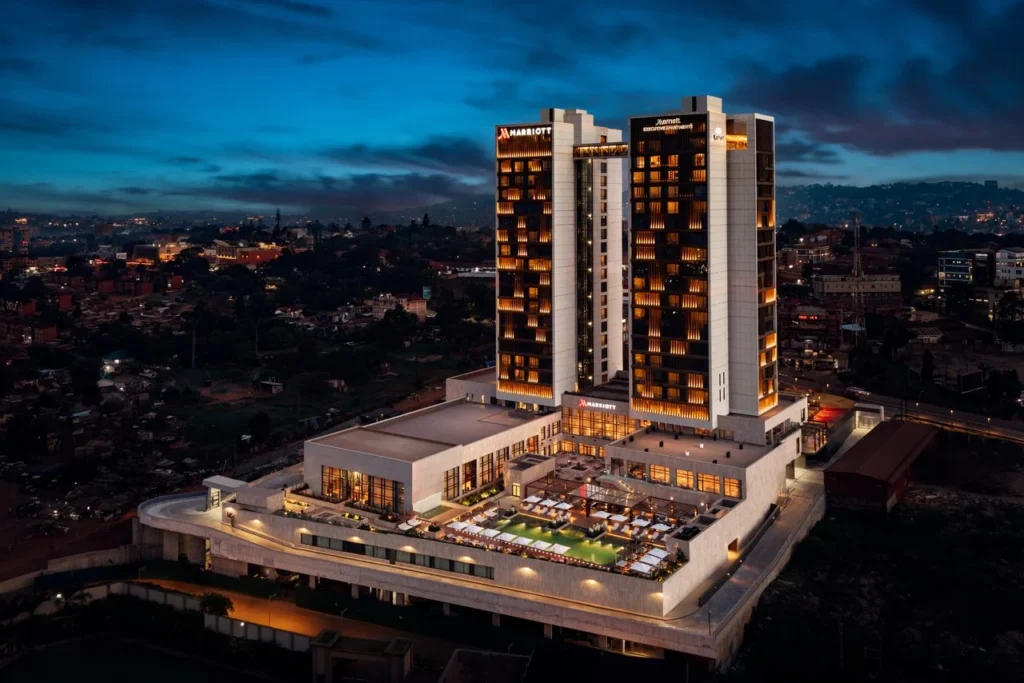
A profound paradigm shift is sweeping through the international lodging industry as accommodation providers invest significantly in advanced digital systems. Emerging at the absolute forefront of this technological evolution, the African hospitality sector has transitioned from an early adopter to a definitive global pioneer. Verified sector metrics indicate that continental lodging networks maintain an artificial intelligence integration rate of 57 percent, substantially pacing past the worldwide industrial benchmark of 35 percent.
This aggressive modernization marks the conclusion of speculative tech experimentation. Contemporary hoteliers are moving beyond conceptual applications, systematically focusing capital allocations on procurement-ready solutions that deliver immediate operational relief and clear returns on investment. This behavioral evolution is structurally reshaping procurement priorities across the continent, with asset owners prioritizing operational efficiency, scalable security infrastructure, and high-performance utility management.
Mitigating Rising Overhead and Human Capital Pressures Through Smart Automation
The rapid deployment of integrated infrastructure addresses intense macroeconomic pressures, including persistent global inflation, escalating utility tariffs, and significant talent shortages. Official infrastructure registers highlight that energy management alone demands approximately 25 percent of a lodging property’s total operational budget in Southern Africa. Concurrently, up to 77 percent of local hoteliers cite recruitment and human capital deficits as primary systemic barriers to sustaining profitable operational margins.
In response, advanced technological suites have transitioned from luxury assets to essential operational tools. High-performance environmental control systems utilize machine learning models to continuously adjust climate zones based on real-time room occupancy, reducing total energy consumption by 10 to 15 percent while preserving a 95 percent customer comfort rating. Similarly, the integration of advanced property management software eliminates systemic administrative duplications, automates internal housekeeping workflows, and protects reservation lines against expensive overbooking errors.
The Ultimate Gateway for Regional Trade Sourcing
To facilitate direct connections between international technology innovators and regional property decision-makers, the annual Hotel & Hospitality Expo Africa will convene at the Cape Town International Convention Centre (CTICC). Running alongside the Africa Food Show, the multi-layered trade environment mirrors the deep structural ties linking modern property operations with specialized foodservice supply networks.
The dedicated hospitality technology and security pavilion serves as a vital procurement nexus. Elite commercial suppliers are scheduled to demonstrate highly secure, procurement-ready assets that address urgent profitability and data-protection mandates. Key focus areas across the specialized exhibition hall include:
Automated Building Controls: Showcasing centralized building management processors that track water usage, identify structural maintenance needs before failures occur, and regulate high-capacity lighting arrays.
Radio-Frequency Identification (RFID) Tracking: Demonstrating seamless contact-free guest access cards, automated linen and inventory tracking solutions, and localized security zone management.
Integrated Communication Networks: Displaying centralized guest relations systems that handle customer service requests automatically via artificial intelligence platforms without adding pressure on front-of-house personnel.
Bridging Strategic Theory and Bottom-Line Operational Execution
The trade summit features an extensive series of high-level Leadership Workshops designed to provide property managers, procurement heads, and developers with actionable operational foresight. These administrative panels are carefully structured to address the complex challenge of balancing strict environmental sustainability regulations with corporate profitability mandates, utilizing advanced digital automation to maximize team throughput, and designing modern guest interactions that emphasize security and comfort.
This focus on converting high-level strategy into tangible bottom-line value matches the real-world deployment needs of major regional portfolios. Industry leaders confirm that tech implementation has decisively moved from a optional upgrade to a mandatory survival investment. The current operating environment requires tools that can automate heavy back-of-house workflows, optimize input costs across kitchen operations, and comprehensively secure sensitive passenger data against sophisticated global cyber threats.
Securing Long-Term Resiliency Across the Continental Sector
By bringing together more than 5,000 certified hospitality professionals, institutional buyers, and property developers from across the continent, the specialized trade gathering underscores the massive scale of the African hospitality tech transition. The integration of advanced kitchen systems allows food and beverage divisions to handle fluctuating food input costs while maintaining quality standards with leaner teams.
As the continental travel industry continues to expand, this systemic deployment of procurement-ready automation secures the long-term viability of the regional ecosystem. By anchoring future growth on predictive data hubs, robust contactless access systems, and intelligent resource management, African hoteliers are successfully insulated against external resource shocks, setting a highly resilient, technologically advanced standard for global premium hospitality.
For more travel news like this, keep reading Global Travel Wire