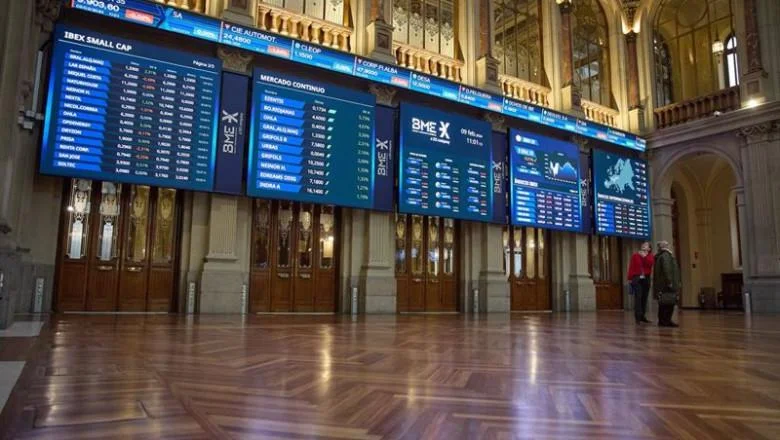
Equity trading for Meliá Hotels International (ES0176252718) remained characterized by a measured, stable narrative on the Bolsa de Madrid. Listed under the ticker symbol MEL, the prominent Spanish hotel operator is acting as an industry bellwether while financial markets, institutional analysts, and domestic retail investors carefully evaluate early booking volumes and macroeconomic indicators ahead of the peak Mediterranean vacation period.
The wait-and-see posture observed across the trading floor matches a broader, data-driven optimization cycle across the nation’s travel infrastructure. Rather than reacting to sudden volatility, capital markets are consolidating after recent quarterly balance sheet updates. They are focusing instead on underlying structural indicators, including commercial airline capacities, shifting consumer confidence indices across the Eurozone, and official destination management policies.
Unprecedented International Demand Underpins Hospitality Confidence
The underlying economic environment supporting Spanish resort and urban property networks remains historically robust. Official statistical data published by the National Statistics Institute (INE) via the Tourist Movement on Borders Survey (FRONTUR) confirms that international visitor traffic into Spain continues an upward expansion. For the most recent quantified monthly cycle, Spain welcomed 6.8 million international arrivals, representing a clear 3.3% increase compared to the corresponding period from the prior year.
Furthermore, cumulative government data tracking the initial months of the calendar year indicates an overall 2.5% increase in total arrivals. This persistent demand builds directly upon the historic performance observed during the previous full fiscal year, where official ministerial statements confirmed a record-shattering 97 million international arrivals, contributing a massive €135 billion in direct inbound visitor spending to the domestic economy.
Strategic Pivot Toward Desti-Seasonal Value and Luxury Demographics
While volume metrics remain strong, the strategic focus of the Ministry of Industry and Tourism has evolved. In official policy updates presented during ministerial briefings to the Council of Ministers, Tourism Minister Jordi Hereu clarified that the nation’s long-term administrative target is not merely chasing numerical volume milestones, but actively enhancing the added-value profile, geographical distribution, and seasonal balance of the sector.
Official public sector data highlights a pronounced, structural shift toward travel during non-traditional shoulder seasons. Spending metrics compiled via the Total Expenditure Survey (EGATUR) demonstrate that visitor spending during low and mid-season periods has scaled dramatically, displaying a 53% surge when measured against pre-pandemic baselines. This evolution directly benefits large-scale institutional lodging operators by stabilizing corporate cash flows, maximizing labor force utilization, and sustaining high revenue per available room (RevPAR) figures outside of the concentrated July and August corridors.
Concurrently, official administrative directives are prioritizing high-yield sub-sectors, specifically luxury operations and senior “silver tourism.” Regional deployment patterns show premium hotel development concentrating heavily in urban hubs like Madrid, alongside established coastal enclaves across Andalusia and the Balearic Islands. To solidify this shift, the government recently introduced targeted initiatives, including a €15 million state subsidy framework dedicated to advancing energy efficiency upgrades across corporate hotels, camp facilities, and independent hospitality structures.
Analytical Ownership Framework and Regulatory Disclosures
From a corporate governance perspective, the structural stability of Meliá Hotels International on the home exchange is heavily supported by its fundamental ownership architecture. Official public filings registered under the oversight of the National Securities Market Commission (CNMV) show a balanced combination of substantial, long-term anchor family holdings operating alongside a highly liquid institutional and retail free float.
This specific capital distribution provides the necessary daily liquidity to support active market trading on the Bolsa de Madrid while simultaneously insulating the corporation from short-term speculative volatility. Because core management stakes remain closely aligned with the long-term strategic execution of the brand, market analysts look to this structure as an indicator of corporate stability during broader macroeconomic shifts.
Regulatory Adjustments and Market Normalization
The hospitality investment landscape is also adjusting to updated regional regulatory frameworks. In an effort to balance residential housing access with sustainable economic development, municipal authorities across major markets—including Madrid, Barcelona, Malaga, and Palma de Mallorca—are maintaining rigid restrictions and moratoriums regarding short-term vacation rental licenses.
According to tourism board summaries, these strict compliance enforcement measures are structurally redirecting high-density accommodation demand back toward established, regulated corporate hotel properties. This legislative shift provides a distinct competitive advantage to fully compliant, brand-name operators who manage traditional hospitality real estate.
As the industry enters the high-volume summer cycle, public data indicates that international tourist satisfaction metrics remain highly favorable, with nearly 70% of surveyed arrivals indicating prime satisfaction levels and an explicit intent to return. Backed by stable corporate structures, rising per-capita daily tourist spending—which recently escalated by 4.8% to an average of €198 per day—and proactive state infrastructure investments, the Spanish hospitality sector remains well-positioned to navigate the normalization of post-pandemic travel trends, preserving its status as a primary economic engine for the Western Mediterranean.
For more travel news like this, keep reading Global Travel Wire