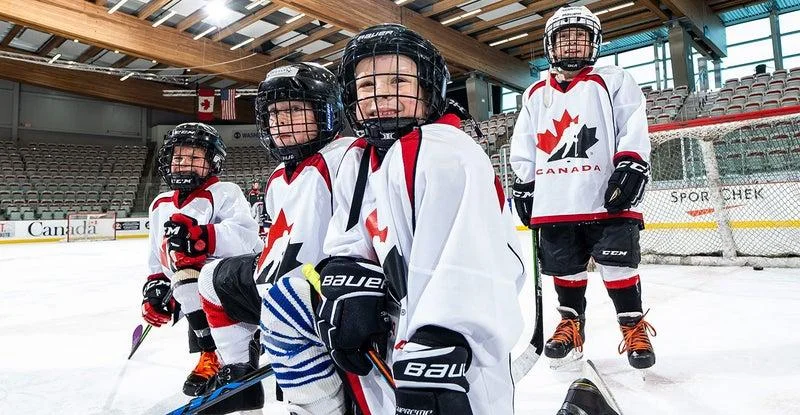
The community fields and athletic facilities of Canada are undergoing a profound operational transformation. Driven by systemic financial strain, shifting national demographics, and updated governance frameworks, the sports ecosystem is moving beyond simple post-pandemic recovery into a period of structural realignment. Recent data highlighted by academic and industry specialists indicates that grassroots sport is increasingly susceptible to broader macroeconomic factors, such as inflation, changing cross-border logistics, and the evolving social makeup of Canadian communities.
National data underscores that sports participation cannot be separated from societal realities. While local athletic organizations initially prioritized returning players to play following global health disruptions, ongoing monitoring shows that economic and demographic factors are creating new boundaries for families, athletes, and provincial sports governing bodies.
Financial Realities Restricting Grassroots Involvement
Affordability has emerged as a primary barrier to regular athletic involvement. Public policy analysis reveals that the total cost of youth and amateur sports extends far beyond standard registration fees. When coupled with fluctuating interest rates, rising transportation costs, and general consumer price inflation, the cumulative financial burden has made recreational sports difficult to access for a significant portion of households.
Research indicates that approximately one in three Canadian children face barriers to sports participation due to family financial constraints. Because community sports leagues rely heavily on localized registration fees to fund field rentals, liability insurance, and regulatory compliance, passing operational cost increases onto consumers threatens the baseline structure of amateur sports. Regional athletic executives emphasize that continuing to raise registration fees is an unsustainable long-term strategy for sports organizations trying to maintain stable enrollment.
Shifting Demographics and Newcomer Integration Strategies
As domestic birth rates experience ongoing adjustments, the future viability of grassroots sports programs increasingly relies on newcomer communities. Recognizing this demographic shift, prominent provincial organizations, including Ontario Soccer, have established collaborative frameworks alongside immigration and refugee support networks. These initiatives focus on publishing multi-lingual resources to explain regulatory structures, equipment guidelines, and registration pathways to recent immigrant families.
However, the international and cross-border travel landscape for youth athletics has also grown more complex. Community clubs that frequently arrange travel for competitive tournaments face updated cross-border travel guidelines, rising insurance premiums, and specific visa or citizenship requirements for athletes who are not yet Canadian citizens. Local sports managers are increasingly required to evaluate the diverse legal status of team rosters to ensure the security, fair treatment, and smooth transit of all participants during external competitions.
Systemic Safe Sport Reforms and New National Guidelines
The internal governance of Canadian sport is also undergoing legislative adjustments designed to restore public trust and protect participant well-being. Following comprehensive federal reviews, the final report of the Future of Sport in Canada Commission was officially released, delivering detailed calls to action intended to enhance safety, accountability, and equity across the sport system.
In response to these findings, the federal government is directing dedicated funding to strengthen independent complaint mechanisms, anti-racism education, and accessible sporting spaces. Under the newly implemented Canadian Sport Policy, national and provincial sports organizations are adopting modernized funding frameworks. Key changes to the federal and provincial sports landscapes include:
Independent Reporting Integration: Mandatory adoption of the Canadian Safe Sport Program (CSSP) as an explicit condition for federal and provincial funding allocations.
Streamlined Accountability Frameworks: The transition to predictable, multi-year funding structures for sport organizations that remain in strict compliance with transparency, financial audit, and governance rules.
Direct Athlete Representation: Updated structural requirements ensuring active athletes hold dedicated, voting seats on national and provincial sports organization boards.
These regulatory upgrades demonstrate a shifting focus among policymakers, moving from simple physical literacy toward viewing amateur sport as critical social infrastructure. With regional surveys indicating a decline in general youth well-being, organized athletics are increasingly prioritized as environments to build personal connections, community identity, and mental wellness.
Adapting to Technologic and Environmental Disrupted Frontiers
Beyond economic and social factors, sport administrators face emerging operational hurdles from climate variability and technological advancements. Changing weather patterns frequently disrupt seasonal field schedules, requiring community clubs to secure unexpected indoor facility access or invest in climate-resilient field materials.
Simultaneously, artificial intelligence is modifying high-performance development and administrative operations. Advanced data analytics are increasingly used to track athletic performance, manage facility logistics, and optimize club budgets, forcing amateur sports systems to adapt technically to stay competitive.
As the Canadian athletic sector navigates these complex shifts, future growth belongs to organizations that proactively eliminate structural barriers. By focusing on multi-cultural outreach, aligning with updated federal safe sport guidelines, and creating cost-effective community programs, sports leaders can build a resilient, inclusive sports framework that reflects the modern reality of Canadian communities.
For more travel news like this, keep reading Global Travel Wire