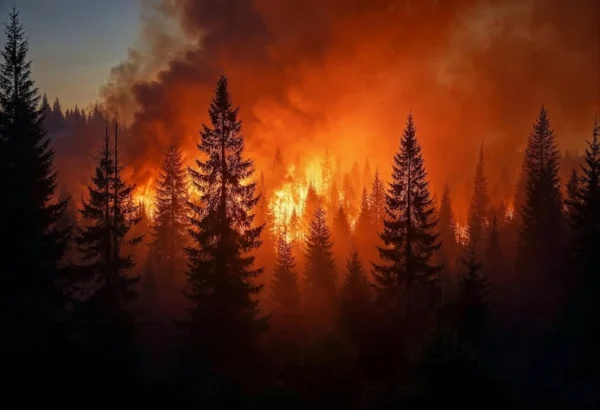
Canada wildfire warning 2026 is drawing national attention as federal officials forecast rising wildfire danger through the summer, with British Columbia expected to face the most sustained elevated risk and several other regions also being monitored for changing fire conditions.
The latest federal update reported 65 active wildfires across Canada, including six classified as out of control. Officials said the country has already seen more than 18,935 hectares burned this year, while weather forecasts point to above-normal temperatures over the coming months.
For travelers, tourism operators and local communities, the warning comes at a critical moment. Canada’s summer season supports national parks, road trips, mountain resorts, Indigenous tourism, cruise extensions, outdoor adventure, rail travel, camping and city breaks. Wildfire risk can affect not only forested areas but also air quality, highway access, park operations, hotel demand and regional visitor confidence.
British Columbia Faces the Highest Sustained Risk
British Columbia is expected to face the highest and most sustained wildfire risk during the 2026 summer season. The province is one of Canada’s most important tourism regions, attracting visitors to Vancouver, Whistler, Vancouver Island, the Rockies, wine regions, lakes, coastal communities and wilderness destinations.
Persistent precipitation deficits in western Canada remain a key concern despite recent rainfall in some areas. Federal officials have warned that temporary moisture does not remove longer-term risk when underlying dry conditions remain in place.
For tourism businesses in British Columbia, the forecast creates a need for careful planning. Hotels, lodges, tour operators, campgrounds, transport providers and outdoor attractions may need to monitor official alerts closely and prepare flexible cancellation, rerouting and communication plans.
Visitors planning road trips, hiking holidays or national park itineraries should also check official local updates before departure, especially in areas where smoke, evacuation alerts or highway restrictions could develop quickly.
Wildfire Conditions Could Shift Across Canada
Although British Columbia is identified as the region facing the most sustained threat, wildfire risk is not confined to one province. Federal forecasting points to a summer where warm and dry conditions could elevate danger in parts of northern, central and eastern Canada if weather patterns shift.
This is important because wildfire impacts can spread far beyond fire zones. Smoke can reduce air quality across large distances, affecting cities, tourism regions and transport corridors. Flights may be delayed during severe smoke events, outdoor attractions may temporarily close, and travelers may change plans if conditions become uncomfortable or unsafe.
Canada’s wildfire environment is also becoming more complex. Natural Resources Canada has stated that warmer and drier conditions can make landscapes more prone to ignition and spread, while fire seasons are lengthening in parts of the country. This means destinations must increasingly treat wildfire readiness as part of normal summer tourism planning.
Emergency Preparedness Expands Nationwide
Federal authorities are increasing wildfire preparedness through additional funding, emergency coordination and firefighting resources. One major measure is the establishment of a national aerial firefighting surge capacity, supported by leased firefighting aircraft and firefighting support assets beginning this wildfire season.
The federal government said the investment is intended to strengthen Canada’s ability to support provinces and territories when fire activity exceeds local capacity. These assets are designed to help with rapid response during intense wildfire periods and improve national coordination.
The government has also renewed programs that support emergency response personnel, public alerting systems and modernized coordination facilities. Officials are emphasizing a shift from responding after disasters occur toward stronger readiness before emergencies escalate.
Indigenous Communities Remain Highly Vulnerable
The wildfire warning also highlights the disproportionate impact of wildfires on First Nations and Indigenous communities. Many communities are located in areas exposed to recurring natural hazards, and evacuations can place severe pressure on residents, local services and cultural continuity.
Federal officials have emphasized the need for stronger support systems, emergency planning resources and recovery assistance. Programs continue to help communities prepare for, respond to and recover from wildfire emergencies, including reimbursement of eligible emergency management costs.
For Indigenous tourism operators, wildfire readiness is also important. Cultural experiences, lodges, guided tours, outdoor programs and community-based tourism depend on safe access and clear communication. Strong emergency planning helps protect both residents and visitors.
Tourism Operators Prepare for a Challenging Season
Canada’s travel sector may face a more demanding summer if wildfire activity intensifies. Outdoor tourism is especially exposed because many high-value travel experiences depend on forests, mountains, lakes, trails and scenic highways.
National parks, provincial parks, resorts, campgrounds and adventure operators may need to adjust operations if fire danger rises. Smoke can also affect urban tourism by reducing visibility, discouraging outdoor dining and limiting sightseeing.
At the same time, Canada’s tourism industry has become more experienced in managing seasonal disruption. Clear traveler communication, flexible booking policies, official alert monitoring and rapid itinerary adjustments can help reduce the impact on visitors and businesses.
Travelers should rely on official wildfire maps, weather updates, park advisories, local emergency notices and airline or rail updates when planning summer trips.
Air Quality and Transport Could Be Affected
Wildfire impacts often extend into transportation. Smoke can reduce visibility and affect air quality near airports, highways and tourism corridors. Road closures may occur if fires threaten communities or major routes. Rail and bus services can also be affected when conditions become unsafe.
For international travelers, this means flexibility matters. Visitors should consider travel insurance, refundable bookings and backup routes when planning trips in high-risk regions. Tour operators and destination marketers may also need to provide real-time guidance to maintain traveler confidence.
Canada Enters a Critical Wildfire Season
Canada wildfire warning 2026 reflects growing concern about summer fire conditions, especially in British Columbia and other regions where heat, drought and dry vegetation may increase risk.
The federal forecast does not mean every destination will be affected. However, it does signal that travelers, tourism businesses and communities should prepare for a season where conditions may change quickly.
With expanded firefighting capacity, stronger coordination and public alert systems in place, Canada is moving to improve readiness. For the tourism sector, the priority will be balancing summer travel demand with safety, resilience and clear communication as wildfire risks evolve.
For more travel news like this, keep reading Global Travel Wire