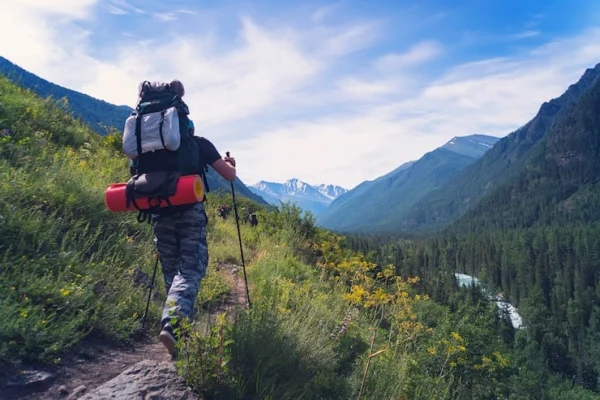
Malaysia hiking safety has moved into the national spotlight as calls grow for a full review of standard operating procedures covering hiking, trekking and hill-climbing activities across the country’s popular outdoor destinations.
The review push follows rising concern over missing hikers, injuries and fatal incidents on hills and forest trails. Safety advocates say Malaysia’s outdoor recreation rules must keep pace with growing demand from domestic travelers, international tourists and first-time hikers drawn to scenic nature spots promoted through social media and adventure travel platforms.
The proposed changes could affect how hikers enter trails, register with authorities, use guides, respond to weather warnings and receive emergency support during search and rescue operations. For Malaysia’s tourism sector, the issue is increasingly important because nature, adventure and eco-tourism remain a major part of the country’s visitor appeal.
Hiking Growth Creates New Safety Challenges
Malaysia’s hills, rainforests, waterfalls and mountain routes have become increasingly popular with weekend travelers, international visitors, wellness tourists and adventure seekers. Many trails are located within easy reach of Kuala Lumpur, Selangor, Penang, Perak, Sabah and other tourism areas, making them attractive for short trips and day excursions.
However, wider participation has brought new risks. Some travelers underestimate tropical terrain, unpredictable weather, steep paths, poor visibility and physical demands. Others enter trails without proper footwear, enough water, navigation tools or emergency contacts.
Safety advocates argue that the growing number of novice hikers has made stronger trail management essential. A destination that attracts more travelers must also offer clearer rules, better monitoring and faster emergency response.
Mandatory Registration Among Key Proposals
One of the central proposals is mandatory registration before hikers enter designated trails, hills, forests and mountain areas. This would allow authorities to know who is on a route, when they entered and when they are expected to return.
A digital check-in and check-out system has also been recommended. Under such a system, authorities could receive alerts when hikers fail to exit by a scheduled time. That would help emergency teams act faster rather than waiting for family members or friends to report someone missing.
For tourists, registration may add one extra step before starting a hike. However, it could also provide reassurance that emergency systems are monitoring trail movement and that help can be mobilized more quickly if a trip goes wrong.
Guides and High-Risk Routes Under Review
Another major recommendation focuses on stricter requirements for licensed mountain guides on challenging or high-risk routes. This could be especially important for trails with steep climbs, unclear paths, dense forest cover, river crossings or poor mobile coverage.
Guided hiking can improve safety by helping visitors understand terrain difficulty, weather risk, wildlife conditions and route timing. It also supports the local tourism economy by creating opportunities for trained guides, community-based operators and outdoor professionals.
For international travelers unfamiliar with Malaysia’s tropical landscape, guide requirements could make adventure experiences safer and more structured. For local authorities, licensed guide systems can also support accountability and better visitor management.
Trail Audits Could Improve Visitor Confidence
The proposed SOP review also includes periodic safety audits and risk assessments on popular hiking routes. These checks could identify hazards such as landslides, fallen trees, damaged walkways, slippery sections, poor signage and dangerous terrain.
Clearer directional signs, distance markers, emergency location points and warning notices are also being recommended. These improvements would benefit tourists who may not know local trail names, route conditions or emergency procedures.
Stronger signage can also reduce the risk of hikers taking wrong turns, entering restricted zones or continuing on unsafe paths during bad weather.
Technology May Transform Rescue Response
Technology is expected to play a larger role in Malaysia’s hiking safety reforms. Proposed tools include GPS tracking applications, emergency beacons, drones and mobile geolocation systems.
Drones can help search teams cover difficult terrain faster, while GPS-based alerts can narrow search areas during emergencies. Emergency markers along trails can also help hikers report their location more accurately when calling for assistance.
These tools could reduce pressure on search and rescue teams, which often include fire and rescue personnel, police, forestry officials, civil defence teams, mountain guides, volunteers and local communities.
Tourism Sector Sees Safety as a Competitive Advantage
Improved hiking SOPs could strengthen Malaysia’s reputation as a safer adventure tourism destination. Travelers increasingly consider safety, emergency access and responsible management when booking outdoor experiences.
For hotels, tour operators, eco-lodges, transport providers and local guides, better trail systems can support stronger visitor confidence. Clear safety rules may also help package hiking, wellness, rainforest, waterfall and mountain experiences for international markets.
Malaysia already promotes nature and adventure travel as part of its tourism identity. Stronger safety governance would help ensure that growth remains sustainable and responsible.
Travelers Urged to Prepare Before Hiking
While policy changes are being discussed, travelers are being urged to take personal responsibility. Hikers should check weather conditions, avoid hiking alone, carry water and food, wear suitable footwear, bring a charged phone, inform family members of their route and follow official trail rules.
Visitors should also avoid relying only on social media photos when choosing a trail. Scenic locations can still involve steep terrain, remote sections or changing weather.
Safer Trails Could Protect Malaysia’s Adventure Future
Malaysia’s hiking SOP review is not aimed at discouraging outdoor recreation. Instead, it reflects a growing need to protect travelers, rescue teams, local communities and tourism destinations as adventure travel expands.
If implemented effectively, stronger registration systems, licensed guides, trail audits, emergency markers and digital monitoring could create a safer future for hikers across Malaysia.
For tourists planning hill walks, rainforest routes or mountain treks, the message is clear: Malaysia’s natural landscapes remain a powerful draw, but safety planning must become part of every adventure itinerary.
For more travel news like this, keep reading Global Travel Wire