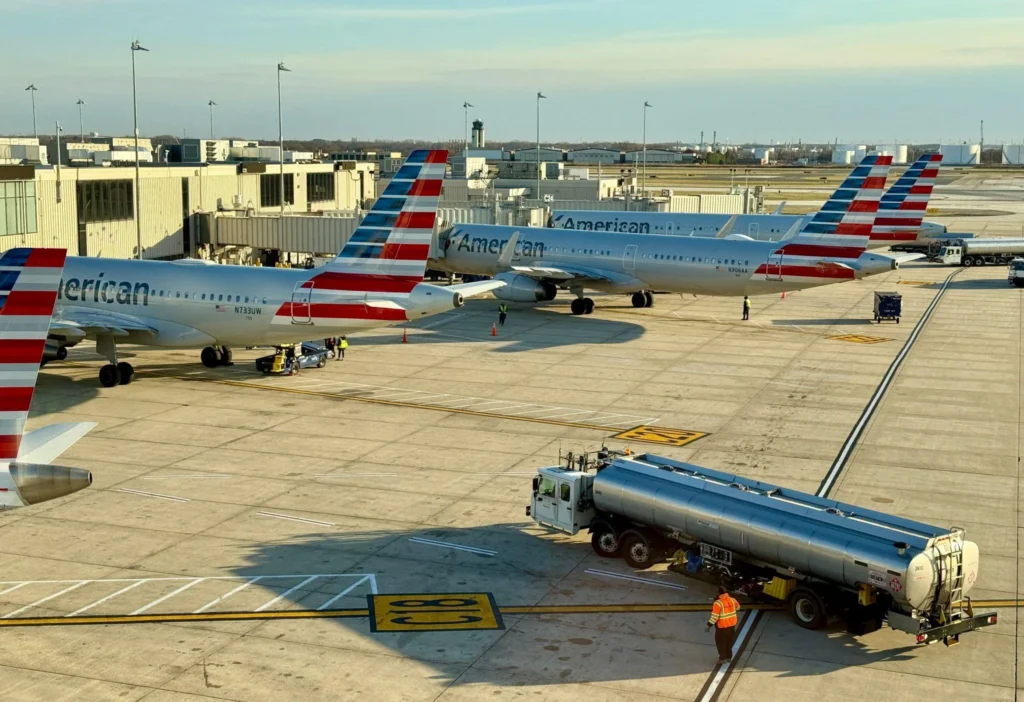
The structural alignment of the international aviation network and passenger transport sector is facing increased scrutiny as localized boarding enforcements and changing passenger demands reshape the corporate travel landscape. Terminal management protocols at major entry gateways, such as Miami International Airport, have drawn considerable attention from aviation analysts examining how customer service strategies impact traveler choices.
At the same time, newly compiled macroeconomic indicators from federal tracking agencies highlight an evolving narrative for the broader visitor economy. Official data from the National Travel and Tourism Office (NTTO) outlines changing conditions within international arrivals, prompting a thorough re-evaluation of marketing frameworks and customer-retention strategies across domestic airlines.
Operational Changes in Seating and Gate Management Rules
The intersection of carrier-specific boarding rules and customer experience became highly visible following operational adjustments implemented across domestic route networks. Southwest Airlines recently issued structural revisions to its long-standing operational guidelines regarding passenger seating. Moving into a newly deployed assigned-seating framework, the Dallas-based low-cost carrier updated its structural parameters regarding specialized cabin space requirements.
The updated guidelines encourage travelers who physically require additional room—defined by the definitive boundary of the standard armrest—to proactively secure adjacent seating when arranging their travel. Initially, corporate refund protocols for advance-purchased extra seats were tightened, creating an administrative shift that required travelers to request compensation post-travel under strict criteria, including a requirement that the flight depart with at least one empty seat.
However, following operational feedback and a push to minimize gate-time disruptions, the airline issued an immediate adjustment to its airport protocol:
Airport Agent Discretionary Powers: Terminal gate agents are officially authorized to provide an adjacent seat at the podium at no additional cost, provided that physical space remains available on the aircraft.
Full Flight Contingency Plans: On fully booked flights where adjacent seating cannot be configured, terminal agents are directed to coordinate alternate routing on later departures to accommodate travelers comfortably.
Proactive Reservation Guidance: The carrier continues to strongly recommend that passengers arrange their space allocations during the initial booking window to alleviate last-minute disruptions at busy departure hubs.
While these updates aim to foster a seamless terminal environment, the practical execution of such seating mandates underscores the challenges of balancing logistical efficiency with passenger dignity during the boarding process.
Detailed Breakdown of International Arrival Volatility
The discussions surrounding passenger-facing policies come at a critical time for the domestic travel economy, which is navigating notable shifts in visitor volumes. Macroeconomic data published in the National Travel and Tourism Office’s international visitor forecast confirms that total inbound arrivals to the United States stabilized at approximately 68.3 million visitors. This represents a distinct leveling-off compared to initial long-term growth forecasts, which had anticipated volumes nearing 77 million arrivals.
While regional tourism entities had anticipated a continuous post-pandemic trajectory, localized entry data shows a highly uneven landscape across core international sovereign source markets:
The South Asian Corridor: Total visitor intake originating from India is projected to contract by 4.1%, totaling approximately 1.97 million arrivals, before an anticipated return to positive growth in the subsequent fiscal period.
The Western European Market: High-yield inbound traffic from France faces a minor near-term contraction of 1.0%, while arrivals from Germany are expanding at a modest rate of 2.1%. Inbound volumes from the United Kingdom display stable growth, tracking upward by 3.5% to reach an estimated 4.2 million visitors.
Cross-Border North American Transit: Outbound leisure travel from Canada to the United States remains a major volume driver, showing a projected 3.8% increase to reach 16.6 million visits, partially buoyed by early cross-border preparations for multi-national sports events.
This varied performance emphasizes that while certain traditional markets remain stable, secondary long-haul corridors are experiencing short-term contractions, requiring careful strategic adjustments from destination marketers.
Sector Responses to Shifting Global Visitor Spending
The stabilization of arrivals directly influences the financial metrics of the domestic hospitality sector. Global visitor spending data compiled by international tourism bodies reveals a 4.6% reduction in direct tourist expenditures during the historical tracking cycle. This trend carries economic consequences for commercial hotels, convention networks, and service-oriented businesses that rely heavily on the extended stay durations and higher per capita budgets typical of inbound international travelers.
In response to these metrics, national tourism boards and transport ministries are adjusting their long-term infrastructure and promotional strategies. Federal agencies are actively advancing the National Travel and Tourism Strategy, which aims to attract 90 million international visitors annually by optimizing entry processing, streamlining visa wait times, and expanding transit capacities at major gateway airports.
Future Projections and Infrastructure Catalysts
Despite near-term adjustments across specific flight paths, medium-term institutional forecasts from the NTTO remain structurally optimistic. Comprehensive data modeling suggests that total international arrivals are positioned to expand to 70.5 million travelers, driven by an influx of global sports enthusiasts and multi-state vacationers.
To maximize the economic benefits of this projected rebound, aviation planners emphasize that the domestic travel network must actively minimize systemic friction. By ensuring clear communication regarding airline seating regulations, expanding digital infrastructure at customs checkpoints, and maintaining welcoming terminal environments, the travel industry can successfully improve its global competitiveness. Ensuring a seamless, dignity-focused journey from the gate to the destination will be essential to capturing a larger share of global tourism spending and securing sustainable long-term growth across all travel sectors.
For more travel news like this, keep reading Global Travel Wire