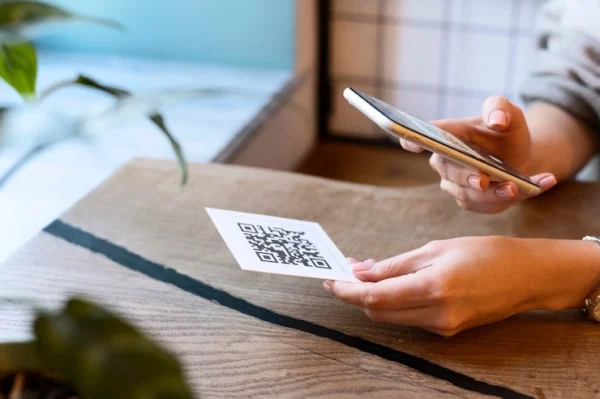
Summer travellers are facing growing digital risks as fraudsters use convincing booking messages, fake payment pages and deceptive QR codes to target people planning holidays or moving through busy transport hubs.
The threat is increasingly relevant as passengers rely on smartphones for hotel reservations, airline check-in, airport parking, restaurant menus, transport payments and attraction tickets. During peak travel periods, holidaymakers may be more likely to complete transactions quickly, especially when managing luggage, children, delays or unfamiliar surroundings.
Official consumer-protection and cybersecurity guidance warns that scammers frequently create urgency, imitate trusted organisations and direct victims towards malicious websites. These tactics can lead travellers to disclose passwords, payment details or personal information before they realise that a message, website or QR code is fraudulent.
QR Code Phishing Creates New Risks
QR codes have become a routine part of the travel experience. Visitors use them to view menus, make payments, access tickets and complete administrative tasks. However, authorities warn that criminals can use QR codes to direct consumers towards websites designed to steal information or install malicious software.
Travellers should exercise caution before scanning codes in unexpected messages or unfamiliar locations. A fraudulent code may lead to a website that looks legitimate but contains a slightly altered address. Once a traveller enters login details or card information, the data may be captured by criminals.
Physical QR codes also deserve attention. Before scanning a code at a parking area, restaurant, hotel lobby or transport terminal, travellers should check whether it appears to have been covered by a sticker or altered. When possible, they should use an official app or type a verified website address directly into their browser.
Fake Booking Messages Add Pressure
Accommodation and ticket fraud remain major concerns during peak holiday periods. Travellers may receive emails or text messages claiming that a booking requires urgent confirmation, a payment has failed or a reservation will be cancelled unless immediate action is taken.
The message may appear convincing because it uses professional formatting or includes familiar travel language. However, urgency is a common warning sign. Travellers should avoid clicking links in unexpected messages and instead open the official booking app or contact the hotel, airline or travel provider independently.
Holidaymakers should also be cautious when asked to make payments outside a secure booking platform. Requests for bank transfers, cryptocurrency payments, gift cards or unfamiliar payment methods should be treated with particular suspicion.
Simple Verification Can Prevent Losses
A short pause can prevent a costly mistake. Before approving any payment, travellers should confirm the recipient, review the website address and check whether the request makes sense. If a message claims there is an issue with a reservation, the safest approach is to access the booking through the original platform rather than using the supplied link.
Travellers should use strong, unique passwords for travel accounts and enable multi-factor authentication where available. Updating smartphones and apps before departure can also improve protection against known security weaknesses.
Using a dedicated travel card with a defined spending limit may help reduce exposure if payment details are compromised. Travellers should also monitor banking apps during their trip so that unfamiliar transactions can be identified quickly.
Tourism Businesses Must Protect Visitor Confidence
The issue also matters for hotels, airlines, tour operators and destinations. Digital fraud can damage confidence in online booking systems and create additional pressure for customer-service teams. A traveller who loses money through a convincing impersonation attempt may associate the experience with the destination or company being imitated.
Tourism businesses can support visitors by communicating clearly, explaining official payment procedures and avoiding unnecessary urgency in customer messages. Hotels and attractions should inspect publicly displayed QR codes regularly and remove any altered materials immediately.
Clear instructions can help visitors distinguish legitimate communication from fraud, especially when they are travelling internationally and may be unfamiliar with local systems.
Travellers Should Act Quickly After Fraud
Anyone who suspects that personal or payment information has been compromised should contact their bank or card provider immediately. Travellers should ask whether a transaction can be stopped or reversed and change any passwords entered on a suspicious website.
They should also report the incident to the relevant consumer-protection or law-enforcement authority in their country. Acting quickly may limit financial loss and help authorities identify wider scam patterns.
Summer travel should be a time for exploration and relaxation. However, as holiday bookings become increasingly digital, careful verification is now an essential part of the journey. A few extra seconds before scanning, clicking or paying can make the difference between a smooth holiday and an expensive disruption.
For more travel news like this, keep reading Global Travel Wire