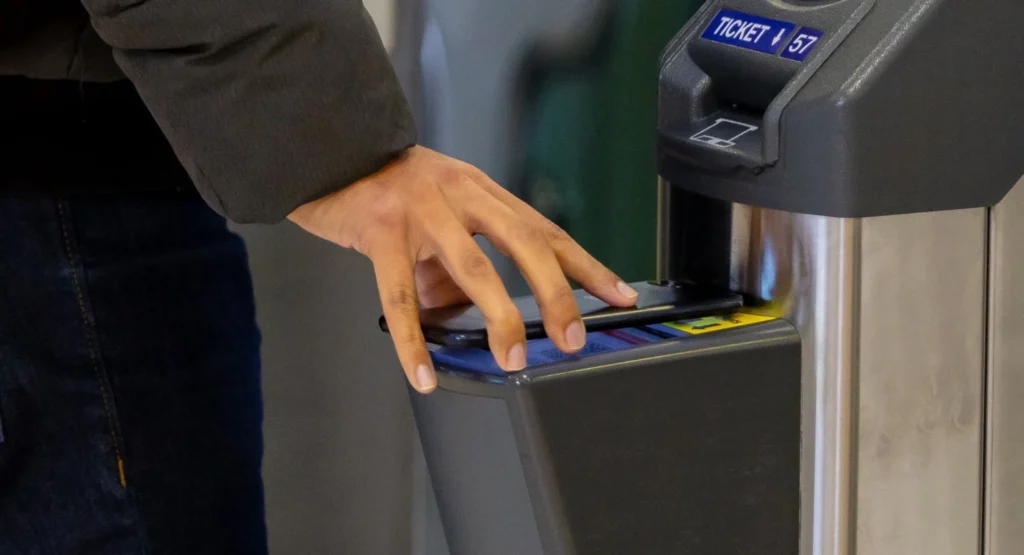
Millions of rail passengers could experience significant changes when entering and leaving stations as England prepares to introduce upgraded ticket barriers through a £33 million modernisation programme beginning in 2027.
The investment will fund new gates at selected stations where fare evasion and inadequate access controls have been identified as major concerns. Taller barriers, improved passenger-detection systems and compatibility with digital, paper and contactless tickets will form part of the programme.
Initial installations are expected during the first half of 2027, with the wider rollout scheduled for completion by the middle of 2028. The programme will cover 18 stations operated by six railway companies, including major regional gateways and heavily used commuter locations.
For legitimate passengers, the objective is to create a more secure and consistent station experience while protecting revenue that can be reinvested in train services and infrastructure.
Taller Gates Target Jumping and Tailgating
Some stations will receive taller paddle-style barriers designed to prevent people from climbing over or moving underneath conventional gates.
Advanced systems may also detect tailgating, where someone without a valid ticket follows closely behind a paying passenger through an open barrier. When suspicious movement is identified, station employees can receive an alert and respond appropriately.
Other locations without adequate controls will receive standard waist-high gates. The precise barrier design will depend on station layouts, passenger flows and the requirements of individual train operators.
The technology is intended to strengthen revenue protection without limiting the ticket choices available to passengers. Gates will accept conventional paper tickets, mobile and digital tickets, and contactless payments where pay-as-you-go travel is supported.
Major English Stations Join Initial Rollout
Manchester Piccadilly and Liverpool Lime Street are among the most prominent stations included in the programme.
Both serve as important gateways for regional tourism, business travel and onward rail connections. More reliable access control at these busy hubs could reduce unauthorised entry while supporting the movement of large passenger volumes during commuting periods, sporting events and holiday peaks.
Other stations expected to receive new or upgraded barriers include Stafford, Stevenage, Elephant and Castle, Worthing, Market Harborough, Royston and Gipsy Hill.
The programme also covers Hertford East, Manningtree, Rayleigh, Ware, Witham, Nuneaton, Tamworth, Worcester Foregate Street and Worcester Shrub Hill.
Participating operators include Avanti West Coast, East Midlands Railway, Greater Anglia, Thameslink, Southern and Great Northern, TransPennine Express and West Midlands Trains.
Fare Evasion Creates Pressure on Rail Investment
Fare evasion is estimated to cost England’s railway industry hundreds of millions of pounds annually. Lost revenue reduces the funding available for train operations, station improvements, accessibility measures and passenger services.
The government’s approach focuses on preventing unpaid travel before passengers reach platforms rather than relying only on inspections after journeys begin.
Stronger barriers could provide a visible deterrent while creating a fairer environment for travellers who purchase valid tickets. However, effective implementation will require trained station employees and clear procedures for assisting passengers when tickets fail to scan.
Tourists unfamiliar with the English rail system may also require visible instructions, particularly at stations offering several payment and ticketing methods.
Digital Tickets Shape the Station Experience
The barrier programme arrives as England’s rail network moves steadily towards mobile ticketing, contactless payments and integrated journey management.
Passengers increasingly store tickets on smartphones or use bank cards and mobile wallets to tap into eligible transport networks. Modern barriers must therefore process different ticket formats quickly while maintaining accuracy during busy periods.
More reliable scanners could reduce delays caused by damaged paper tickets, low screen brightness or older gates that struggle to read digital barcodes.
Nevertheless, passengers should continue preparing their ticket or payment method before reaching the gate. Keeping mobile devices charged and displaying the correct barcode can help prevent congestion at station entrances.
Existing ticket conditions will remain unchanged. Travellers will not need to purchase a special ticket solely because a station receives new barriers.
Passenger Accessibility Remains Essential
Station upgrades must balance security with accessibility and ease of movement.
Wider gates will remain important for wheelchair users, passengers carrying luggage, families travelling with pushchairs and cyclists using permitted services. Employees will also need to support travellers who cannot use automated gates independently.
Clear signage and reliable assistance will be particularly important during the introduction period, when passengers may be unfamiliar with new layouts or gate behaviour.
At major tourism gateways, efficient access can influence the wider visitor experience by helping travellers make connections and reach destinations without unnecessary delays.
Smarter Stations Support Future Rail Reform
The investment forms part of England’s wider movement towards a more digitally connected and centrally coordinated railway.
Future developments are expected to include expanded pay-as-you-go travel, additional digital ticketing options and more consistent passenger information services.
The new barriers will not solve every cause of fare evasion, and their performance will depend on station design, staffing and enforcement. However, they provide a stronger technological foundation for protecting revenue and managing passenger movement.
From 2027, travellers at selected stations should begin noticing taller gates, improved ticket scanning and more secure entrances. For millions of passengers, the most visible result could be a smoother and more dependable transition between the station concourse and the train platform.
For more travel news like this, keep reading Global Travel Wire