Cuba’s tourism industry is facing one of its most significant transitions in recent years after Spain’s Meliá Hotels International announced it will immediately end the management, marketing and branding of 15 hotels across the island. The decision reflects mounting operational pressures affecting the Caribbean destination, including prolonged energy shortages, declining visitor demand and a more challenging business environment.
The move marks a turning point for one of Cuba’s largest international hotel operators, which has maintained a presence on the island since 1990. While tourism continues across Cuba’s major destinations, the restructuring highlights the increasing challenges international hospitality companies face in maintaining operations under evolving economic and geopolitical conditions.
For travellers, the announcement does not mean Cuba is closing its doors. However, it signals a changing tourism landscape where accommodation choices, hotel management arrangements and visitor planning may continue to evolve.
Meliá Withdraws From Fifteen Cuban Hotels
Meliá confirmed that its Portuguese subsidiary, Ilha Bela Gestão e Turismo, will immediately cease providing hotel management, commercial services and brand licensing for 15 properties throughout Cuba.
According to the company, the decision results from a combination of geopolitical, legal and economic circumstances that have significantly affected the viability and security of continuing operations. The hotel group also noted that many of the affected properties had already been closed or operating with limited activity, reducing the immediate financial impact of the decision.
The company continues to operate several other hotels across Cuba, including properties in Havana, Varadero, Cienfuegos, Santiago de Cuba and Trinidad, meaning the Meliá brand remains present in the destination despite the restructuring.
Energy Challenges Continue to Affect Tourism Operations
Cuba’s tourism industry has been operating under difficult conditions for an extended period as recurring fuel shortages and electricity constraints affect transport, logistics and hospitality services.
Hotels have adapted operations to manage available resources, while transportation providers continue working around fuel limitations that can influence airport transfers, excursions and supply deliveries.
These operational challenges have increased costs for tourism businesses while making it more difficult to maintain consistent international hospitality standards. At the same time, declining visitor numbers have placed additional pressure on occupancy levels across several destinations.
Havana, Varadero and Resort Destinations Remain Open
Despite the restructuring, Cuba’s principal tourism destinations continue welcoming international visitors.
Havana remains the country’s leading gateway, attracting travellers with its UNESCO-listed Old Havana, colonial architecture, historic plazas, museums and vibrant cultural life. José Martí International Airport continues to serve as the island’s primary international aviation hub.
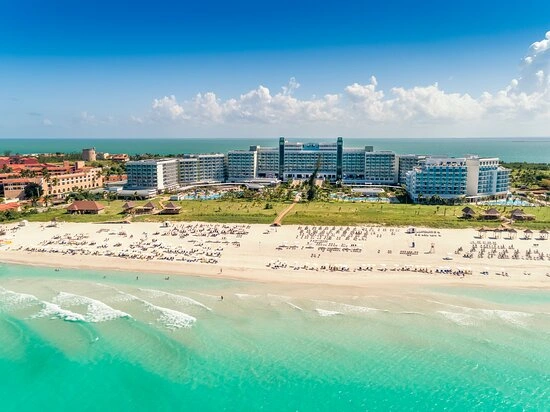
Varadero remains Cuba’s best-known beach destination, offering extensive stretches of white sand, established resort infrastructure and direct international air connections. Other destinations including Cayo Coco, Cayo Santa María, Holguín, Trinidad and the Viñales Valley also continue receiving domestic and international visitors.
Air services to Cuba remain available through the country’s major international airports, although travellers are encouraged to confirm flight schedules before departure, particularly during periods of operational adjustment.
Accommodation Options Continue to Diversify
Although management arrangements are changing at several hotels, accommodation remains available across multiple categories.
Travellers can still choose from internationally managed resorts, government-operated hotels, boutique properties and the country’s well-established network of privately operated casas particulares. These privately owned guesthouses have become an increasingly important part of Cuba’s tourism offering, providing visitors with additional flexibility across many destinations.
Visitors planning future holidays should confirm reservations directly with their accommodation provider or travel agency, particularly if bookings involve hotels affected by recent operational changes.
Tourism Industry Adapts to a Changing Market
Meliá’s restructuring reflects wider adjustments taking place across Cuba’s hospitality sector as international operators reassess long-term investments amid changing commercial conditions.
For airlines, tour operators and travel advisors, the developments reinforce the importance of monitoring accommodation availability, supplier partnerships and operational updates when planning Cuban itineraries.
The transition also demonstrates how closely tourism performance depends on reliable infrastructure, stable supply chains and sustained visitor demand. As global travel competition intensifies across the Caribbean, destinations increasingly rely on operational resilience alongside attractive tourism products.
Recovery Will Depend on Confidence and Connectivity
Cuba continues to possess many of the natural and cultural assets that have made it one of the Caribbean’s most distinctive destinations, including heritage cities, beaches, nature reserves and rich cultural traditions.
However, the industry’s long-term recovery will depend on rebuilding visitor confidence, strengthening operational reliability, improving infrastructure and maintaining international airline connectivity.
While Meliá’s withdrawal from 15 hotels represents a significant restructuring, it does not signal the end of tourism on the island. Instead, it marks another stage in Cuba’s ongoing adaptation to a rapidly changing travel environment. For travellers willing to plan carefully and remain informed, the country’s major tourism destinations continue to offer memorable experiences, even as the hospitality sector undergoes one of its most significant transformations in decades.
For more travel news like this, keep reading Global Travel Wire