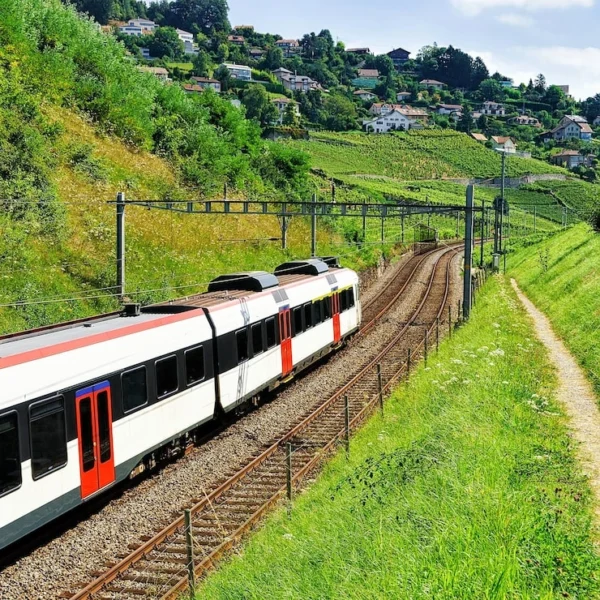
Czechia, Austria, Hungary and Poland are emerging as important destinations in Europe’s shift toward rail-based, data-informed tourism, creating new opportunities for international travellers to explore historic towns, cultural landscapes and natural regions beyond the continent’s famous capitals.
The development is not a single coordinated campaign involving the four countries or a confirmed partnership with one travel-technology company. Instead, it reflects a wider European transformation driven by stronger railway connectivity, sustainable mobility policies and improved use of tourism and transport data.
Prague, Vienna, Budapest and Kraków remain powerful visitor gateways. However, tourism planners increasingly recognise that concentrating demand in a limited number of cities can place pressure on attractions, public spaces, housing and transport systems.
Rail offers a practical way to distribute visitors more widely while supporting regional economies and creating slower, experience-led itineraries.
European Tourism Data Supports Smarter Decisions
The European Union is developing a common tourism data space intended to help public authorities and businesses share information securely, improve sustainability and create innovative visitor services.
Such data can help destinations understand travel behaviour, seasonal demand, mobility patterns and visitor interests. Authorities can then identify regions with tourism potential, coordinate transport services and target promotion more effectively.
The European Tourism Data Space is being developed through a multi-country project involving dozens of partners and common technical standards. Its purpose is broader than marketing: it is designed to strengthen competitiveness, digitalisation and evidence-based destination management.
For Central Europe, that approach could help tourism organisations identify travellers interested in wine regions, medieval towns, mountain escapes, thermal destinations and cultural routes rather than promoting only established urban landmarks.
Data alone cannot redirect visitors. Destinations must also offer dependable transport, accommodation and clear journey information. This is where Europe’s growing focus on passenger rail becomes increasingly important.
Cross-Border Rail Makes Regional Exploration Easier
The European Commission has identified long-distance and cross-border passenger rail as a central part of its sustainable mobility strategy. Recent measures aim to improve network capacity, reliability and the ability to find and purchase journeys involving more than one rail operator.
Simpler international ticketing could make multi-country Central European itineraries more accessible to travellers who currently find fragmented booking systems confusing.
Instead of flying between capitals, visitors could build railway journeys connecting major gateways with smaller destinations. This creates opportunities for longer stays, local spending and overnight visits in communities that receive less international tourism.
Rail also supports the growing appeal of lower-impact and experience-focused travel. Scenic routes, city-centre arrivals and the ability to observe changing landscapes can make the journey part of the holiday rather than simply transportation between attractions.
Czechia Extends Tourism Beyond Prague
Prague remains Czechia’s best-known international destination, but the country offers a dense railway network connecting the capital with regional centres and heritage areas.
Rail-based itineraries can introduce visitors to South Bohemia, historic Moravian cities, wine-producing areas and smaller towns known for castles, architecture and local traditions.
This wider distribution matters for tourism resilience. Encouraging travellers to add regional stops can reduce pressure on Prague while bringing hotel demand, restaurant spending and attraction revenue to other communities.
Czechia’s central geographic position also makes it a natural connection point for journeys involving Germany, Austria, Poland, Slovakia and Hungary.
Austria Turns Railway Journeys Into Attractions
Austria already presents rail as part of its tourism experience rather than merely a way of moving between cities.
Its national tourism organisation promotes train travel through Alpine scenery, valleys, historic towns and lakeside communities. Austria also highlights car-free holidays supported by regional trains, buses, shuttles and visitor mobility cards.
Vienna and Salzburg remain central to international itineraries, but rail allows visitors to continue into Tirol, Carinthia, Salzkammergut and other nature-led regions.
This model demonstrates how transport can support premium slow travel. Comfortable trains, dramatic landscapes and convenient local connections can encourage visitors to spend more time exploring a destination instead of treating the journey as lost time.
Hungary and Poland Gain Regional Opportunities
Hungary’s railway geography supports journeys beyond Budapest into thermal spa destinations, historic settlements, wine regions and the countryside surrounding Lake Balaton.
Improved regional visibility could help the country distribute tourism spending beyond the capital while strengthening multi-country itineraries through neighbouring Austria, Slovakia, Czechia and other Central European markets.
Poland has similar potential. Warsaw and Kraków remain major entry points, but rail can connect international travellers with Lower Silesia, heritage towns, mountain regions, Baltic destinations and nature-focused experiences.
For both countries, accessibility and clear booking information will determine whether lesser-known destinations successfully convert traveller interest into longer stays.
Hidden Destinations Could Reshape Europe’s Tourism Map
The next stage of Central Europe rail tourism will depend on cooperation between railway operators, governments, destination organisations and local businesses.
Better data can reveal demand, but travellers also need frequent services, coordinated timetables, multilingual information and convenient onward transport after leaving the train.
If those elements align, rail can become a powerful tool for managing visitor flows while supporting communities beyond established tourism centres.
Czechia, Austria, Hungary and Poland are well positioned for this transition because they combine major city gateways with extensive cultural and natural assets nearby.
The result could be a new European travel pattern in which Prague, Vienna, Budapest and Kraków remain starting points—but no longer define the entire journey.
For more travel news like this, keep reading Global Travel Wire