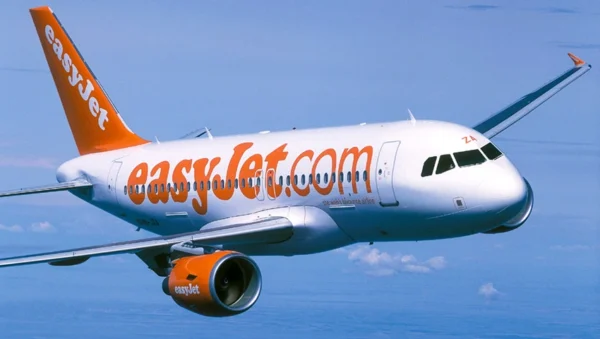
Potential takeover interest in easyJet has placed one of the United Kingdom’s most important low-cost airlines under fresh scrutiny, creating questions for travellers, hotels, regional airports and tourism businesses ahead of the peak summer season.
US investment firm Castlelake has confirmed that it is in the early stages of considering a possible offer for easyJet. However, no approach has been made to the airline’s board, and there is no certainty that a formal bid will follow. Under UK takeover rules, Castlelake must announce a firm intention to make an offer or confirm that it will not proceed by 5 p.m. on 26 June 2026.
easyJet has responded by describing the timing as highly opportunistic. The airline said its share price has been temporarily depressed by the current situation in the Middle East, including the impact on customer confidence and jet fuel prices. It also highlighted the regulatory, financial and execution challenges that could accompany a potential takeover.
Flights Continue as Travellers Watch for Updates
For tourists, the immediate message is continuity. No change to easyJet flight operations has been announced, and the airline continues to carry passengers across its short-haul network. Travellers with upcoming bookings should continue checking official airline updates, destination guidance and insurance coverage, particularly when itineraries involve regions affected by geopolitical disruption.
The uncertainty nevertheless matters because easyJet plays a major role in affordable travel. The airline flies around 50 million customers to and from the UK each year and approximately 100 million passengers across its wider European network. It operates more than 1,000 routes, including 630 routes from 22 UK airports to 140 destinations across Europe and North Africa.
That connectivity supports city breaks, beach holidays, family visits and inbound tourism. It also helps hotels, restaurants, attractions, retailers and transport providers benefit from visitor spending.
Regional Airports Depend on Affordable Connectivity
Regional airports are central to the tourism impact. easyJet services connect travellers with destinations through gateways including London Luton, Gatwick, Manchester, Edinburgh and Glasgow, while the wider UK network reaches airports across the country.
According to easyJet’s economic impact report, the airline enabled £21 billion in Gross Value Added for the UK economy and supported 243,600 jobs in its last financial year. The report also said that 15 million tourists flying with easyJet spent £9.7 billion across the UK economy, with 58% of inbound passengers landing outside London.
That regional distribution is especially important for destinations seeking to spread visitor demand beyond the capital. Affordable direct flights can strengthen weekend tourism, support seasonal hospitality employment and encourage travellers to explore more of the UK.
The affordability question also matters for consumer confidence. easyJet has said that starting fares on several long-running routes are now more than 50% lower in real terms than when those services launched in the 1990s. Any future ownership decision will therefore be watched closely for its potential effect on fare competition and destination choice.
Tourism Sector Faces a Delicate Summer
The possible Castlelake offer arrives as the travel sector manages a complex summer outlook. Middle East tensions have affected confidence and fuel-price expectations, while travellers are paying closer attention to disruption risks and travel insurance terms.
The UK government advises passengers to check guidance for destinations and transit points, monitor airline or tour operator updates and review their insurance policies. These steps remain important for travellers booking flights during periods of international uncertainty.
At the same time, easyJet has emphasised its financial position and long-term strategy. The airline said it has an investment-grade balance sheet with a net cash position and remains focused on its medium-term target of delivering more than £1 billion in profit before tax.
June Deadline Keeps Tourism Businesses Alert
The next major date is 26 June 2026. Until then, the tourism industry will be watching for any formal proposal and assessing whether a possible ownership change could affect routes, capacity, pricing or future investment.
For travellers, there is currently no reason to assume disruption to booked flights. However, the interest surrounding easyJet underlines how closely the UK visitor economy depends on stable, affordable air connectivity.
Hotels, attractions, tourism boards and regional airports will be looking for clarity as the deadline approaches. The priority for the travel sector is straightforward: maintain passenger confidence, protect connectivity and keep affordable tourism moving across the UK and Europe.
For more travel news like this, keep reading Global Travel Wire