The landscape of maritime vacation planning has adapted to shifting consumer behaviors, as official fleet deployment announcements confirm a major change in seasonal routing strategies. Breaking away from the historical industry practice of relocating fleets to tropical basins during the late autumn, Holland America Line has formally launched its first-ever year-round European sailing schedule for the 2027-2028 operational season. The strategy is anchored by the permanent regional deployment of the Nieuw Statendam, a high-capacity Pinnacle-class vessel, which will remain in European waters through the traditional winter and early spring months.
According to official administrative statements released by the cruise line, the decision to commit substantial asset capacity to the region during formerly off-peak months is a direct response to changing global travel patterns. Tourism boards and port agencies across the Mediterranean and Northern Europe have increasingly documented consumer interest in winter travel windows. This trend is heavily driven by vacationers who wish to bypass the intense thermal peaks and dense crowds that define modern summer travel seasons.
Official Corporate Deployment Strategy and Logistical Goals
On May 28, 2026, Holland America Line’s executive division finalized the operational parameters for the upcoming winter expansion. The expanded calendar introduces more than 70 additional shore-side port days compared to previous winter cycles, giving travelers extended time windows to interact with historical coastal communities. The deployment framework is also supplemented by two specialized high-capacity voyages aboard the Zuiderdam, broadening the structural scope of the winter initiative.
Paul Grigsby, Vice President of Deployment and Itinerary Planning for Holland America Line, stated that expanding to an uninterrupted, year-round presence in Europe allows the operator to showcase the regional infrastructure under highly authentic, seasonal conditions. The programmatic shift is designed to deliver immersive exploration opportunities, ranging from the historic illumination of Northern European holiday markets to a more relaxed, temperate environment throughout the classic Western and Eastern Mediterranean basins.
Northern Europe: Dedicated Holiday and Scandinavian Itineraries
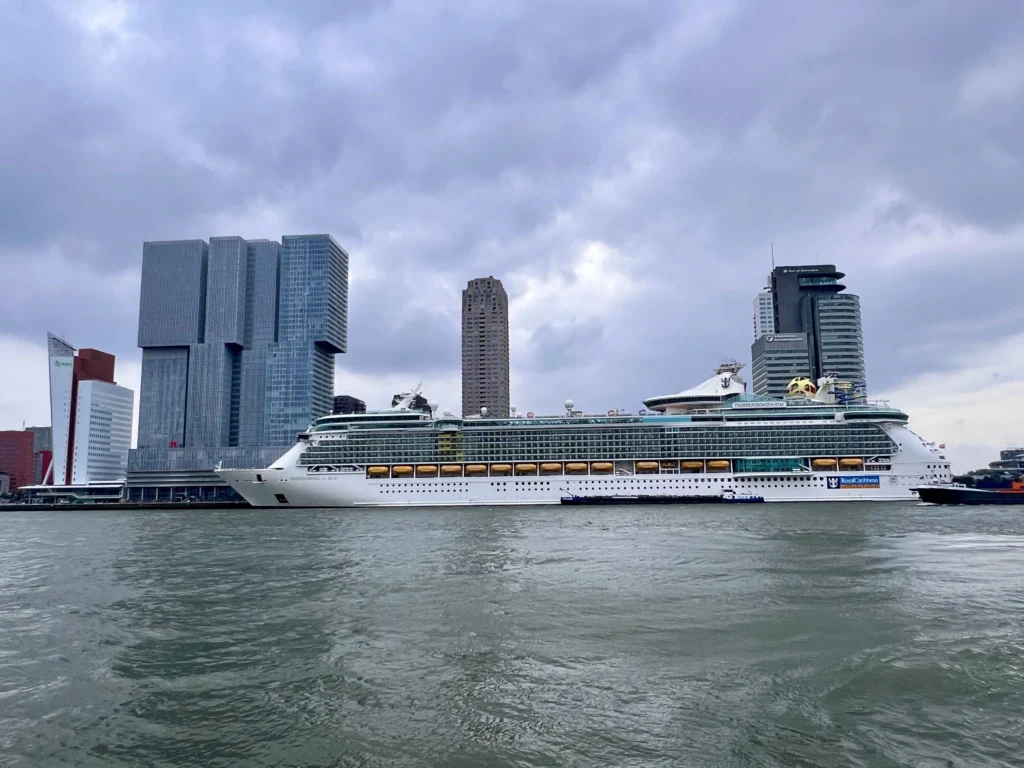
The initial phase of the winter program focuses on high-latitude seasonal travel, featuring itineraries designed to highlight classic regional traditions across the Baltic and Scandinavian corridors. Operating round-trip from the high-capacity maritime hubs of Rotterdam, Netherlands, and Dover, England, the holiday schedules allow travelers to see major historic centers at a slower pace.
Specific itineraries established within the winter framework include:
13-Day Baltic and Scandinavian Christmas Markets: Departing in early December 2027, this route calls at Kiel (serving as the primary transport gateway to Hamburg, Germany), Tallinn, Estonia, and Copenhagen, Denmark. The route is structurally anchored by back-to-back overnight port stays in Helsinki, Finland, and Stockholm, Sweden, giving guests prolonged evening access to seasonal artisan exhibitions.
Lapland Excursion Corridor: While docked in Helsinki, the itinerary opens up authorized transit options extending past the Arctic Circle to the official Santa Claus Village in Lapland, providing a winter-specific tourism draw.
15-Day Christmas and New Year’s Holiday Voyage: This extended route features coordinated overnight stays in Hamburg and Copenhagen, paired with scenic navigation through the snow-covered fjords of southern Norway, including port stops in Oslo, Bergen, and Stavanger.
Mediterranean Realignment: Chasing the Winter Sun
Following the conclusion of the holiday market cycle, the Nieuw Statendam will transition its operational focus southward to manage a comprehensive winter and spring Mediterranean series. These itineraries range from seven to 15 nights, and can be compiled into extended “Collectors’ Voyages” stretching up to 24 consecutive days.
The southern routes focus heavily on cultural capitals throughout Spain, France, Italy, Greece, and North Africa. By scheduling arrivals during cooler weather windows, the itineraries allow travelers to tour complex archaeological sites, such as Pompeii via the Port of Naples or the ancient ruins of Ephesus via Kusadasi, without encountering the severe foot traffic typical of the summer months.
To enhance the depth of these journeys, the Mediterranean manifest integrates targeted overnight stays and extended evening calls in sought-after destinations, including Lisbon, Barcelona, Istanbul, and Piraeus (Athens). Additionally, specialized routes extend westward to encompass the Canary Islands and Morocco, providing varied geographic options for long-range vacation planners.
| Vessel Deployment | Core Itinerary Type | Key Geographic Ports & Overnights |
| Nieuw Statendam | Baltic Christmas Markets | Rotterdam/Dover Round-trip; Overnights in Helsinki and Stockholm. |
| Nieuw Statendam | Scandinavian Holiday Line | Deep Norway Fjord Cruising; Overnights in Hamburg and Copenhagen. |
| Nieuw Statendam | Med & Canary Islands Loops | 7- to 15-Night Tracks; Overnights in Lisbon, Barcelona, and Athens. |
| Zuiderdam | Extended Cultural Crossings | Transatlantic links to the Mediterranean; specialized Morocco stops. |
Managing Realistic Expectations for Off-Season Voyagers
While the advantages of off-season European cruises are substantial—including lower baseline pricing, uncrowded heritage museums, and deeper interaction with local communities—travel authorities emphasize the necessity of realistic expectation management. Operating vessels through high-latitude or winter maritime corridors requires transparency regarding potential logistical shifts.
International cruise advisors note that off-season atmospheric conditions can result in short-notice route modifications or delayed arrivals due to sea states or localized rain bands. Furthermore, certain regional infrastructure assets, such as outdoor beach clubs, seasonal island ferries, or specific tourist-centric seaside cafes, routinely follow winter closure mandates.
By proactively sharing these operational details alongside the unmistakable appeal of crowd-free sightseeing, cruise operators ensure higher overall consumer satisfaction. As the global travel industry continues to support sustainable tourism distribution across all 12 months of the year, these year-round deployments provide a stable, verified framework for exploring Europe at a more reflective pace.
For more travel news like this, keep reading Global Travel Wire