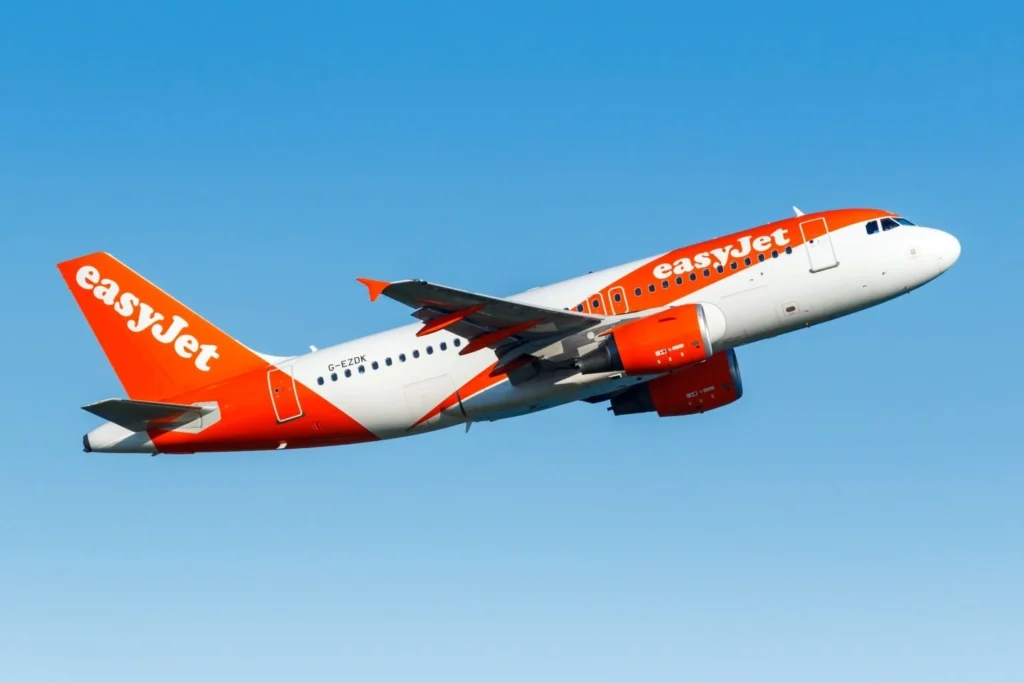
easyJet has taken delivery of its 100th Airbus NEO family aircraft in Hamburg, marking a major milestone in the airline’s fleet renewal programme and strengthening its ability to serve travellers across Europe with more efficient aircraft and upgraded cabins.
The milestone aircraft joins an all-Airbus fleet that now totals 359 aircraft. More than a quarter of easyJet’s fleet is made up of newer-generation NEO aircraft, reflecting the airline’s continued investment in fuel efficiency, operational performance and passenger comfort.
The delivery also introduces the latest Airbus Airspace cabin across easyJet’s future NEO deliveries. In addition, the airline will retrofit 81 existing A320neo and A321neo aircraft with Airspace cabin enhancements, bringing a more consistent onboard experience to a larger share of its European network.
Airspace Cabin Brings a Modern Passenger Experience
Passengers travelling on the latest NEO aircraft can expect a redesigned cabin with improved lighting, updated furnishings and a more welcoming atmosphere. The Airspace cabin includes a refined colour palette across sidewalls and toilets, along with new lighting designed to create a calmer onboard environment.
Accessibility is also a central part of the cabin upgrade. Braille indicators on seat-row placards will help visually impaired passengers locate their seats more easily. This enhancement supports a more inclusive travel experience while making the cabin easier to navigate.
The upgraded interior also includes more shoulder room, redesigned toilets with touchless features and a greater focus on repairable and recycled materials. Front and rear galleys have been redesigned with improved storage, supporting cabin crews during short-haul operations.
Retrofit Programme Extends Benefits Across the Fleet
easyJet’s cabin improvements will not be limited to newly delivered aircraft. The airline plans to retrofit 75 A320neo aircraft and six A321neo aircraft with the latest Airspace enhancements.
For passengers, this means the upgraded experience will gradually become available on more routes across easyJet’s network. Travellers taking city breaks, beach holidays, family trips and business journeys can benefit from brighter cabins, improved accessibility and a more modern onboard environment.
The retrofit programme also supports operational consistency. A more uniform cabin experience can make travel expectations clearer for passengers while allowing the airline to introduce upgrades across a wider range of European destinations.
Lower Fuel Burn and Reduced Noise Support Greener Travel
The Airbus A320neo family delivers up to 20% lower fuel burn and carbon dioxide emissions per seat compared with previous-generation aircraft. The aircraft also provide an estimated 50% reduction in noise footprint.
These improvements are significant for travellers and destinations alike. Lower fuel consumption supports more efficient operations, while reduced noise can benefit communities surrounding airports. For tourism regions served by frequent short-haul flights, quieter and more efficient aircraft can help balance visitor demand with environmental priorities.
The aircraft are powered by CFM LEAP-1A engines and are capable of operating with up to 50% Sustainable Aviation Fuel today, with a pathway to 100% by 2030. The NEO fleet also uses digital systems designed to support more efficient, data-driven operations.
New Lighting Technology Improves Efficiency
Future aircraft will feature non-retractable LED Multi-Functional Runway Lights. The redesigned system removes previous nose landing gear lighting and simplifies the landing-light mechanism.
The change reduces drag and weight while improving optical and reliability performance. Although the update is technical, it supports a wider goal: reducing fuel consumption through a series of operational improvements across the fleet.
easyJet is also investing in navigation software, lighter paint systems, taxi-management optimisation and other efficiency measures. Together, these initiatives support the airline’s target of reducing carbon emissions intensity by 35% by 2035.
Tourism Destinations Gain From Fleet Renewal
Fleet renewal has wider implications for tourism across Europe. easyJet operates more than 1,000 routes to more than 160 airports across 35 countries, connecting travellers with major cities, coastal resorts and regional destinations.
More efficient aircraft can help the airline maintain a broad short-haul network while improving passenger experience. For hotels, restaurants, attractions and local transport providers, reliable air connectivity remains central to visitor demand.
The NEO milestone also supports travellers seeking lower-impact ways to explore Europe. While aviation remains a significant source of emissions, newer aircraft and operational improvements can reduce emissions per seat and support gradual progress toward more efficient travel.
A Major Step in easyJet’s Fleet Strategy
The arrival of easyJet’s 100th NEO aircraft is more than a fleet statistic. It represents a practical shift toward quieter aircraft, improved accessibility and a more modern cabin experience.
As easyJet continues to renew and retrofit its fleet, passengers across Europe can expect more journeys on next-generation aircraft. The milestone strengthens the airline’s role in European travel while supporting tourism growth, destination access and more efficient short-haul aviation.
For more travel news like this, keep reading Global Travel Wire