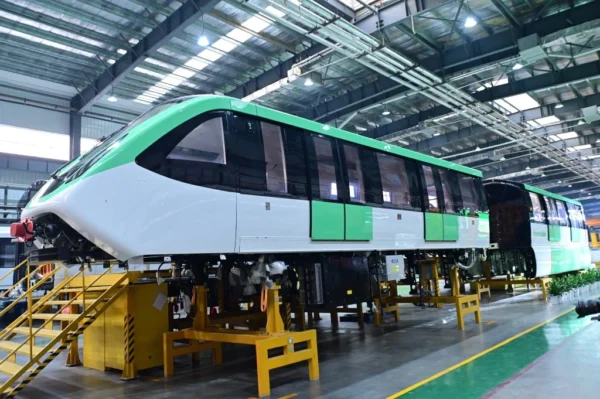
Mexico is strengthening urban rail capacity ahead of the FIFA World Cup 2026 as new China-built light rail trains begin operating in Monterrey and broader transport modernization projects improve mobility in major host cities.
The first three MM-25 light rail trains developed by CRRC entered service on Monterrey Light Rail Line 1 on April 22. The trains are designed to improve transport capacity and service quality across a key urban corridor while supporting the city’s preparations for one of the world’s largest sporting events.
Monterrey will join Mexico City and Guadalajara as Mexico’s three FIFA World Cup 2026 host cities. The tournament will bring international visitors, domestic travelers and football fans into major urban centers, increasing demand for reliable links between airports, hotels, attractions and match venues.
For tourism stakeholders, improved public transport will play an important role in the visitor experience. Faster and more dependable rail journeys can help travelers explore city attractions before and after matches while reducing pressure on busy road networks.
Monterrey Line 1 Connects Key Urban Areas
Monterrey Light Rail Line 1 spans approximately 19 kilometres and includes 20 stations. The route connects Guadalupe with central Monterrey, making it an important part of the metropolitan area’s daily transport network.
The arrival of the new trains supports a wider effort to improve rail operations before World Cup visitors arrive. Monterrey is expected to attract football fans for matches at the city’s stadium, creating opportunities for hotels, restaurants, retail businesses and visitor attractions across the metropolitan area.
Improved rail capacity can also benefit residents and business travelers long after the tournament ends. Better urban connectivity supports daily commuting, tourism access and more efficient movement across the city.
For international visitors, reliable public transport can simplify itinerary planning. Travelers attending matches may also visit cultural districts, restaurants, shopping areas and nearby attractions, extending tourism spending beyond stadium zones.
Mexico City Rail Modernization Adds Wider Tourism Benefits
Mexico City is also benefiting from major rail modernization. Metro Line 1, one of the capital’s most important transport corridors, has undergone a comprehensive upgrade involving new vehicles, modernized communication systems, renovated tracks and improved electromechanical infrastructure.
The line stretches approximately 18.83 kilometres across 20 stations and can serve more than one million passengers daily. Its modernization is designed to improve safety, convenience and operational efficiency in one of the country’s busiest metropolitan transport systems.
The project includes 29 new metro trains, with most of the fleet assembled in Mexico. The modernization is expected to increase installed capacity by up to 35 percent, raise the number of trains operating per hour and reduce overall journey times.
These improvements are particularly important as Mexico City prepares to host the opening match of the FIFA World Cup 2026. The capital will welcome large numbers of international travelers seeking access to stadium areas, cultural landmarks, dining districts and hospitality services.
Sustainable Transport Supports Visitor Experience
Rail investment is becoming increasingly important for destinations hosting major international events. Large sporting tournaments create intense mobility demand, particularly before and after matches when thousands of passengers move within short periods.
Modern electric rail systems can help cities reduce congestion while offering visitors a more predictable way to travel. They also support sustainability goals by encouraging passengers to use public transport instead of relying entirely on private vehicles and road-based transfers.
For Mexico, the World Cup provides an opportunity to showcase improved urban infrastructure while delivering long-term benefits for residents. Rail upgrades can continue supporting tourism, business travel and everyday mobility well beyond the tournament.
The benefits also extend to the hospitality sector. Hotels located near rail corridors can become more attractive to visitors seeking convenient access to stadiums and city attractions. Restaurants, shopping centers and entertainment districts may also gain from increased passenger movement.
World Cup Tourism Could Strengthen Urban Economies
Mexico’s host cities are preparing for a major international tourism moment. Mexico City, Guadalajara and Monterrey each offer distinct visitor experiences, from cultural landmarks and gastronomy to shopping, entertainment and regional excursions.
Better public transport can encourage fans to spend more time exploring host cities rather than navigating congestion. This creates opportunities for local businesses and helps distribute tourism spending across wider urban areas.
The introduction of new CRRC trains in Monterrey and the modernization of Mexico City Metro Line 1 show how rail infrastructure can become part of the destination experience.
As FIFA World Cup 2026 travel demand accelerates, Mexico’s urban rail upgrades will help cities manage visitor flows, support sustainable mobility and strengthen the long-term connection between major sporting events and tourism growth.
For more travel news like this, keep reading Global Travel Wire