The 2026 FIFA World Cup was widely projected to be an unprecedented goldmine for the North American hospitality and travel sectors. Initial economic forecasts confidently pointed toward record-breaking visitor numbers, packed entertainment districts, and wall-to-wall hotel occupancy across major metropolitan zones. However, official data from the opening phases of the tournament has revealed a much more complex reality on the ground, forcing destination management organizations to quickly re-evaluate their operational expectations.
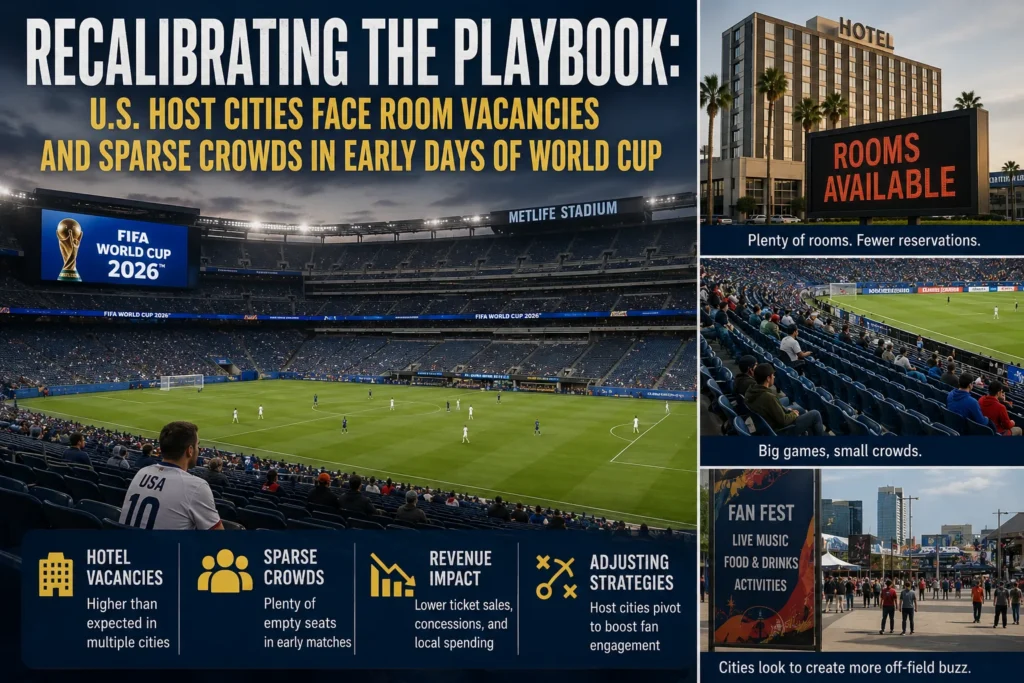
Instead of facing severe accommodation shortages, hotel operators in several key United States host markets are confronting unexpected vacancies, late booking cancellations, and a sharp flattening of demand. Simultaneously, initial broadcast footage has shown noticeable patches of empty seating in some of the massive, NFL-style stadiums. These early operational trends have initiated critical discussions among regional tourism agencies, municipal governments, and event partners regarding premium ticket structures, aggressive lodging price points, and geographic travel friction.
The Reality of Geographic Distance and Travel Friction
A significant factor influencing current FIFA World Cup tourism trends is the sheer geographic scale of the multi-national hosting format. Unlike the highly compact layouts of recent tournaments held in Qatar or Germany—where supporters could easily navigate between host cities via short rail journeys—the 2026 footprint spans thousands of miles between core U.S. aviation hubs like Los Angeles, Dallas, New York/New Jersey, and Miami.
Public transit logistics and multi-hour domestic flights across varied time zones have altered traditional fan behavior. Rather than booking multi-city tours to follow various group-stage matches, international visitors are demonstrating a highly selective travel strategy. Many are opting to establish a singular base city for a longer duration, choosing to attend fewer live games in person while watching alternative fixtures from regional fan zones, public parks, or local hospitality venues.
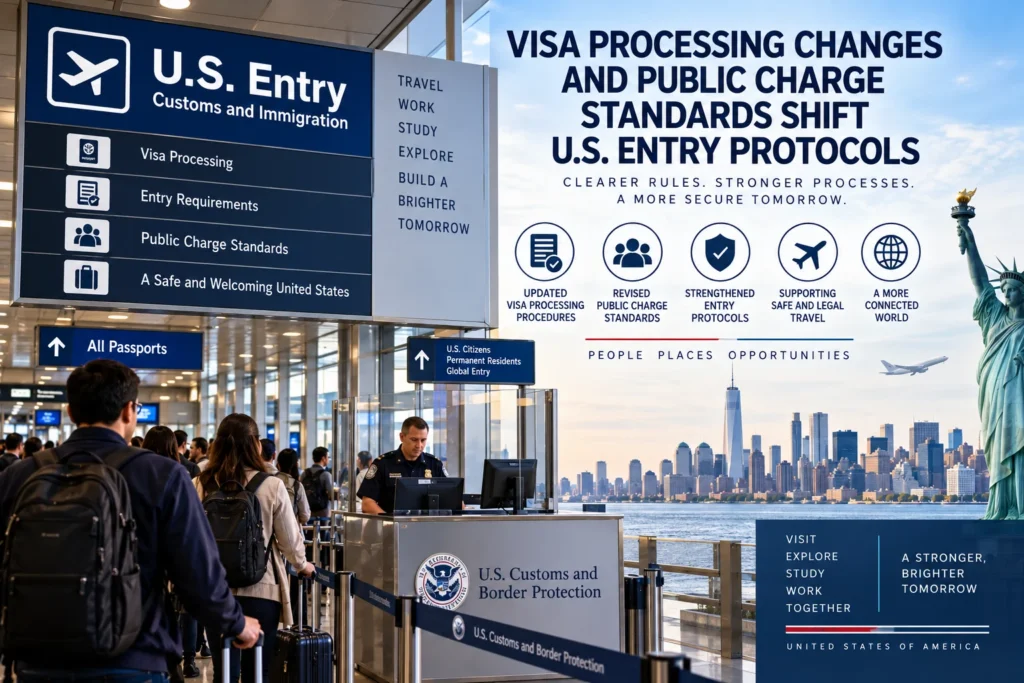
Furthermore, the overall financial commitment required for an international excursion has significantly consolidated crowd sizes. The compounding costs of long-haul international airfare, domestic transit, daily dining, and premium-priced match tickets have led cost-conscious families and core supporter groups to closely budget their experiences. Complexities surrounding international entry visa wait times and Electronic System for Travel Authorization processing protocols have also compressed the travel planning window for several participating nations, resulting in adjusted or downsized itineraries.
Hoteliers Pivot to Address the Accommodation Slump
The current lodging inventory variance traces back to the early ticket-draw phases, which initially triggered a massive surge in speculative hotel reservations. However, once match schedules and group allocations were officially finalized, hoteliers witnessed a notable stabilization of confirmed bookings.
Public lodging reports suggest that aggressive initial pricing strategies—particularly within downtown commercial centers and properties immediately adjacent to stadium perimeters—inadvertently discouraged regional domestic travelers. In response, many fans shifted their preferences toward short-term rentals or delayed their arrangements entirely to capitalise on last-minute pricing corrections.
To counteract this softer-than-expected early demand, regional businesses and hospitality providers are actively adjusting their strategies in real time. Rather than maintaining rigid event-premium rates, properties in several host corridors have begun lowering nightly base rates and introducing specialized tourism packages. These curated promotions frequently bundle standard accommodation with local dining experiences, organized shuttle bus transport to stadium zones, and dedicated public viewing access.
Uneven Turnout in Massive Venues
On-the-ground metrics indicate that stadium attendance remains highly uneven. Marquee fixtures featuring global soccer heavyweights or high-profile regional favorites continue to deliver sold-out stands and vibrant, high-energy atmospheres. However, neutral group-stage matchups hosted in stadiums boasting capacities of 70,000 to 80,000 seats have occasionally resulted in visible availability in upper tiers and corporate hospitality sections.
Domestic attendance patterns have also shifted due to overlapping seasonal factors. The tournament’s summer schedule directly collides with standard domestic vacation windows, inflationary cost-of-living pressures, and a highly crowded domestic sports calendar that includes the peak of the Major League Baseball season. For many casual domestic sports fans, viewing high-definition tournament broadcasts from local entertainment districts or neighborhood watch parties has emerged as a much more accessible option than navigating stadium transit logistics.
Despite these patchier distribution corridors, the macro-level economic footprint of the tournament remains vast. Primary international airports are continually processing significant waves of arriving global passengers, and restaurant trade within formal fan zones remains robust on primary match days. Additionally, strong worldwide television viewership and digital streaming metrics continue to deliver exceptional baseline value for broadcasting partners and commercial entities.
Aviation and municipal leaders view these initial weeks as a valuable operational live-test. The logistical lessons gathered regarding transit flow, crowd management, and flexible localized pricing will be heavily utilized to optimize the remaining knockout stages, where ticket demand historically tightens as the stakes increase. Ultimately, the evolving dynamics of the 2026 event highlight a critical lesson for global sports tourism: even the world’s largest sporting spectacle requires a delicate balance between premium monetization and accessible fan infrastructure to keep stadiums and cities fully energized.
For more travel news like this, keep reading Global Travel Wire