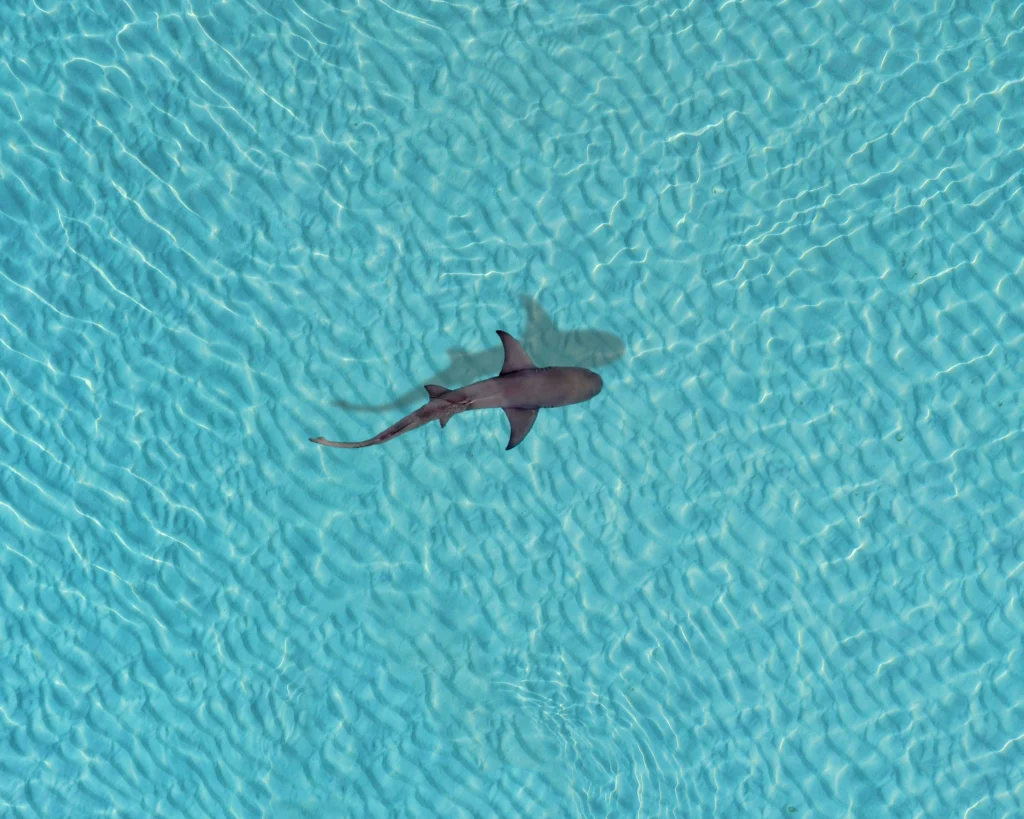
Australia’s Coogee Beach has become the centre of a major coastal safety debate after a severe shark attack in Sydney, New South Wales, exposed gaps in drone surveillance coverage and triggered renewed scrutiny of airspace restrictions over one of the country’s most visited urban beaches.
The incident occurred when a swimmer was bitten by a large shark just offshore within a designated swimming zone at Coogee Beach. Emergency teams, including lifeguards, police, marine response units, and surf safety personnel, moved quickly after distress alerts were raised. The swimmer suffered serious injuries to the arms and leg and was taken to hospital in critical condition.
The attack caused immediate disruption across Sydney’s eastern beaches, where authorities temporarily closed multiple swimming areas as a precaution. Jet skis, lifeguard patrols, and aerial monitoring teams were deployed to assess risk and search for further shark activity along the coastline.
Sydney Beach Closures Disrupt Coastal Tourism
Coogee Beach is one of Sydney’s most recognisable seaside destinations, drawing residents, domestic visitors, international tourists, families, swimmers, walkers, and hospitality customers throughout the year. Its temporary closure sent a clear message across the tourism sector: coastal safety is now a central part of destination confidence.
The emergency response extended beyond Coogee, with neighbouring beaches also affected by precautionary closures and safety checks. These eastern suburbs beaches are important to Sydney’s visitor economy, supporting cafes, restaurants, accommodation providers, surf schools, local shops, coastal walks, and day-trip itineraries.
Even short closures can affect tourism activity. Visitors may cancel beach plans, hotels may face questions from guests, and local businesses can see reduced foot traffic during peak recreation periods. For a city that markets its coastline as a core lifestyle experience, public confidence in beach safety is essential.
Drone Restrictions Become A Critical Safety Issue
The Coogee attack has intensified debate over drone use along Sydney’s coastline. Drones are widely used in modern beach safety operations because they can scan large areas of water quickly, support lifeguards with live visual information, and help identify potential shark movement before swimmers are placed at risk.
However, Coogee sits within a complex aviation environment influenced by the wider Sydney airspace system and proximity to controlled flight corridors. Drone operations in populated areas and controlled airspace are subject to strict safety requirements, including rules designed to protect aircraft, people on the ground, and public spaces.
After the attack, emergency permissions allowed Surf Life Saving teams to deploy drones over Coogee Beach to support real-time coastal monitoring. This immediate shift highlighted a key policy question: should high-risk beaches near restricted airspace receive clearer long-term exemptions for safety surveillance?
NSW Shark Surveillance Enters The Spotlight
New South Wales already operates a broad shark mitigation program that includes drone patrols, tagged shark tracking, SMART drumlines, coastal alerts, and public safety information. The state’s SharkSmart framework has positioned drones as an increasingly important tool in beach protection, particularly during high-use periods.
Drones can cover wide stretches of coastline far faster than land-based observation alone. They also allow surf lifesavers to monitor offshore conditions, identify marine activity, and make quicker decisions about warnings or closures.
The Coogee incident has now strengthened calls for more consistent drone coverage across Sydney beaches. Rather than relying mainly on seasonal or limited operations, authorities are facing pressure to consider year-round aerial surveillance at high-density swimming locations.
Tourism Confidence Depends On Visible Safety Measures
Shark encounters remain rare, but incidents inside or near flagged swimming areas can have a strong effect on visitor perception. For international tourists, Sydney beaches often represent the image of Australia itself: clean water, surf culture, outdoor recreation, and relaxed coastal living.
When an attack occurs at a famous urban beach, safety concerns can spread quickly across the visitor market. Families may become hesitant to swim, overseas travellers may change beach plans, and tour operators may need to reassure guests about active monitoring systems.
Visible safety measures can help restore confidence. Lifeguard presence, jet ski patrols, drone flights, beach alerts, clear signage, and official updates all play a role in showing the public that authorities are actively managing risk.
For Sydney’s tourism economy, the response is as important as the incident. A fast, coordinated, technology-supported safety operation can reduce fear and help visitors return to beaches with greater trust.
Aviation Rules And Beach Safety Must Now Align
The policy challenge is how to balance aviation safety with public safety on the coastline. Drone restrictions exist for valid reasons, especially in areas with aircraft movement, populated beaches, and complex airspace. However, emergency response teams also need rapid access to aerial tools when lives may be at risk.
The review of drone rules around restricted coastal zones could become a major turning point for Australia’s beach management system. Long-term permissions, pre-approved emergency corridors, dedicated surf lifesaving drone protocols, or expanded operational exemptions could all help reduce delays during critical incidents.
Such changes would need to protect aviation safety while giving trained operators the ability to respond quickly. The goal is not uncontrolled drone use, but a controlled system that allows lifesaving technology to operate where and when it is needed most.
High-Tech Coastal Defence Becomes Australia’s Next Priority
The Coogee Beach shark attack has accelerated a wider shift toward technology-led coastal defence. Australia’s beaches are not only recreational spaces; they are tourism assets, community gathering points, sporting venues, and major economic drivers.
Future beach safety systems are likely to combine drones, artificial intelligence, tagged shark alerts, lifeguard communications, marine patrols, and public warning platforms into one integrated network. This would allow authorities to move from reactive closures toward faster risk detection and prevention.
AI-assisted drone monitoring could further improve response times by helping operators identify shark-like shapes, unusual movement, or risk patterns in crowded waters. While human judgment would remain essential, technology could expand the reach and speed of coastal surveillance.
Coogee Attack Marks A Turning Point For Sydney Beaches
The Coogee Beach shark attack has become more than a local emergency. It has exposed the tension between aviation regulation, public safety, tourism confidence, and the need for faster surveillance at high-profile coastal destinations.
As New South Wales reviews drone operations and strengthens beach monitoring, Sydney’s coastline may be entering one of its most important safety upgrades in decades. For residents and visitors, the outcome could shape how beaches are protected, how quickly risks are detected, and how confidently people return to the water.
Australia’s coastal tourism future now depends on a sharper balance: keeping skies safe, beaches open, swimmers protected, and visitors reassured.
For more travel news like this, keep reading Global Travel Wire