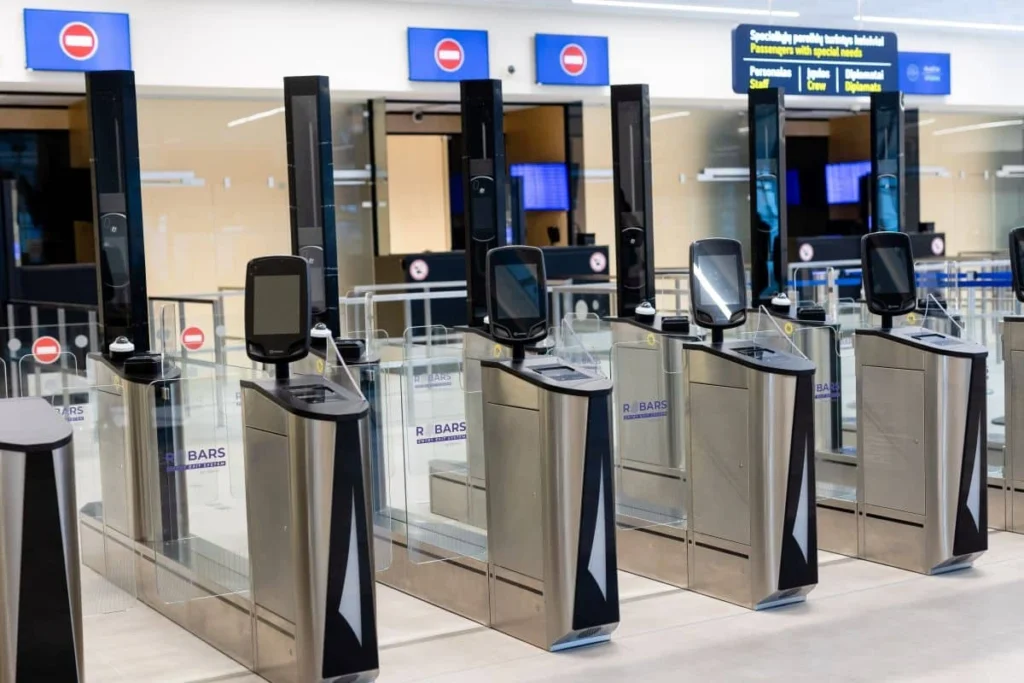
Europe’s new biometric Entry/Exit System is reshaping airport arrivals across the continent, with non-EU travellers facing longer border checks, new fingerprint requirements, facial image capture, and growing pressure at passport control during peak holiday periods.
The system, known as the EES, replaces traditional passport stamping with digital records for short-stay non-EU nationals entering and leaving participating European countries. It records passport details, entry and exit dates, facial images, and fingerprints, creating a centralised border database designed to improve security and track overstays more accurately.
However, the rollout has created a major operational challenge for airports, airlines, tour operators, and holidaymakers. Longer registration times at border desks and automated kiosks are increasing queues at busy gateways, especially when multiple long-haul flights arrive within the same window.
Why Europe’s New Border Rules Are Causing Queues
The biggest change for travellers is the first-time biometric registration process. Non-EU visitors must provide facial images and fingerprints when entering the participating European travel area for a short stay. Border officers or automated systems then connect that information with travel document details.
This process is more complex than a standard passport stamp. It requires passengers to interact with digital equipment, position correctly for facial image capture, and complete fingerprint scanning where required. When machines fail to read data quickly, or when passengers are unfamiliar with the process, individual processing times rise.
At major international airports, even a small delay per passenger can quickly turn into a serious bottleneck. A single wide-body aircraft can bring hundreds of passengers to passport control at once. When several flights arrive together, immigration halls can become overcrowded, creating long waits and missed onward connections.
Major Travel Hubs Face The Biggest Pressure
The disruption is most visible at Europe’s busiest aviation gateways, where leisure travellers, business passengers, connecting flyers, students, and visiting families arrive in large numbers. Airports serving Paris, Geneva, Madrid, Barcelona, and other major European destinations are especially exposed because they handle dense international traffic throughout the summer season.
Mediterranean holiday airports may also face heavy pressure during peak travel waves. Destinations in Spain, France, Italy, Greece, Portugal, and island regions often receive large numbers of non-EU visitors during the same arrival periods. This creates a difficult balance between border security, airport capacity, airline schedules, and passenger comfort.
Smaller regional airports can face a different challenge. They may have less terminal space, fewer border officers, and limited room for additional biometric equipment. As a result, even moderate increases in processing time can affect baggage halls, transfer corridors, shuttle services, coach departures, and local transport links.
Airlines And Airports Warn Of Travel Friction
Airlines and airport operators have raised concerns that the new border process could create excessive waiting times if staffing, technology, and passenger readiness do not improve. Their key concern is that border delays can ripple across the entire travel chain.
When passengers remain stuck at immigration, baggage areas become crowded, airport exits slow down, hotel transfers wait longer, and connecting flights become harder to manage. Airlines may also face pressure if delayed passengers miss onward services, especially on complex itineraries involving multiple European cities.
For airports, the challenge is not only technology. They must manage people, queues, signage, assistance desks, and emergency crowd control. During the summer, this pressure grows further as families, elderly travellers, tour groups, and first-time visitors move through unfamiliar procedures.
What Non-EU Travellers Should Expect
Non-EU travellers entering participating European countries should expect border checks to take longer, particularly during busy periods. The first registration is likely to be the most time-consuming because biometric data must be captured and stored.
Passengers should keep passports and travel documents ready before reaching passport control. They should also follow official airport instructions carefully when using biometric kiosks or border desks. Removing glasses when requested, standing correctly for facial capture, and placing fingers properly on scanners can help avoid repeated attempts.
Families should prepare for longer waits by carrying water, snacks, medication, baby supplies, and charged mobile devices. Travellers with onward rail, cruise, coach, or domestic flight connections should allow wider buffers between arrival and departure times.
Tourism Businesses May Feel The Impact
The new system could affect more than airports. Hotels, tour operators, cruise lines, rail providers, airport transfer companies, and attraction operators all depend on predictable arrival flows. If travellers spend several extra hours at border control, check-in times, tour departures, dinner reservations, and transfer schedules can be disrupted.
For destinations, the visitor experience begins at arrival. Long queues can create frustration before travellers reach their hotel or resort. That matters during the high-value summer season, when European destinations compete for family holidays, city breaks, cruises, cultural trips, and luxury travel spending.
At the same time, a successful digital border system could deliver long-term benefits. Faster repeat checks, reduced passport stamping, stronger identity verification, and better overstay monitoring may eventually create a more secure and efficient travel environment.
Temporary Measures May Ease The Worst Delays
Authorities have the ability to adjust operations during severe congestion, and some border locations may use temporary relief measures when safety or crowding becomes a concern. These measures can help prevent dangerous backlogs, especially at ports, rail terminals, and airports with limited holding space.
However, travellers should not rely on exemptions. The EES is designed as a long-term digital border framework, and non-EU visitors should assume that biometric checks will be part of European travel planning going forward.
Europe Travel Enters A New Digital Border Era
The Entry/Exit System marks one of the biggest border changes for European travel in years. It aims to modernise security and replace passport stamps with digital records, but the early travel impact is clear: passengers need more time, airports need more capacity, and tourism businesses need better contingency planning.
For holidaymakers, the message is simple. Arrive prepared, build in extra time, and expect biometric checks to become a normal part of entering Europe. As the system settles, smoother processing may follow, but this summer’s travel experience is likely to test Europe’s airports, airlines, and visitors alike.
For more travel news like this, keep reading Global Travel Wire