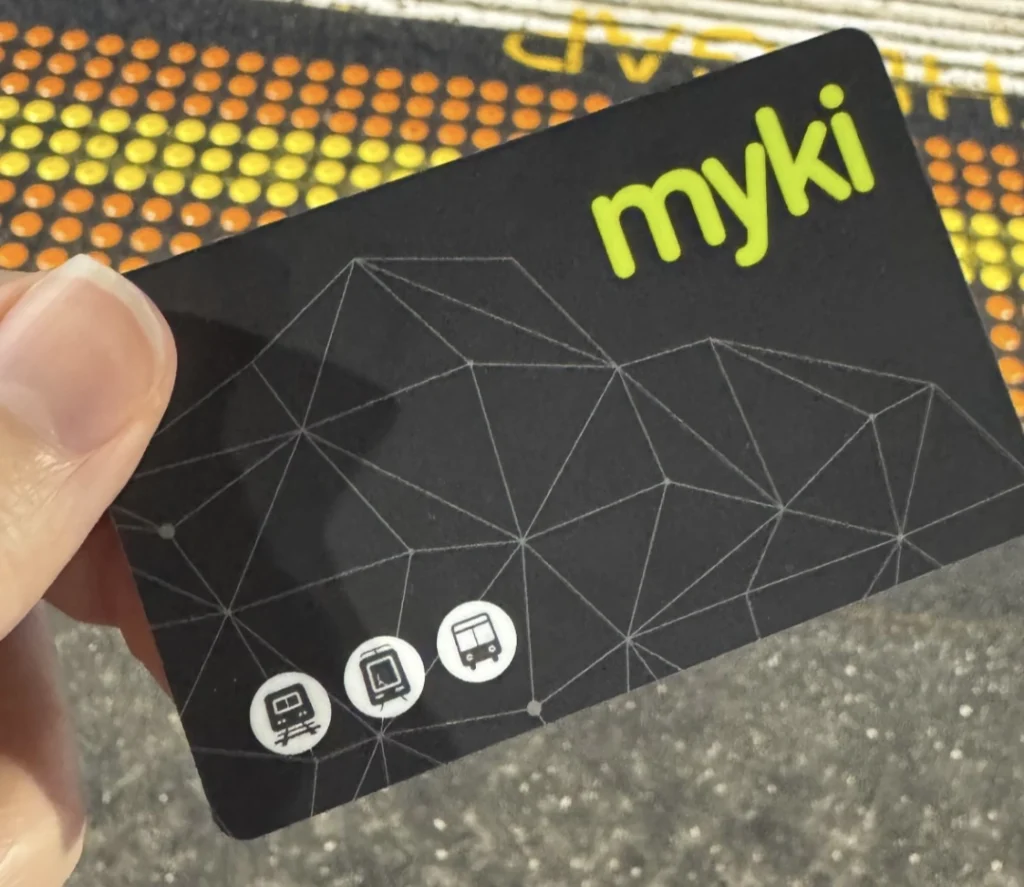
Victoria’s public transport network is undergoing one of its biggest passenger payment shifts in years, as commuters increasingly move away from the traditional plastic Myki card and toward digital tap-on options using smartphones, smart watches, and contactless payment technology.
The change reflects a wider transformation in how people travel through Melbourne and regional Victoria. Instead of relying on a separate transit card that must be purchased, carried, topped up, and replaced when expired, passengers are moving toward faster digital systems already built into their daily devices.
For tourism, hospitality, aviation-linked city travel, and regional mobility, the shift is significant. Easier transport payments can improve the visitor experience for travellers arriving in Melbourne, attending events, reaching hotels, connecting to rail services, or exploring regional destinations without needing to understand complex ticketing routines.
Why Mobile Wallets Are Changing Victoria Travel
Mobile wallets have become central to Victoria’s smart transport transition because they remove a long-standing source of friction from public transport use. Passengers no longer want to queue at machines, search for a physical card, or worry about whether a balance has been topped up before reaching the gate.
The modern commuter expects transport to work like other digital services. A phone or smart watch already manages banking, maps, boarding passes, hotel bookings, event tickets, and rideshare apps. Adding public transport access to the same digital ecosystem makes daily travel faster and more intuitive.
This is especially important in busy Melbourne stations where seconds matter during peak-hour flows. A passenger tapping a phone or watch can move through gates quickly, reducing congestion and improving the rhythm of the network. For visitors unfamiliar with the city, that simplicity can make public transport feel more welcoming.
Plastic Myki Cards Face A Smaller Future
The plastic Myki card is not disappearing overnight, but its role is clearly changing. It is moving from being the default ticketing tool to becoming one of several options in a more flexible payment environment.
Physical cards carry operational limitations. They must be manufactured, distributed, stocked, topped up, replaced, and supported through service channels. They can also be lost, forgotten, damaged, or left with insufficient balance at the exact moment a passenger needs to travel.
Digital systems reduce many of these barriers. They allow passengers to manage travel value remotely, use existing devices, and avoid unnecessary contact with ticket machines. This is particularly valuable during bad weather, major events, airport-to-city transfers, and high-demand travel periods when station queues can quickly affect passenger confidence.
For transport authorities, the move toward digital ticketing can also support better system planning. As account-based and contactless payment models expand, networks can better understand travel behaviour, improve service design, and reduce dependence on older card infrastructure.
Smart Watches Add Speed To Everyday Journeys
Smart watches are becoming a powerful symbol of the shift toward frictionless mobility. For passengers carrying luggage, holding coffee, travelling with children, or moving through crowded station gates, tapping a wrist can be faster and easier than pulling out a wallet or phone.
This practical benefit matters in high-volume transport environments. Rail stations, tram stops, and bus interchanges depend on fast passenger movement. A smoother tap-on process can help reduce small delays that build up across thousands of journeys.
Wearable technology also fits naturally into travel behaviour. Many tourists and business travellers already use smart watches for navigation, notifications, fitness tracking, and contactless payments. Using the same device for transport creates a more integrated travel experience from hotel lobby to station platform.
Security is another factor supporting adoption. Contactless payment systems use protected digital payment processes that reduce reliance on visible card details. For passengers, this combination of speed and security strengthens trust in digital transit tools.
Regional Victoria Set For Wider Ticketing Benefits
The smart transport shift is not only a Melbourne story. Regional Victoria is also central to the longer-term transformation, particularly as modern payment options expand across myki-enabled train stations and broader transport corridors.
For regional travellers, easier ticketing can improve access to Melbourne for work, tourism, education, healthcare, events, and family visits. It can also support outbound tourism from Melbourne to regional destinations, including coastal towns, wine regions, heritage attractions, national parks, and major event locations.
A consistent payment experience matters because visitors do not want to learn different systems for every journey. When a traveller can use a familiar payment device across more of the network, regional travel becomes less intimidating and more attractive.
However, regional rollout requires reliable infrastructure. Payment readers, network connectivity, settlement systems, and passenger support must work consistently across distance, weather, and varied service types. That makes the transition a major technical and operational project as well as a consumer convenience upgrade.
Tourism And Visitor Experience Stand To Gain
Victoria’s ticketing modernisation could strengthen the state’s tourism economy by making public transport easier for domestic and international visitors. Melbourne attracts travellers for food, sport, arts, business events, shopping, education, and cultural experiences. A simpler transport payment system helps visitors move between airports, hotels, attractions, stadiums, conference venues, and regional connections with less stress.
This is particularly important for short-stay travellers. A visitor spending two or three days in Melbourne may not want to buy and manage a separate plastic card. Digital tap-on access can remove that barrier and encourage greater use of trains, trams, and buses.
Hotels, tour operators, event organisers, and attractions may also benefit when guests can move around the city more easily. Better transport access can increase spending across restaurants, retail precincts, museums, theatres, beaches, and day-trip destinations.
A New Era For Victoria Public Transport
Victoria’s move away from plastic-first ticketing signals a broader change in public transport expectations. Passengers now want mobility systems that are fast, digital, flexible, and compatible with the devices they already use.
The Myki card remains part of the network, but the future is clearly shifting toward contactless and mobile-first travel. For commuters, this means less friction. For visitors, it means easier navigation. For the tourism economy, it means stronger connectivity between transport, hospitality, events, and destinations.
As digital ticketing expands across Victoria, public transport is becoming more than a way to move people. It is becoming a smarter gateway to the state’s travel experience.
For more travel news like this, keep reading Global Travel Wire