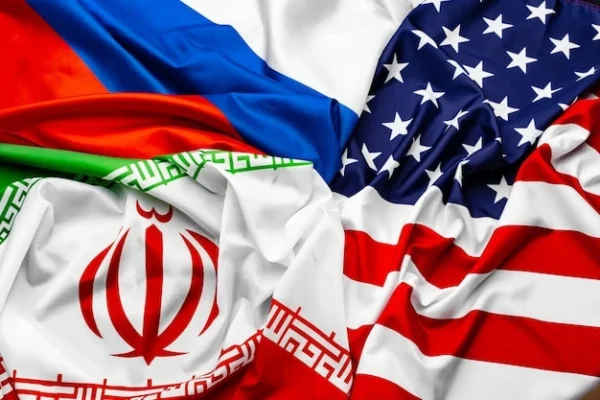
The new peace agreement between the United States and Iran has improved prospects for regional stability, reopened the Strait of Hormuz and reduced fears of prolonged disruption across global energy and transportation markets. However, international travelers should not expect the diplomatic breakthrough to produce an immediate fall in airline ticket prices.
Airlines are still dealing with the financial effects of the conflict, including elevated jet fuel costs, disrupted flight operations, aircraft shortages and rising non-fuel expenses. These pressures remain embedded in airline schedules and pricing systems, creating a delay between geopolitical stabilization and any meaningful reduction in passenger fares.
The agreement therefore offers important long-term relief for aviation and tourism, but its immediate benefit is greater operational certainty rather than cheaper flights.
Jet Fuel Costs Remain a Major Pressure
Although crude oil markets may react quickly to reduced geopolitical risk, airline fuel expenses do not automatically decline at the same speed.
Jet fuel prices rose sharply during the Middle East conflict, particularly after disruption around the Strait of Hormuz affected expectations for global petroleum supplies. Even as the peace agreement improves confidence and supports the restoration of energy flows, aviation fuel prices remain significantly higher than levels recorded at the beginning of 2026.
Airlines may also purchase fuel through contracts arranged before the latest market changes. Consequently, lower future energy prices can take weeks or months to influence actual operating expenses.
Fuel is among the largest airline costs, meaning sustained declines would eventually improve financial conditions. However, a brief period of market softening is unlikely to trigger immediate fare reductions across international networks.
Airlines Are Recovering Conflict-Related Costs
The Middle East conflict created substantial expenses for carriers operating within, through or near the affected region.
Airlines faced cancellations, airspace restrictions, longer routings and reduced aircraft utilization. Diversions around closed or restricted areas increased journey times and fuel consumption, while schedule uncertainty complicated crew and fleet planning.
The International Air Transport Association expects these disruptions and high fuel prices to sharply reduce airline profitability during 2026. Carriers are therefore focused on recovering additional costs and protecting already narrow margins.
For passengers, this means airlines have limited incentive to reduce prices immediately, particularly when demand remains strong on major international routes.
Aircraft Shortages Limit Fare Competition
The global aviation supply chain continues to influence ticket prices independently of oil markets.
Aircraft manufacturers have increased production, but deliveries remain below the level required to eliminate the accumulated shortage created during and after the pandemic. Airlines are keeping older aircraft in service for longer, leasing additional equipment and operating existing fleets more intensively.
Engine maintenance delays have also grounded aircraft that would otherwise provide extra passenger capacity.
These constraints prevent carriers from adding seats as quickly as demand requires. When fewer seats are available on popular routes, airlines can maintain higher fares without risking large numbers of empty places.
Additional capacity would normally encourage stronger competition and promotional pricing. However, the global aircraft backlog means supply limitations are expected to remain an important challenge beyond the immediate geopolitical crisis.
Strong Travel Demand Supports Higher Prices
International passenger demand has remained resilient despite economic uncertainty and conflict-related disruption.
Travelers continue to prioritize holidays, family visits and business journeys, while major tourism destinations are reporting sustained interest across peak travel periods. This demand allows airlines to manage capacity carefully and preserve ticket yields.
Carriers also use advanced revenue-management systems that adjust fares according to booking patterns, remaining seats, departure dates and route popularity. Prices are therefore shaped by market demand rather than fuel costs alone.
Even when an airline’s operating expenses decline, it may retain existing fares when passengers remain willing to pay them. Discounted tickets are more likely to appear on weaker routes or during off-peak periods than across the entire international market.
Non-Fuel Expenses Continue to Rise
Fuel represents only one part of the airline cost structure.
Labor expenses, airport charges, aircraft leasing, insurance, maintenance and technology investment continue to place pressure on airline finances. Operating older aircraft because of delivery delays can also increase fuel use and maintenance spending.
Sustainability requirements add another layer of expense. Airlines are purchasing limited quantities of sustainable aviation fuel, investing in emissions reduction and preparing for stricter environmental standards.
These structural costs do not disappear when oil prices decline. As a result, airlines are unlikely to base long-term ticket strategies on short-lived movements in crude markets.
Travelers May See Gradual Relief
The peace agreement could still produce benefits for international travel if stability continues.
Reopened airspace and safer flight corridors may allow airlines to restore more direct routings, reduce cancellations and improve network reliability. A sustained fall in fuel prices could eventually lower operating expenses, while restored Middle East capacity may increase competition on connecting routes between Asia, Europe, Africa and the Americas.
However, meaningful airfare relief will depend on several conditions aligning over time. Fuel prices must remain lower, aircraft availability must improve, regional operations must normalize and passenger demand must become more balanced with available capacity.
For now, travelers are more likely to notice improved schedule confidence than widespread reductions in ticket prices. The US-Iran peace deal has removed a major source of uncertainty, but the aviation industry’s deeper cost and capacity challenges mean cheaper international travel is unlikely to arrive immediately.
For more travel news like this, keep reading Global Travel Wire