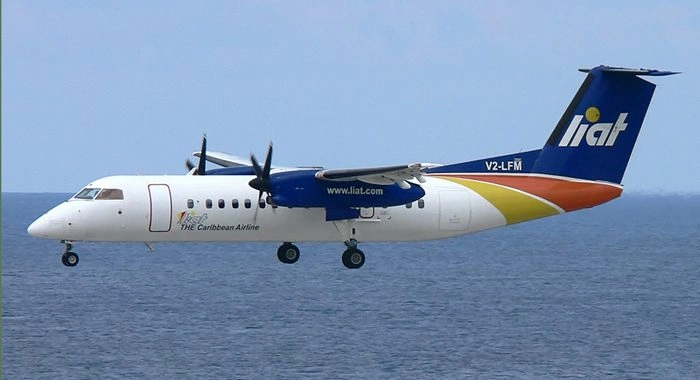
Caribbean travelers are gaining more options for island-to-island journeys as LIAT Air, Sunrise Airways and interCaribbean Airways strengthen regional networks serving destinations across the Eastern Caribbean and the wider basin.
The expanding services are helping address one of the region’s most persistent tourism challenges. Although international visitors can reach major Caribbean gateways relatively easily from North America and Europe, traveling between neighboring islands has often involved limited schedules, indirect connections and additional overnight stays.
Greater regional air capacity can make multi-island vacations more practical while supporting visitor spending, hotel demand, local attractions and tourism businesses across several destinations during one trip. The benefits also extend to residents, commercial travelers and communities that depend heavily on reliable transportation.
Regional Flights Support Tourism Growth
Unlike continental destinations connected by roads and railways, Caribbean countries rely heavily on aviation and maritime services to move people and goods between geographically separated markets.
Regional airlines therefore provide more than a tourism convenience. Their flights connect families, businesses, students, government representatives and residents seeking healthcare or educational services elsewhere in the Caribbean.
CARICOM has identified improved connectivity, increased service on lower-density routes and greater efficiency among regional airlines as important opportunities for Caribbean transportation development. Its air services framework also aims to reduce barriers and support a more integrated regional market.
For tourism authorities, better connections can help transform the Caribbean from a collection of individual destinations into a more accessible multi-country travel region.
LIAT Air Rebuilds Eastern Caribbean Access
LIAT Air continues to restore an established regional aviation name while reconnecting several Eastern Caribbean destinations.
Its network provides access to islands including Antigua, Barbados, Dominica, Grenada, Saint Lucia, Saint Kitts, Saint Vincent and the Grenadines, and Tortola. These links are particularly valuable for smaller destinations that do not receive the same volume of long-haul international flights as the region’s largest tourism gateways.
By connecting these markets, LIAT Air can help travelers combine destinations without returning to an overseas hub. A visitor arriving in Antigua, for example, can gain onward access to other islands offering different beaches, heritage attractions, culinary traditions and outdoor experiences.
The improved connections may also help hotels and tourism operators attract twin-centre and multi-island bookings, potentially increasing visitors’ total time and expenditure within the Caribbean.
Sunrise Airways Broadens Its Regional Network
Sunrise Airways is expanding the range of journeys available across the Caribbean and nearby international markets.
The airline’s destination network includes Antigua and Barbuda, the British Virgin Islands, Dominica, the Dominican Republic, Grenada, Guadeloupe, Haiti, Saint Kitts and Nevis, Saint Lucia, Saint Vincent and the Grenadines, Sint Maarten and the Turks and Caicos Islands.
Sunrise Airways has also introduced a connection between Santo Domingo and Antigua, adding another route between the Dominican Republic and the Eastern Caribbean.
The service creates new possibilities for travelers seeking to combine the Dominican Republic’s resorts and historic attractions with smaller Eastern Caribbean islands. It can also support business links and resident travel between markets that have traditionally required less convenient itineraries.
As Sunrise develops its network, Antigua is gaining importance as a connecting point for services across the Eastern Caribbean.
interCaribbean Connects a Wider Island Market
interCaribbean Airways adds another important layer to regional mobility through a network extending from the northern and western Caribbean to Barbados and Guyana.
The carrier serves destinations across the Bahamas, Turks and Caicos Islands, Jamaica, Puerto Rico, the Dominican Republic, the British Virgin Islands and the Eastern Caribbean. Its route structure gives passengers options for journeys that cross several linguistic, cultural and geographic areas of the region.
For international tourists, these services can simplify combinations such as Barbados and Saint Lucia, Antigua and Tortola, or Providenciales and Jamaica.
Additional competition and route choice may also improve scheduling flexibility, which remains essential for travelers coordinating regional flights with long-haul arrivals, cruise departures or hotel reservations.
Island-Hopping Creates New Visitor Opportunities
Stronger Caribbean island connectivity gives tourism businesses an opportunity to develop more varied itineraries.
Travelers could combine a major resort destination with a smaller nature-focused island, add cultural and culinary stops to a beach vacation, or connect an air journey with a regional cruise. Tour operators may also create packages that distribute visitors across several hotels, attractions and local communities.
Multi-destination travel can increase average length of stay and broaden tourism spending beyond the region’s busiest gateways. Restaurants, ground transportation companies, tour guides, airports and independent accommodation providers all stand to benefit when visitors move more easily between islands.
However, convenient schedules, dependable operations, competitive fares and smoother transfer arrangements will remain critical to sustained growth.
A More Connected Caribbean Takes Shape
The expanding networks of LIAT Air, Sunrise Airways and interCaribbean Airways signal progress toward a more integrated Caribbean transportation system.
As regional services develop, visitors will gain greater freedom to explore multiple destinations during one journey, while residents and businesses receive stronger links to neighboring markets.
Improved aviation connectivity could ultimately become one of the Caribbean tourism industry’s strongest competitive advantages, turning island-hopping from a complicated ambition into a more accessible part of the regional travel experience.
For more travel news like this, keep reading Global Travel Wire