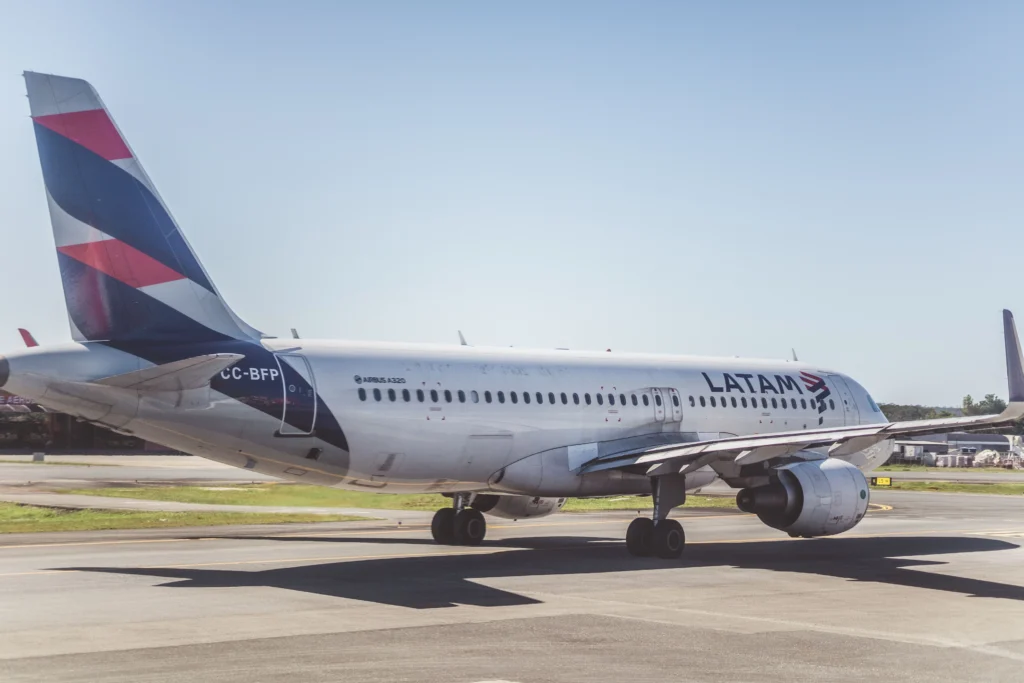
A major scheduling setback has hit the remote corridors of southern South America. Official aviation scheduling reports from June 21, 2026, confirm that LATAM Airlines Group has suspended four critical flights operating out of Carlos Ibáñez del Campo International Airport in Punta Arenas, Chile. The sudden scheduling adjustments have left a significant number of travelers stranded and have effectively severed vital South Atlantic travel links that connect isolated communities across Chile, Argentina, and the Falkland Islands.
Aviation gateways in the Southern Cone serve as the backbone of regional infrastructure. In these extreme geographic zones, rugged terrains, deep fjords, and vast water channels make overland transportation highly impractical or altogether impossible. Consequently, the international airport in Punta Arenas acts as a lifeline. When a major carrier alters its schedule in this territory, the local travel grid experiences immediate, severe friction due to the absolute lack of alternative high-speed transport options.
Behind the Numbers: A 33% Network Reduction
Official operations data indicates that the four grounded flights accounted for approximately 33% of the airline’s total scheduled presence at the Punta Arenas gateway for the reporting period. Aviation monitoring systems noted a unique pattern in this disruption: while cancellations rose sharply, zero flight delays were recorded. This implies that operational coordinators opted to cut the services entirely rather than risk rolling schedule delays across the domestic and international network.
The structural impact fractured multiple regional routes:
Punta Arenas, Chile: The primary regional hub experienced multiple suspensions distributed across two consecutive operational windows.
Río Gallegos, Argentina: The connectivity to this provincial Argentine hub ground to a complete halt, yielding a 100% cancellation rate for the scheduled window.
Santiago, Chile: The nation’s primary aviation capital faced localized cancellations, delaying onward domestic and international connections.
Mount Pleasant, Falkland Islands: This critical outbound route faced total suspension, temporarily stalling transit across the South Atlantic corridor.
High Risks of Isolation in the Southern Cone
Civil aviation authorities heavily emphasize that air connectivity in the far south is not a luxury, but an absolute necessity for regional tourism, medical transit, and international commerce. Because flights connecting remote nodes like Mount Pleasant and Río Gallegos operate on low weekly or monthly frequencies, even a singular disruption creates a massive backlog of displaced passengers.
The primary vulnerabilities exposed by these latest cancellations include deep regional isolation for towns cut off from mainland highways, severe international transit outages across the South Atlantic, and widespread itinerary uncertainty for both leisure tourists and corporate commuters.
Safety Frameworks and Official Directives
According to framework statements from regional aviation representatives, schedule adjustments of this magnitude are strictly mandated by safety-first operating protocols. Fleet technical compliance, sudden changes in sub-Antarctic weather patterns, and crew rotation limits frequently necessitate preemptive groundings to minimize risks in transit.
Civil aviation authorities urge affected passengers to remain clear of physical ticketing counters inside the terminal to prevent congestion. Instead, travelers are advised to utilize official digital applications and online communication channels to process rebookings. Ground personnel are actively working to re-route passengers through alternative scheduling windows as aircraft safety checks conclude and flight crews are systematically reassigned.
Essential Advice for Displaced Travelers
For individuals currently navigating the scheduling disruptions at Carlos Ibáñez del Campo International Airport, regional transport boards recommend a structured approach to manage itineraries:
First, maintain close observation of automated SMS, email, and mobile application alerts directly from the carrier. Second, actively verify the real-time operational status of incoming aircraft before heading to the terminal infrastructure. Third, leverage digital chat tools to bypass high-volume phone queues when coordinating mandatory rebookings. Finally, review established passenger rights guidelines issued by national consumer and aviation ministries regarding alternative transport compensation, meals, or overnight accommodation vouchers.
As technical and logistical teams work to stabilize the southern network, travelers are encouraged to maintain maximum flexibility. Normal operations are expected to resume progressively once aircraft safety clearances are finalized and regional network balance is restored by the carrier.
For more travel news like this, keep reading Global Travel Wire