A monumental wave of passenger mobility has swept across East Asia as holiday travel in China registers extraordinary volume during the 2026 Dragon Boat Festival. Driven by an unprecedented convergence of immersion-based cultural tourism, regional self-drive excursions, and multi-generational family bookings, transport infrastructure is managing peak seasonal demands. Official statements released by the National Immigration Administration reveal that border crossings and domestic transport loops are performing at historic capacities, signaling a structural evolution in consumer travel preferences across the nation.
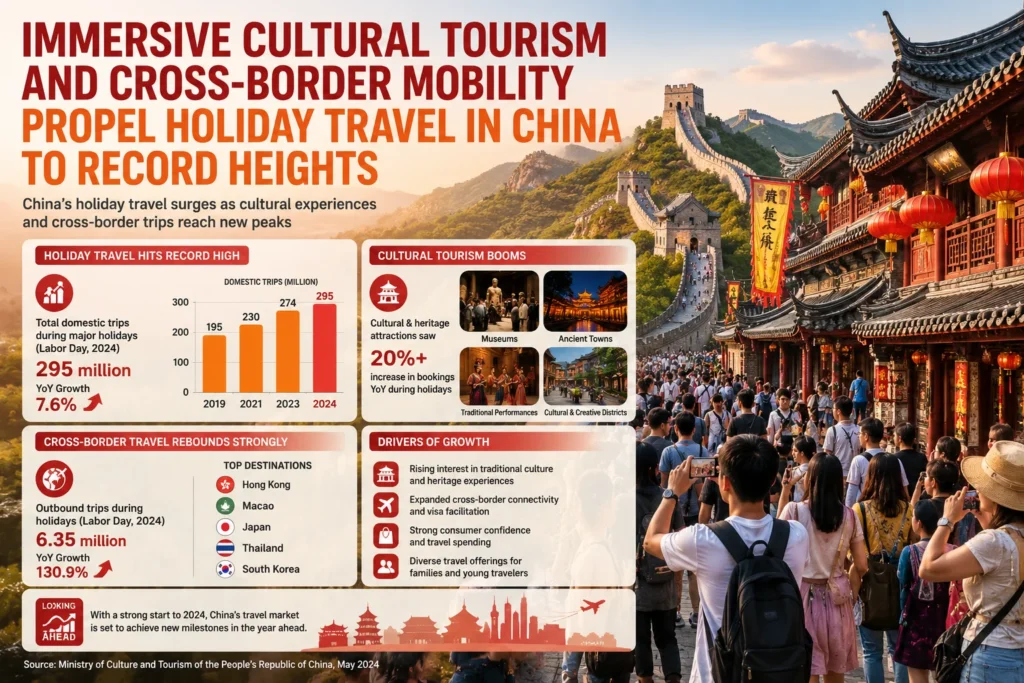
Comprehensive forecast indicators published by state immigration networks confirmed that international and regional ports handled a dramatic upsurge in inbound and outbound passenger volumes. Rather than conventional, passive sightseeing, the 2026 holiday landscape features high-participation, heritage-based itineraries. This massive mobilization of domestic and international vacationers is providing a significant economic boost to regional hospitality ecosystems while systematically testing the operational efficiency of major transit gateways.
Analytical Breakdown of Regional Demographics and Port Performance
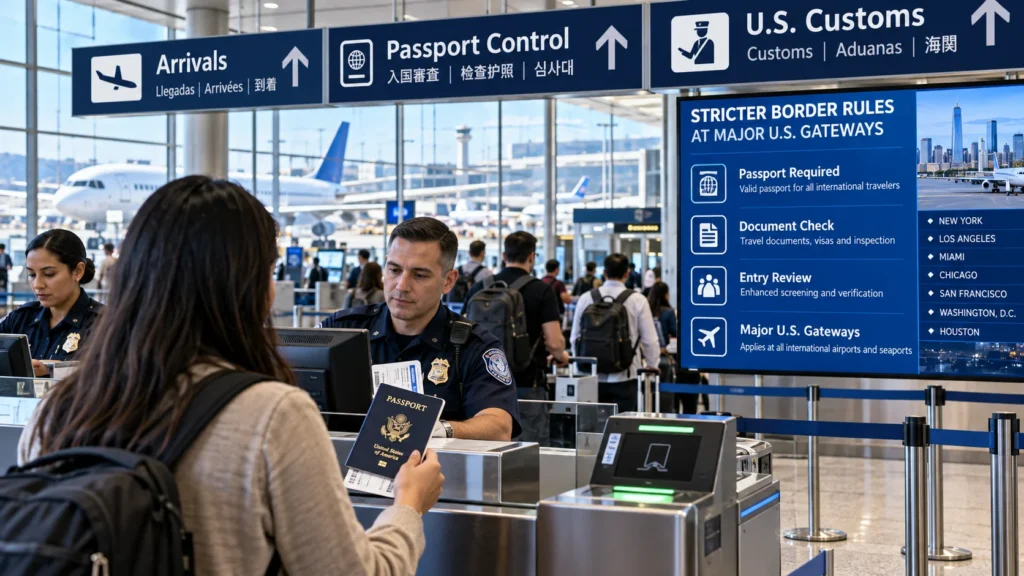
Data compiled by the National Immigration Administration outlines a remarkable recovery pattern for cross-border traffic. Throughout the formal holiday operational window, national border checkpoints managed an average of 2.2 million entries and exits per day, yielding a clear 11.7 percent year-on-year expansion. During concentrated peak travel windows, single-day transit spikes surpassed 2.35 million individual border crossings. This sustained growth in international mobility is heavily supported by optimized electronic clearance infrastructure and a progressive series of bilateral visa-free facilitation policies implemented over the past year.
On the domestic front, the consumer pivot toward experiential family vacations has drastically reshaped regional performance metrics. According to commercial booking trackers, multi-generational family cohorts accounted for more than half of all registered vacation itineraries, driving an 83 percent year-on-year increase in integrated, multi-destination travel packages.
The geographical distribution of this holiday surge highlights distinct travel priorities:
Beijing: The capital city established an extensive cultural grid, launching more than 1,800 themed public events and 150 specialized park activities centered around historical dragon boat races and interactive folk music exhibits.
Hubei Province: Central China reported a significant rise in independent mobility, where over 600 traditional festival showcases catalyzed a nearly 15 percent year-on-year expansion in localized vehicle rental reservations. Theme parks commanded a massive 39.9 percent visitor share, while natural water recreation zones absorbed 23.3 percent of the provincial travel traffic.
Inner Mongolia Autonomous Region: The northern grasslands experienced an exceptional surge in open-space camping and self-drive nomadic expeditions. This natural tourism demand concentrated immense pressure on regional aviation links, forcing Hohhot Baita International Airport to manage an average daily passenger flow of 34,000 travelers throughout the festival timeline.
Managing Gridlock and Overcoming Infrastructure Bottlenecks
The sheer velocity of the holiday travel in China expansion inevitably creates localized logistics and capacity challenges. Massive passenger densities inside major land checkpoints, such as Shenzhen’s Luohu station and Zhuhai’s Gongbei port, require continuous operational adjustments to prevent long immigration lines. Similarly, high-volume vehicular traffic along major provincial expressways—particularly in self-drive heavy corridors like Hubei—increases the complexity of regional highway management.
Furthermore, hospitality operators note that the widespread popularity of bundled family packages can cause sudden inventory shortages in premium boutique accommodations and rural farm stays. In metropolitan centers, managing high-density crowds in municipal public parks during boat racing showcases requires strict coordination between municipal transport boards and local event planners to preserve safety and guest comfort.
Official Viewpoints on Cultural Integration and Flow Control
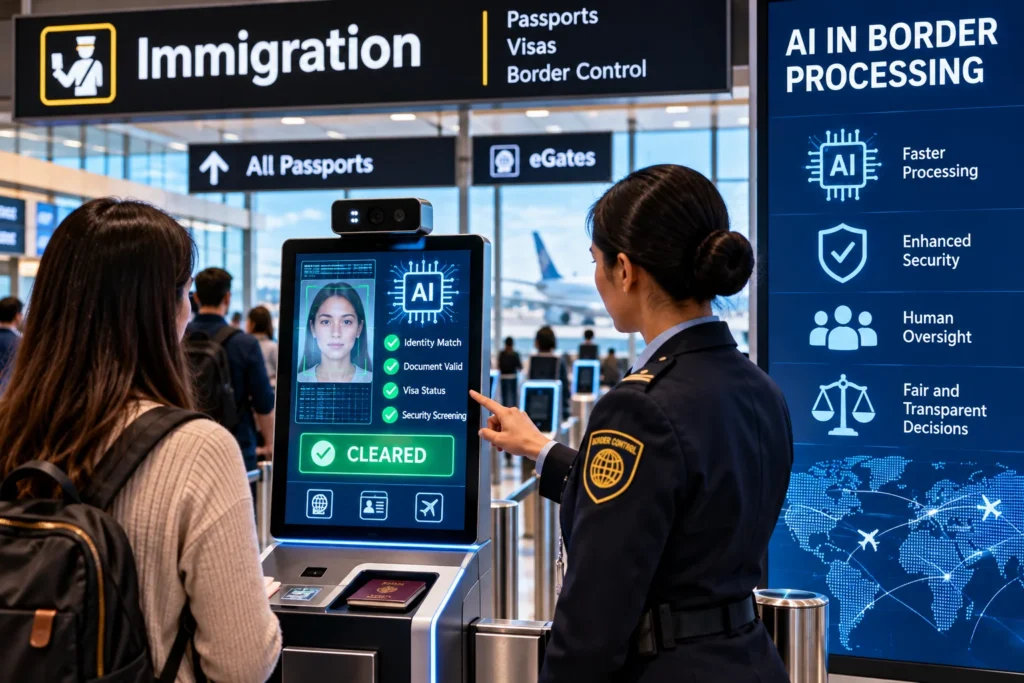
Civil aviation and immigration directors emphasize that maintaining smooth traffic throughput remains the paramount operational goal. Border inspection agencies have deployed emergency support personnel and expanded automated smart-clearance channels to maximize passenger processing speeds during peak hours. Authorities continue to prompt travelers to leverage real-time digital portals to monitor terminal congestion indicators before starting their journeys.
Cultural coordinators from the Ministry of Culture and Tourism state that the 2026 festival performance underscores how heritage assets act as powerful economic multipliers. Incorporating ancient folk customs directly into modern commercial frameworks not only delivers vital revenue streams to regional hospitality providers but also actively safeguards traditional practices for younger generations of global travelers.
Strategic Logistics for Future Festival Planning
To successfully navigate high-volume national holiday windows in China, transportation and logistics boards recommend a highly structured approach to trip planning. Given the ongoing surge in vehicle rental trends across independent provincial routes, reserving self-drive transport assets several weeks prior to departure is essential to guarantee vehicle availability.
Cross-border commuters are strongly encouraged to coordinate their terminal crossings during early morning or late evening windows to completely bypass daily peak immigration surges. Purchasing comprehensive travel bundles that merge lodging, entry tickets, and live event access helps secure reservations before popular sites face capacity locks. Finally, when utilizing secondary regional runways like Hohhot Baita, continuously tracking flight status updates via official carrier applications remains critical to offset localized scheduling updates.
For more travel news like this, keep reading Global Travel Wire