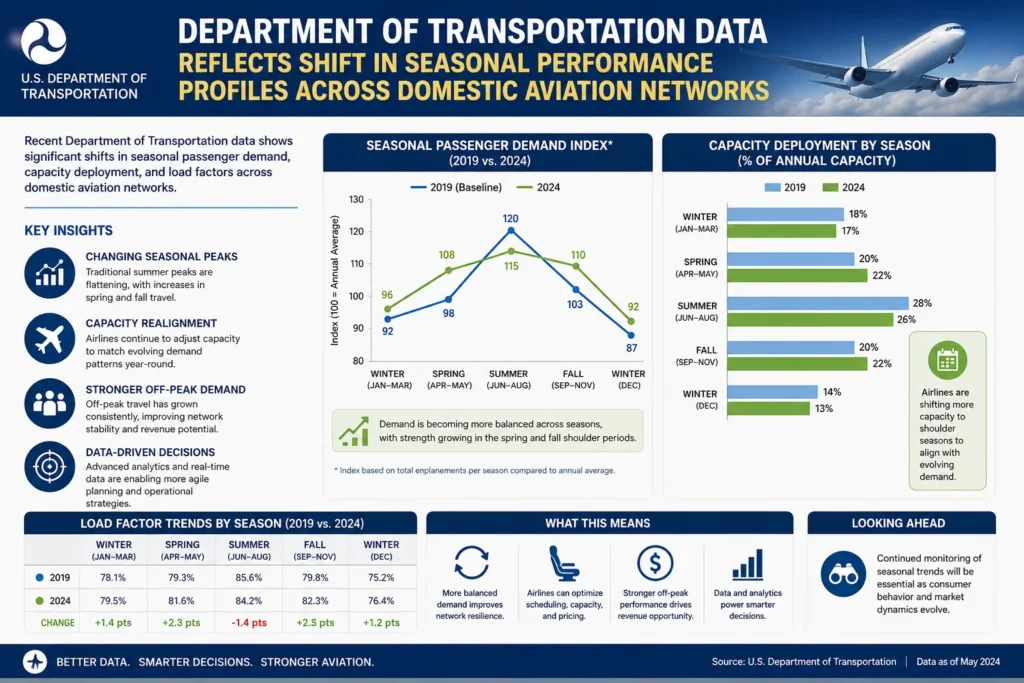
The onset of peak summer travel across the United States has introduced pronounced operational variations among major air carriers, redirecting public attention to domestic airline reliability. According to official performance registries published by federal oversight agencies and the Department of Transportation, weather disruptions and systemic ripple effects have altered scheduled arrival times for hundreds of thousands of holiday bound passengers. While cancellation rates have experienced a general reduction following severe early June convective weather, delayed arrivals have emerged as a primary logistical constraint for regional travel networks.
A comparative analysis of operational data from mid June indicates a shifting pattern of network disruptions among the nation’s largest passenger airlines. During the preceding weeks, the Federal Aviation Administration implemented targeted ground stops at multiple major metropolitan transit hubs to mitigate severe storm fronts, leading to a concentrated wave of flight cancellations primarily impacting legacy carriers like American Airlines and Delta Air Lines. However, subsequent tracking metrics from consecutive weekend schedules revealed that while cancellations dropped significantly, overall delay numbers surged, driven heavily by point to point routing structures.
Federal tracking records highlight that Southwest Airlines logged a high volume of late arrivals over a consecutive three day period, even as its total cancellation rate remained historically low. On the initial Friday of the travel window, official tracking records noted that the carrier experienced over 2,100 delayed operations, representing roughly 48 percent of its scheduled daily departures. In contrast, while legacy competitors faced higher baseline cancellations due to lingering localized airport advisories, their total delay metrics settled lower, with American Airlines and Delta Air Lines logging significantly fewer late arrivals on the same operational day.
As the heavy travel weekend progressed, the structural design of regional networks continued to influence arrival punctuality. By Saturday, Southwest Airlines registered 1,649 delayed operations alongside just eight total cancellations, maintaining a late arrival rate above 40 percent. Legacy operations showed divergent trends, with certain competitors managing to reduce their delay percentages to under 15 percent as clear weather returned to their primary hub facilities. By Sunday evening, the cumulative delay count for the three day window surpassed 5,600 flights for the point to point carrier, a figure driven by sequential crew and aircraft scheduling alignments.
According to historical data published in the Air Travel Consumer Report by the Office of Aviation Consumer Protection, peak summer travel windows routinely challenge large scale domestic flight operations. Long term federal statistics indicate that approximately 32 percent of flights operated during high density holiday weekends experience arrival deviations exceeding 15 minutes. The average duration of these consumer disruptions typically spans 20 to 25 minutes, often a direct consequence of high utilization rates where a single morning delay sets off a cascading effect across later flights utilizing the same aircraft hull.
The Department of Transportation continues to monitor how these operational backlogs affect the broader visitor economy, particularly during high volume family travel windows. Air travel consumer protection frameworks mandate that all scheduled carriers provide regular, transparent updates regarding flight status changes directly to ticketed passengers at boarding gates and via digital notification systems. Federal guidelines reinforce that while weather related delays are generally categorized as non controllable events, carriers remain responsible for maintaining adequate staffing levels and ground handling resources to accelerate recovery timelines.
Tourism boards and regional hospitality associations monitor these domestic aviation statistics closely, as prolonged transit delays can shorten local hotel occupancy windows and impact ancillary spending at vacation destinations. Industry analysts note that point to point networks, which distribute flights across a broad array of secondary and primary airports without relying on a centralized mega hub, offer distinct advantages during severe weather localized to a single city. However, when resource constraints or minor air traffic control limits occur early in the day, the lack of a centralized hub buffer can cause minor schedule adjustments to repeat across the wider network.
The Federal Aviation Administration continues to collaborate with major airline dispatch teams to optimize airspace routing protocols during active summer convective weather patterns. The deployment of advanced scheduling technologies and adjusted aircraft spacing frameworks aims to reduce total taxi times and minimize ground holds at major departure points. For consumers navigating the peak summer travel window, federal authorities recommend checking real time airport status maps and reviewing official carrier customer service commitments to understand their options regarding alternate routing and timely passenger care.
For more travel news like this, keep reading Global Travel Wire