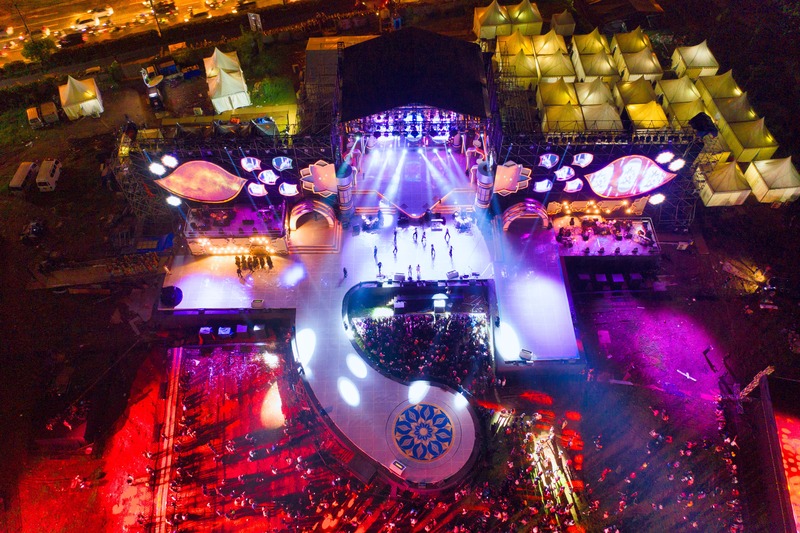
For years, attending Tomorrowland meant embarking on a carefully planned journey to Europe, often involving long-haul flights, significant travel expenses, and months of preparation. For many music enthusiasts across Asia, the experience remained a bucket-list aspiration rather than a realistic annual getaway. That dynamic is now changing as Thailand prepares to welcome one of the world’s most recognized electronic music festivals, creating new opportunities for regional travelers while reshaping the future of festival tourism across Asia.
The arrival of Tomorrowland in Thailand represents more than the launch of another international event. It signals a broader shift in how entertainment and tourism are becoming increasingly interconnected. As global travelers seek immersive experiences that combine culture, music, and destination exploration, major festivals are evolving into tourism drivers capable of influencing travel patterns, hotel demand, airline traffic, and regional economic activity.
For travelers throughout Southeast Asia and beyond, the development brings unprecedented accessibility. Instead of crossing continents to attend a globally renowned festival, visitors can now experience the brand within a destination already known for its hospitality, tourism infrastructure, and diverse attractions. The move positions Thailand at the center of a rapidly growing segment of experiential travel while strengthening Asia’s role within the global festival economy.
Set within Wisdom Valley in Chonburi, near Pattaya, the festival introduces a new chapter in the evolution of music-led tourism. Unlike traditional stadium venues or enclosed arenas, the location utilizes Thailand‘s natural coastal environment as part of the overall experience. Open landscapes, tropical surroundings, and expansive outdoor settings create a festival atmosphere that blends large-scale production with the region’s natural beauty.
The setting transforms Chonburi into a temporary international gathering point for music fans, travelers, and entertainment enthusiasts. By integrating natural terrain with sophisticated stage design and immersive visual storytelling, the event creates an environment where destination and entertainment become inseparable. This approach aligns with the growing demand for travel experiences that extend beyond a single attraction and encourage deeper destination engagement.
Bangkok plays a crucial role in this emerging festival ecosystem. As Thailand’s primary international gateway, the capital serves as the first point of arrival for many visitors heading to the event. Beyond its logistical importance, Bangkok offers a rich cultural and urban experience that naturally complements the festival journey.
The city presents a dynamic mix of historical landmarks, modern business districts, renowned culinary scenes, and vibrant nightlife. Visitors can explore centuries-old temples, cruise along the Chao Phraya River, enjoy world-class shopping districts, or experience rooftop venues overlooking the city’s skyline. This blend of tradition and modernity creates a compelling pre-festival experience, allowing travelers to combine cultural discovery with entertainment-focused travel.
Further south, Pattaya and Chonburi become the operational heart of the festival experience. The region’s coastal character introduces a different dimension to the journey, balancing the energy of live performances with access to beaches, waterfront attractions, and local cultural experiences. Established tourism infrastructure, accommodation options, and transportation networks further support the area’s ability to host large-scale international events.
The coastal environment also extends the visitor experience beyond festival grounds. Local seafood traditions, waterfront attractions, and cultural landmarks contribute to a broader tourism offering that encourages travelers to remain in the region longer. Nearby destinations such as Koh Larn provide opportunities for relaxation and exploration, creating a balance between high-energy entertainment and leisure-focused travel.
One of the most significant implications of Tomorrowland’s arrival is its potential to encourage extended travel throughout Thailand. Rather than functioning as a standalone event, the festival can serve as a starting point for broader national exploration. This model reflects a growing trend in global tourism where major events act as catalysts for multi-destination travel itineraries.
Thailand’s geographic diversity, strong tourism infrastructure, and established international connectivity position it well to capitalize on this trend. Urban centers, coastal destinations, islands, and mountain regions collectively form a tourism ecosystem capable of supporting both large-scale events and extended visitor experiences.
Thailand Redefines the Future of Global Festival Tourism
As Tomorrowland prepares to establish its presence in Thailand, the impact reaches far beyond the festival grounds. For travelers, it creates easier access to a world-renowned cultural experience. For the tourism sector, it strengthens Thailand’s position as a leader in experiential travel. Most importantly, it demonstrates how modern tourism continues to evolve, where a single event can inspire exploration across multiple destinations and create lasting connections between entertainment and travel. Thailand is not simply hosting a global music festival—it is helping redefine how festival tourism is experienced across Asia and beyond.