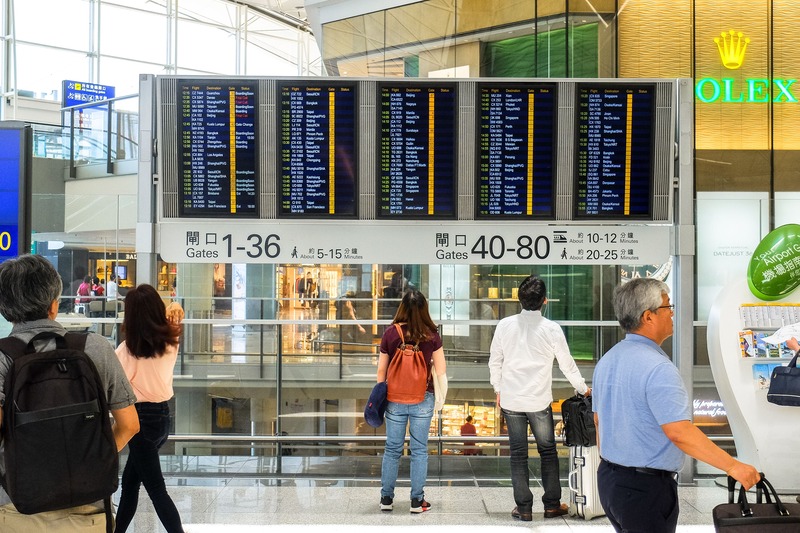
Thousands of travelers experienced unexpected disruptions as El Al Israel Airlines faced operational challenges at Tel Aviv Ben Gurion Airport (TLV), resulting in a series of flight delays and cancellations across several major international destinations. For passengers preparing to begin vacations, business trips, or long-awaited family visits, what started as a routine travel day quickly turned into a period of uncertainty. As schedules shifted and departure boards changed, many travelers found themselves navigating extended waits, missed connections, and last-minute travel adjustments.
The impact extended far beyond Israel’s primary international gateway. Key aviation hubs including London Heathrow (LHR), New York John F. Kennedy (JFK), Newark Liberty International (EWR), Los Angeles International (LAX), Bangkok Suvarnabhumi (BKK), Phuket International (HKT), Athens International (ATH), Paris Charles de Gaulle (CDG), and Milan Malpensa (MXP) were among the airports affected by the disruptions. Given the high volume of passengers moving through these airports during peak travel periods, even limited schedule changes created noticeable operational challenges across multiple regions.
For many passengers, the experience underscored how interconnected the global aviation network has become. A delay originating at one airport can quickly influence operations across continents, affecting travelers thousands of miles away. Long-haul passengers were particularly impacted, with several reporting concerns about missed onward connections, revised itineraries, and uncertainty regarding arrival times. Airport terminals saw growing queues at customer service desks as travelers sought updated information and alternative travel arrangements.
According to operational updates, the disruptions appear to have been caused by a combination of operational constraints, air traffic management challenges, and unforeseen technical issues. While El Al Israel Airlines has not publicly identified a single cause behind the situation, aviation industry observers indicate that overlapping operational pressures may have contributed to the instability. Factors such as airspace congestion, resource allocation challenges, and scheduling complexities are believed to have played a role in the disruption of services.
Several international routes experienced notable schedule adjustments. Long-haul flights including ELY1005 from Tel Aviv to Los Angeles and ELY1025 from Tel Aviv to Newark were among those affected. Additional services connecting Tel Aviv with Bangkok, Phuket, Athens, Paris, and Milan also experienced delays ranging from relatively short operational holds to several hours. In some instances, cancellations further complicated travel plans, creating additional demand for alternative flights and increasing pressure on airline support services.
The disruption has been particularly challenging for airports already handling elevated seasonal traffic volumes. Facilities such as London Heathrow and Paris Charles de Gaulle reported increased passenger activity around airline service counters as affected travelers sought assistance. Check-in areas, boarding gates, and customer support desks experienced heavier-than-normal demand, requiring airport personnel and airline staff to manage a growing volume of inquiries throughout the day.
As delays accumulated across multiple routes, the ripple effect became increasingly visible throughout the broader travel ecosystem. Ground handling teams, airport operations personnel, and airline customer service representatives worked to accommodate schedule changes while maintaining regular airport functions. The resulting operational strain highlighted the complexity of managing modern airline networks, where disruptions on one route can influence aircraft positioning, crew scheduling, and passenger transfers across multiple destinations.
Passenger experiences varied depending on individual itineraries, but common challenges included missed connecting flights, longer waiting times, and limited availability on alternative services. Travelers on multi-segment international journeys faced additional complications, particularly when onward connections involved separate airlines or tightly scheduled transfer windows. The surge in demand for replacement seats on affected routes also reduced flexibility for travelers seeking immediate rebooking options.
Travelers scheduled to fly on affected routes have been advised to closely monitor official airline communications and flight status updates before departing for the airport. Given the fluid nature of operational recovery efforts, schedules may continue to change as adjustments are implemented. Arriving at the airport earlier than usual may help passengers navigate potential congestion at security checkpoints, check-in counters, and boarding gates.
Passengers requiring assistance are encouraged to contact El Al Israel Airlines directly regarding rebooking opportunities, refund requests, accommodation support, and other travel-related concerns. Those impacted by significant delays or missed connections may also wish to review applicable airline policies regarding compensation, meal assistance, or overnight accommodation support where eligibility requirements are met.
Despite the disruption, efforts to restore normal operations are continuing. El Al Israel Airlines is working alongside airport authorities, air traffic management teams, and ground service providers to stabilize schedules and reduce the backlog of affected passengers. Additional operational resources have reportedly been deployed to support recovery efforts and improve passenger assistance across impacted locations.
For travelers caught in the disruption, the situation serves as a reminder of both the opportunities and vulnerabilities of modern air travel. While global airline networks connect millions of passengers efficiently every day, unexpected operational challenges can still create significant ripple effects across continents. As recovery measures progress, many passengers remain hopeful that schedules will return to normal quickly, allowing journeys to continue with minimal further disruption. Until then, staying informed through official airline and airport communication channels remains the most effective way for travelers to manage changing travel conditions and make informed decisions about their upcoming journeys.