The Czech Republic is emerging alongside Italy, France, Germany and Spain in a wider European tourism shift that is using rail travel to connect visitors with smaller craft towns, artisan communities and living heritage destinations beyond heavily visited capitals.
Rather than reflecting one formal multinational programme, the movement is being shaped by expanding rail access, national tourism promotion and growing demand for slower, experience-led journeys. Travellers are increasingly combining railway itineraries with workshops, museums, local markets and meetings with craftspeople who continue to practise skills passed through generations.
This model offers tourism authorities a way to distribute visitor spending more evenly, support regional businesses and encourage longer stays. It also presents Europe as a network of working cultural landscapes rather than a collection of famous monuments.
Nový Bor Strengthens the Czech Glass Tourism Corridor
In northern Czechia, Nový Bor stands at the centre of a region internationally associated with Bohemian glassmaking. The town remains home to active glassworks, specialist schools, designers and production studios where visitors can observe blowing, cutting, engraving and other highly skilled processes.
Official Czech tourism promotion identifies Nový Bor as a city of glass and highlights visitor experiences at working production centres in the surrounding Crystal Valley. These attractions allow travellers to see glassmaking as a living industry rather than a heritage display preserved only in museums.
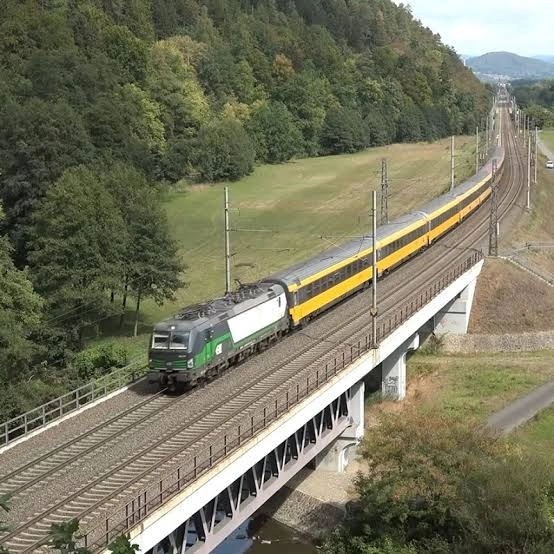
Regional railway services call at Nový Bor, helping visitors incorporate the town into wider journeys through northern Bohemia.
For Czech tourism, this accessibility creates opportunities for guided workshop visits, glass-focused itineraries and overnight stays linked with nearby cultural and natural attractions.
Faenza Turns Ceramic Heritage into Immersive Tourism
Faenza in Italy’s Emilia-Romagna region offers another strong example of craft-led destination development. The town is internationally known for ceramics, with its name historically connected to faience, the glazed earthenware tradition recognised across Europe.
Visitors can encounter ceramics throughout the city in workshops, architecture, cultural events and the International Museum of Ceramics. Italy’s official tourism platform describes Faenza as a centre renowned worldwide for ceramic production and promotes festivals that bring demonstrations, exhibitions and practical activities into public spaces.
Rail access strengthens Faenza’s potential as part of a slower Italian itinerary. The Faentina railway connects the broader Florence–Ravenna cultural corridor and gives travellers an alternative to concentrating their entire visit in major cities.
Thiers Preserves France’s Blade-Making Identity
In France, Thiers remains closely linked with cutlery and knife production, a tradition maintained through specialist workshops, museums and working manufacturers.
The town’s craft identity is defined by technical precision, manual finishing and knowledge built over centuries. France’s official tourism promotion presents Thiers as a centre where visitors can learn about knife-making and even participate in experiences connected with the craft.
Regional rail access through the wider Auvergne transport system allows Thiers to form part of a journey combining Clermont-Ferrand, volcanic landscapes, gastronomy and industrial heritage.
For tourism planners, the town demonstrates how a specialised manufacturing tradition can support cultural visits, retail spending and educational experiences without abandoning its working character.
Tönning Adds Coastal Heritage to Germany’s Slow Travel Offer
Germany’s contribution to this emerging tourism map extends beyond industrial crafts to coastal traditions and landscapes.
Tönning, in Schleswig-Holstein, offers a quieter North Sea setting shaped by its historic harbour, maritime past and connection to the Wadden Sea environment. The town promotes itself as a place for relaxation, nature, walking and cycling, while its historic packhouse recalls its trading heritage.
The Multimar Wattforum, the principal visitor centre for the Schleswig-Holstein Wadden Sea National Park, adds an educational attraction linked to coastal ecology and regional identity.
Germany’s national tourism organisation also actively promotes slow train travel through scenic routes, reinforcing rail as part of the visitor experience rather than simply a transfer method.
Barcelona Reveals Craft Culture Beyond Famous Landmarks
Barcelona represents a different version of craft tourism. Although already one of Europe’s most visited cities, it offers opportunities to move beyond major architectural attractions and explore smaller studios, design traditions and specialist jewellery workshops.
The city’s importance as a rail hub strengthens its role within cross-border cultural journeys. Renfe operates national and international services connecting Barcelona with destinations in Spain and France, including routes toward Lyon and Marseille.
This connectivity allows travellers to combine urban craft experiences with smaller artisan destinations across several countries.
Rail Travel Supports a More Balanced Tourism Future
The wider opportunity lies in connecting these destinations into flexible, lower-density itineraries.
Visitors can travel from major gateways to regional towns, spend longer with local producers and direct more money toward workshops, independent accommodation, cafés and cultural institutions.
For Europe, rail-powered craft tourism offers a way to reduce pressure on overcrowded centres while protecting skills that depend on continued commercial and public interest.
As the Czech Republic, Italy, France, Germany and Spain promote distinctive local traditions, the continent’s next major tourism story may be found not only in capitals, but along railway lines leading to places where heritage is still being made by hand.
For more travel news like this, keep reading Global Travel Wire