Indonesia is accelerating its tourism transformation by combining high-speed rail connectivity with artificial intelligence-powered travel planning, creating faster journeys and more personalised visitor experiences across one of Southeast Asia’s largest travel markets.
The Whoosh High-Speed Railway between Jakarta and Bandung and the Ministry of Tourism’s MaiA digital travel assistant represent two important pillars of this strategy. One improves physical mobility, while the other simplifies destination discovery, itinerary planning and access to local experiences.
Together, these initiatives are helping Indonesia move beyond traditional tourism promotion towards a more connected visitor ecosystem built around speed, convenience and personalisation. The shift could support longer stays, multi-city itineraries and wider distribution of tourism spending across regional destinations.
Whoosh Cuts Jakarta–Bandung Travel Time
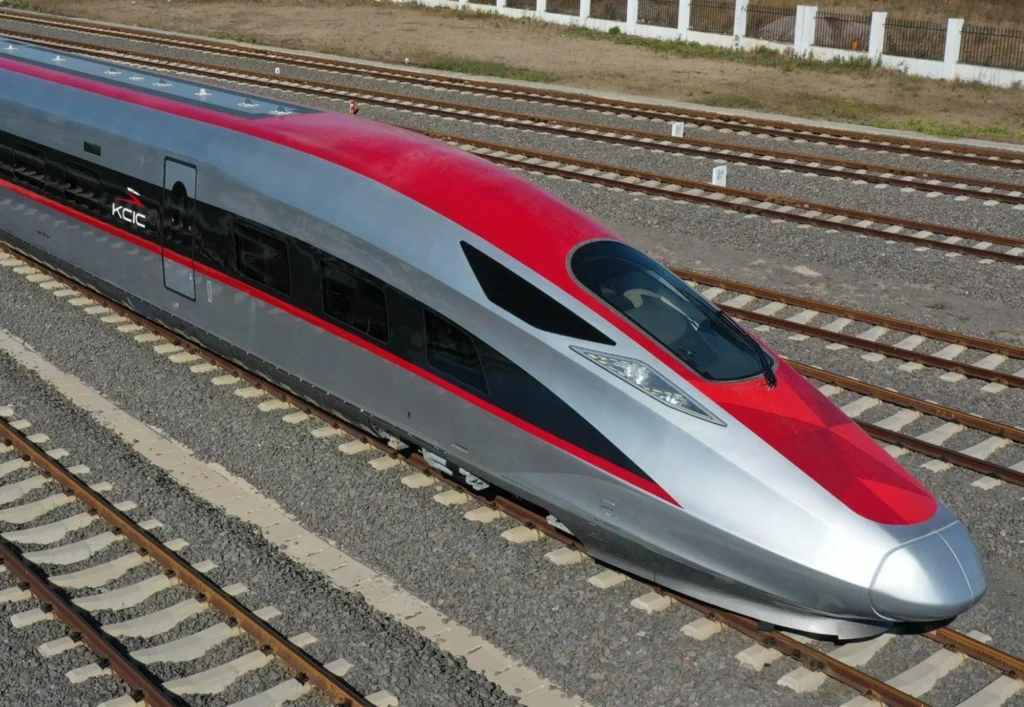
Whoosh has become one of Indonesia’s most visible transport achievements and Southeast Asia’s first operational high-speed railway.
The service connects Jakarta with the Bandung region at speeds of up to 350 kilometres per hour. Journeys that can take around three hours by road, depending on congestion, can now be completed in approximately 45 minutes.
This reduction gives travellers more time to explore attractions, restaurants, hotels and shopping areas rather than spending a large part of their trip in traffic.
For international visitors arriving in Jakarta, Bandung can now be added to a wider itinerary without requiring a separate long-distance travel day. Domestic travellers also gain easier access to weekend escapes, events and family trips.
The railway’s predictable timetable is particularly useful for business travellers planning meetings between the two metropolitan areas. It also strengthens connections between transport hubs and tourism businesses throughout the corridor.
Faster Rail Supports Multi-City Tourism
Improved rail access could encourage visitors to move beyond single-destination holidays.
Jakarta remains one of Indonesia’s primary gateways, while Bandung attracts travellers with its culinary scene, creative industries, shopping, surrounding highlands and cooler climate. A faster connection makes it easier for tourists to experience both cities during one trip.
The service can also support hotels, restaurants, attractions and local transport providers by increasing visitor circulation. Same-day excursions and short overnight stays become more practical, opening additional opportunities for tourism operators.
As Indonesia works to diversify visitor movement beyond its most established destinations, reliable inter-city infrastructure will play an increasingly important role in connecting travellers with regional economies.
MaiA Brings AI Into Trip Planning
Alongside transport investment, Indonesia is introducing artificial intelligence into the visitor journey through MaiA, a digital travel assistant developed for tourism planning.
The platform is designed to provide recommendations based on traveller interests and help users identify destinations, attractions, culinary experiences and possible travel routes.
This approach differs from conventional tourism portals that mainly present static information. AI-supported planning can respond more directly to preferences such as cultural tourism, food, nature, family attractions or short city breaks.
For overseas visitors unfamiliar with Indonesia’s geography and wide range of destinations, personalised recommendations could reduce the time required to organise a trip.
The platform may also help travellers discover places that receive less international visibility, supporting efforts to direct visitor spending beyond heavily promoted tourism centres.
Smart Planning Responds to Changing Traveller Expectations
Modern travellers increasingly expect digital services to adapt to their needs.
Many visitors no longer want identical sightseeing schedules. They search for experiences that match their interests, available time, budget and travel style.
An AI-powered travel platform can support this demand by organising suggestions into a more useful itinerary. A family may receive recommendations for accessible attractions, while a food-focused traveller could be directed towards local markets and culinary districts.
Repeat visitors may also benefit by discovering lesser-known experiences instead of returning only to major landmarks.
When combined with faster transport, personalised itinerary planning can help travellers use their time more efficiently and potentially extend their stays.
Tourism Recovery Strengthens the Case for Innovation
Indonesia’s tourism sector continues to demonstrate strong visitor demand.
Official statistics recorded more than 15.3 million foreign tourist arrivals during 2025, while domestic tourism generated extensive travel activity throughout the country.
This scale creates both opportunities and challenges. Tourism authorities must manage visitor flows, improve destination services and ensure that regional businesses can benefit from continued growth.
Digital platforms, transport infrastructure and tourism data can support this process by helping authorities understand demand patterns and improve destination planning.
Hotels, travel agencies, attractions and transport providers can also use digital systems to strengthen reservations, customer service and operational efficiency.
Digital Skills Support the Wider Visitor Economy
Indonesia’s technology ambitions extend beyond visitor-facing applications.
Government-backed skills programmes are intended to prepare more Indonesians for work involving artificial intelligence, cloud computing and other digital tools. Tourism businesses could benefit as employees develop stronger capabilities in online sales, data management, digital marketing and guest communication.
A more digitally skilled workforce may help smaller hotels, tour operators and local enterprises connect with travellers more effectively.
It could also improve service quality in destinations where tourism businesses are beginning to adopt online booking, cashless payments and automated customer support.
Indonesia Builds a New Regional Tourism Advantage
Indonesia’s combination of high-speed transport and intelligent travel planning creates a stronger foundation for future tourism growth.
Whoosh makes travel between Jakarta and Bandung quicker and more predictable, while MaiA aims to make destination planning simpler and more relevant to individual visitors.
The long-term impact will depend on continued investment, reliable technology and close cooperation between authorities, transport operators and tourism businesses.
However, the direction is clear. Indonesia is positioning itself as a destination where modern infrastructure and digital innovation improve every stage of the journey, from initial inspiration to movement between cities and discovery of local experiences.
For more travel news like this, keep reading Global Travel Wire