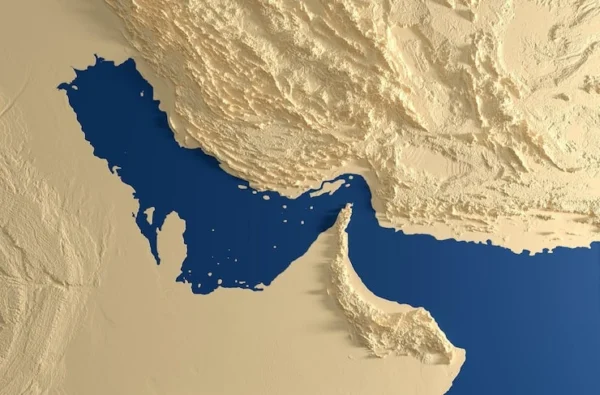
Iran and Oman have opened a formal diplomatic process concerning the future administration of navigation through the Strait of Hormuz, placing renewed attention on energy security, maritime access and the potential cost pressures facing aviation and tourism across Europe.
The two countries, which border the strategically vital waterway, have reaffirmed their commitment to safe passage under applicable international law. They have also agreed to continue discussions through a joint working group involving their foreign ministries.
The talks will examine the administration of navigation, maritime services and the costs associated with delivering those services. However, no final joint-management agreement, digital transit approval system or toll-free navigation framework has yet been officially adopted.
That distinction matters for governments, airlines and travel businesses. The discussions remain at an early stage, but any future change affecting access, navigation costs or shipping confidence could quickly influence oil markets, jet fuel supplies, freight rates and consumer travel prices.
Why the Strait Matters to Global Tourism
The Strait of Hormuz is one of the world’s most important maritime energy corridors, connecting Gulf oil and gas producers with markets across Asia, Europe and other regions.
Disruption does not need to involve a complete shutdown to affect tourism. Delays, security concerns, higher insurance premiums or uncertainty over future navigation rules can increase the cost of transporting crude oil, liquefied natural gas and refined petroleum products.
Airlines are particularly sensitive because jet fuel represents one of their largest operating expenses. Higher fuel prices can place pressure on fares, reduce route profitability and make long-haul leisure services more expensive to operate.
Hotels, cruise companies, tour operators and ground-transport providers can also experience indirect cost increases as energy and logistics prices move through the wider travel economy.
Iran and Oman Establish a Working Group
Official statements describe Iran and Oman as coastal states committed to maintaining safe maritime passage while protecting their sovereign rights within their territorial waters.
Their joint process is intended to develop an agreement concerning the future administration of navigation and associated maritime services. Discussions may eventually address vessel coordination, operational responsibilities, safety measures and service-related costs.
Nevertheless, details of a shared authority, mandatory pre-clearance platform or divided enforcement zones have not been formally confirmed.
Oman has traditionally positioned itself as a diplomatic intermediary in regional disputes and continues to emphasise safe, stable and legally compliant navigation. Iran has focused more heavily on the rights and responsibilities of states bordering the Strait.
The success of the process will depend on whether both sides can produce a framework accepted by other Gulf states and the international shipping community.
Europe Monitors Jet Fuel and Oil Markets
The European Commission has been monitoring the effect of Middle East developments on oil and refined-product supplies.
EU energy authorities have stated that Europe has not faced a general fuel shortage, but they have identified jet fuel as an area requiring particular attention. Missing Middle Eastern volumes have been partly replaced through alternative imports and increased European production.
This provides some resilience, although replacement supplies can take time to reach European markets and may carry higher logistical costs.
No official agreement limited to Sweden, Luxembourg, Germany, Finland and Denmark has been announced in direct response to the Iran–Oman talks. Instead, the European response has centred on wider EU-level coordination involving member states, energy experts and industry representatives.
The impact will therefore spread through interconnected European oil, aviation and electricity markets rather than remain confined to a handful of national economies.
Germany and the Nordic Region Face Indirect Exposure
Germany’s large manufacturing sector makes it sensitive to changes in energy and transport costs. Expensive fuel can affect industrial production, business travel, freight operations and household spending available for holidays.
Sweden and Finland have lower direct dependence on Gulf energy than some markets, but they remain exposed to international oil benchmarks and European wholesale pricing.
Denmark combines an important maritime industry with deep integration into European energy markets, while Luxembourg’s aviation, financial and logistics sectors can be affected by changes in fuel costs and market volatility.
These are indirect transmission channels rather than proof of immediate national emergencies. The extent of the impact will depend on how long uncertainty continues and whether maritime traffic remains stable.
Airlines Could Face Renewed Fare Pressure
A prolonged rise in jet fuel prices would create difficult choices for European and international carriers.
Airlines could absorb some costs, adjust fuel surcharges, increase fares or reduce capacity on weaker routes. Long-haul services to Asia, the Gulf and Africa may be particularly exposed because they consume more fuel per journey and already involve complex operational planning.
Package holiday prices could also rise if airlines and tour operators need to recover additional transport costs. Travelers may respond by booking shorter trips, selecting closer destinations or postponing discretionary long-haul holidays.
Higher operating costs could simultaneously affect Gulf stopover hubs, European outbound markets and tourism destinations dependent on international air access.
Navigation Remains the Critical Test
The most important issue is whether the Iran–Oman dialogue produces predictable, internationally accepted navigation arrangements.
Clear safety procedures and uninterrupted vessel movement would help stabilise energy and shipping markets. By contrast, disputed fees, inconsistent approvals or uncertainty over enforcement could increase insurance and freight costs even without a physical closure.
For the tourism industry, the talks are therefore not a distant maritime issue. They are directly connected to airline economics, package prices, cruise operations, consumer confidence and destination competitiveness.
The Strait of Hormuz remains open to maritime traffic, while negotiations continue over its future administration. Until a formal agreement is published, claims of an approved transit system, toll-free regime or exclusive joint control should be treated cautiously.
For more travel news like this, keep reading Global Travel Wire