The fatal aftermath of a disruptive passenger incident aboard Jet2 flight LS966 has intensified scrutiny of how airlines, airports, law enforcement agencies and travel businesses manage violent or medically vulnerable passengers on busy European holiday routes.
The flight travelled from Larnaca, Cyprus, to Manchester on 21 June 2026 and arrived during the early hours of 22 June. Jet2 confirmed that the aircraft requested a priority landing because of a disruptive passenger incident.
Greater Manchester Police subsequently opened an investigation into events aboard the aircraft, while the Independent Office for Police Conduct began a separate examination of police actions after officers boarded the flight.
The passenger, a 35-year-old man, was taken to hospital after becoming unresponsive and died on 23 June. The exact cause of death had not been publicly confirmed at the time of the initial investigations.
For the travel industry, the incident raises urgent questions about cabin intervention, passenger restraint, medical escalation, alcohol-related risk, staff training and corporate duty of care.
Flight Crew Requested Priority Arrival
Police were called to Manchester Airport at approximately 2:25 a.m. following reports of an assault aboard the inbound flight.
According to the official police account, officers were informed that a male passenger had behaved aggressively toward travelers and crew members. Reports also indicated that another passenger and a member of the cabin crew had been assaulted.
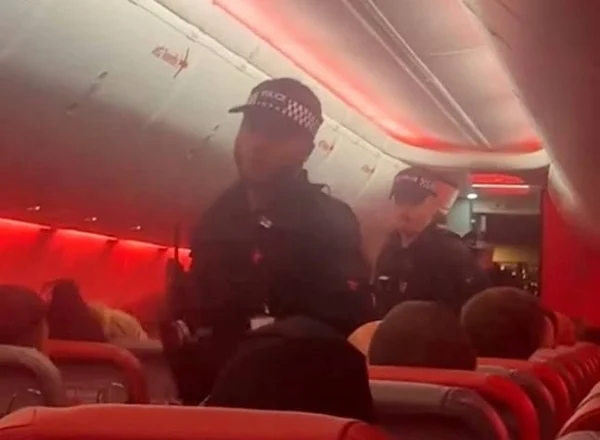
When officers boarded the aircraft, they found the man being restrained at the rear of the cabin by passengers and airline personnel.
Police used handcuffs to detain him before quickly identifying that he was unresponsive. The restraints were removed, first aid was initiated and cardiopulmonary resuscitation was performed before the passenger was transferred to hospital.
Jet2 said the flight had requested priority handling because of the disruption but declined to provide extensive details while the investigation remained active.
Separate Investigations Examine Different Stages
The case has generated two parallel lines of enquiry.
Greater Manchester Police is investigating the wider circumstances aboard flight LS966, including the alleged assaults, the escalation of the disruption and the actions taken before officers arrived.
The Independent Office for Police Conduct is separately reviewing police involvement following the passenger’s contact with officers. That examination includes police decision-making and available evidence such as body-worn video.
The responding officers were initially being treated as witnesses rather than being investigated for misconduct. However, the review remains important because any death following police contact requires independent oversight.
The distinction between the two investigations matters for airlines and tour operators. It separates the in-flight management of the incident from the law-enforcement response after landing, while recognising that both stages formed part of one rapidly developing emergency.
Restraint Procedures Face Renewed Scrutiny
UK aviation reporting rules already recognise serious disruptive passenger incidents as safety occurrences.
Physical abuse of crew, the use of restraint equipment, continuous disruption requiring an expedited approach and any event preventing crew members from completing safety duties can require formal reporting.
However, flight LS966 highlights the complexity of physical restraint inside a confined aircraft cabin.
Cabin crews may need assistance when a passenger poses an immediate threat, particularly when the individual is physically strong or attacks others. Yet intervention by untrained passengers can introduce additional medical, legal and operational risk.
Airlines may therefore face pressure to strengthen training on restraint positioning, breathing observation, medical warning signs and the transition from security management to emergency care.
The incident also reinforces the need for continuous communication between cabin crew, the flight deck, air traffic control, airport police and medical services.
Alcohol Management Remains a Major Industry Concern
The UK Civil Aviation Authority warns that intoxicated, aggressive or disruptive passengers can threaten aircraft safety and cause diversions.
Passengers who behave disruptively may face arrest, prosecution, imprisonment, airline bans and liability for diversion-related costs.
For the travel trade, prevention begins before aircraft doors close. Airlines, airports, tour operators, bars, retailers and ground-handling teams all play a role in identifying behavior that could escalate after departure.
Routes between the United Kingdom and Mediterranean destinations such as Cyprus, Spain and Greece carry large volumes of holiday traffic, especially during peak summer periods. High passenger density, late departures and alcohol consumption can combine to increase operational risk.
However, no confirmed industry-wide regulatory changes across those countries had been announced solely because of flight LS966 at the time of writing. Any future measures should therefore be described as potential outcomes rather than established policy.
Travel Companies Must Review Duty of Care
Tour operators and travel management companies should examine whether their crisis procedures clearly define responsibilities during disruptive passenger events.
Pre-departure messaging should state that aggressive behavior and excessive intoxication may lead to denied boarding or legal consequences.
Airline partners should maintain recurrent crew training covering conflict de-escalation, restraint equipment, medical monitoring and post-incident evidence preservation.
Travel companies should also ensure that affected customers receive accurate information, safeguarding support and appropriate assistance after a serious onboard event.
Crew welfare is equally important. Violent incidents can cause physical injury, emotional distress and extended operational disruption for staff expected to continue supporting passengers.
European Aviation Faces a Wider Safety Challenge
Flight LS966 does not, by itself, rewrite European aviation regulation. It does, however, demonstrate how quickly a cabin-security incident can become a medical emergency, police investigation and major duty-of-care test.
The travel industry’s response should focus on evidence rather than speculation.
Stronger prevention, clearer intervention boundaries, improved medical awareness and consistent reporting can reduce risk across heavily travelled European leisure corridors.
As the investigations continue, airlines and travel businesses should avoid reaching premature conclusions about responsibility or cause of death. The most valuable industry response will be to study the confirmed operational facts and ensure that procedures protect passengers, cabin crew, responding officers and any person requiring restraint or urgent medical care.
For more travel news like this, keep reading Global Travel Wire