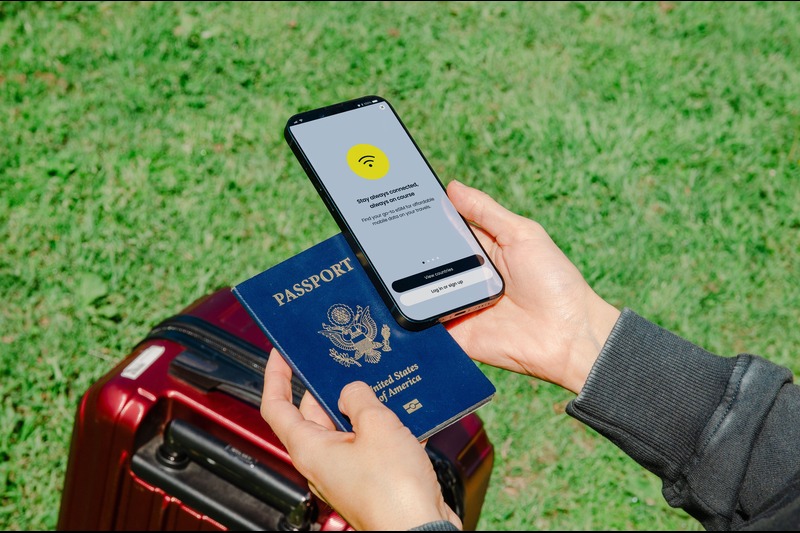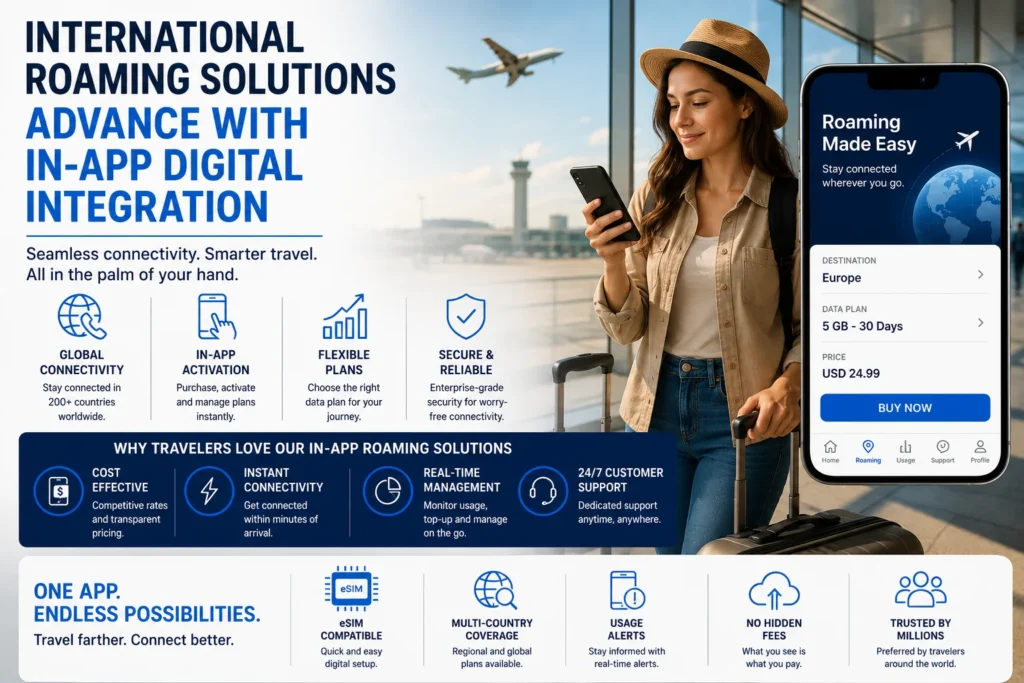
The global tourism ecosystem is experiencing a notable technological shift as digital applications move to reduce the historic overhead associated with cross-border communication. Truecaller, a communications platform with a global user footprint exceeding 500 million active consumers, has formally partnered with multi-network eSIM developer Telna. This system integration embeds digital connectivity tools directly into the application framework, offering a new alternative to traditional telecommunications roaming tariffs.
According to global tourism indicators and data insights from specialized industry bodies like Kaleido Intelligence, international data accessibility has transitioned into a core requirement for contemporary holiday and business travel planning. Market projections show that aggregate consumer spending on digital travel connectivity services is on track to cross the $10 billion milestone from 2028 onward. This structural alliance bypasses legacy connectivity hurdles by utilizing an application-driven distribution model to supply high-speed data networks to travelers.
Lowering Transaction Boundaries via API-First Infrastructure
The newly integrated connectivity system is built around an API-first framework, meaning that data routing links directly to pre-established network agreements without requiring separate external software setups. This allows app users traveling internationally to secure localized cellular data packages across more than 190 countries and territories. Because the mechanism is fully software-dependent, it operates without requiring physical SIM cards or standard carrier physical swaps.
Official supply chain records indicate that Telna operates as an independent wholesale platform, currently managing the distribution of over five million distinct eSIM profiles every month. The provider’s physical architecture carries approximately five percent of total global roaming traffic, running through multiple geolocated points of presence to limit network latency for international smartphone connections. By utilizing this existing network foundation, consumer-facing brands can introduce stable, globally active digital products in a fraction of the time required to build proprietary network links.
Addressing Traveler Pain Points and Preventing Financial Shock
A primary driver behind the rapid adoption of digital SIM alternatives is the systemic avoidance of unpredicted billing fees by international wanderers. Official travel data surveys demonstrate that a substantial portion of outbound tourists classify themselves as “silent roamers”—individuals who proactively disable their standard cellular data connections upon arriving at a destination to avoid international roaming fees. These travelers frequently choose to rely on fragmented municipal Wi-Fi networks instead of native carrier services.
The implementation of in-app data purchasing provides immediate price clarity prior to a traveler’s departure. Users select their required data volume and complete activations within minutes via their mobile interface. The connection functions concurrently with the user’s main cellular line, meaning primary telephone numbers remain active for standard incoming notifications while data demands route through the localized, flat-rate data bridge. This functionality addresses major consumer pain points by delivering clear pricing and immediate network connection immediately upon landing.
Boosting Tourism Technology Infrastructure Across Global Corridors
The debut of this service aligns with broader shifts in global tourism management strategies, which increasingly promote digital self-service solutions to minimize friction along travel pathways. From urban centers across Europe and North America to remote resort zones in the Asia-Pacific region, tourism boards note that seamless communication infrastructure directly influences visitor mobility and regional spending habits. Travelers equipped with predictable data connections can safely utilize digital maps, arrange local transport, and access municipal reservation platforms without communication barriers.
For digital service platforms, adding international connectivity forms a key pillar of a wider consumer-retention architecture. By turning basic applications into multi-functional utility hubs, operators increase everyday relevance for international frequent flyers. This operational setup removes the need for travelers to research regional telecommunication rules or purchase temporary physical SIM cards from airport kiosks upon arrival, supporting a more unified international travel journey.
Future Outlook for Global Travel Connectivity Markets
As smartphone architectures shift away from physical slots toward permanent embedded digital chips, the hospitality and aviation industries are preparing for an entirely digital service model. Distribution metrics indicate that by the end of the decade, the vast majority of smartphone connections in leading travel markets will rely exclusively on embedded authentication technology.
The relationship between Truecaller and Telna underscores a distinct trend where data distribution is detached from traditional local telecom providers. By combining extensive user networks with global cloud infrastructure, the travel sector is building a more resilient, accessible, and cost-effective communication landscape. This ongoing digitization ensures that whether traveling for leisure, corporate assignments, or cultural discovery, global citizens can maintain secure, affordable, and immediate connection to the digital world.
For more travel news like this, keep reading Global Travel Wire