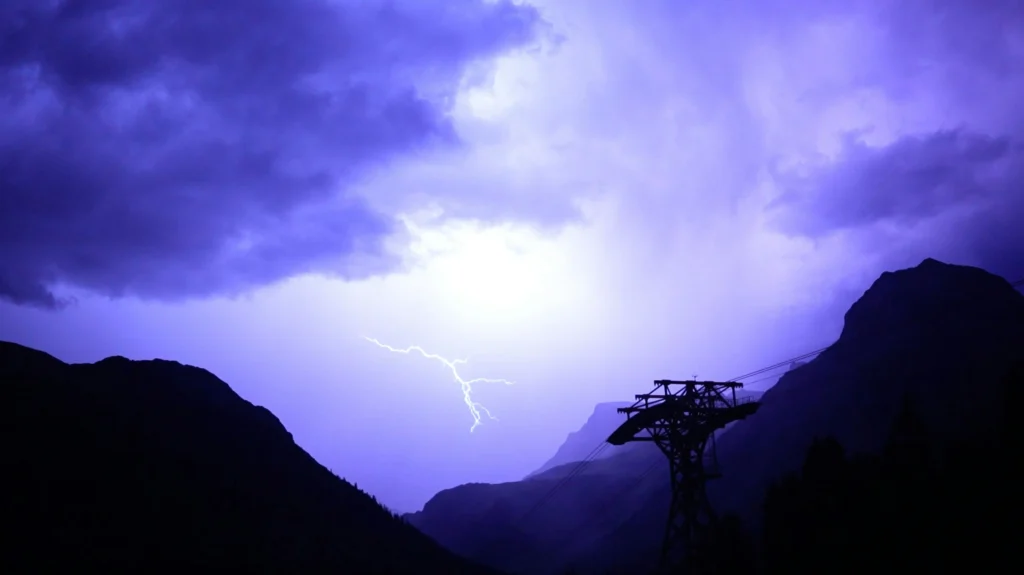
Switzerland, Austria, southern Germany and northern Italy entered a heightened period of summer travel disruption on Wednesday, July 1, 2026, as official weather agencies warned of severe thunderstorms, intense rainfall, flash flooding and localized debris flows across the Alpine region.
The developing weather pattern has placed mountain roads, hiking trails, regional transport connections and cross-border itineraries under pressure during one of Europe’s busiest outdoor tourism periods. Although authorities have not announced a shutdown of the entire Alpine rail system, travelers face a growing risk of missed connections, restricted onward journeys and sudden changes to excursions involving buses, cable cars, roads and walking routes.
Official warnings issued across the four countries point to a shared operational challenge: powerful thunderstorms can develop rapidly and produce sharply different conditions between neighboring valleys. This has made live monitoring essential for visitors moving between railway stations, mountain resorts, trailheads and accommodation.
Switzerland Faces Flash-Flood and Debris-Flow Risks
MeteoSwiss has maintained its national warning system as unstable weather affects Swiss cities and mountain destinations. Thunderstorms in Switzerland can generate intense short-duration rainfall, strong wind gusts, hail, flooding, landslides and mudslides, creating risks well beyond exposed summits.
The impact on tourism could extend across complete travel chains. Visitors arriving by rail may still face interruptions involving local buses, mountain lifts, lake services or trails if storm cells develop near their destination.
Popular Alpine areas require particular caution because weather conditions can deteriorate between morning departures and afternoon returns. Travelers undertaking hikes are being encouraged to choose shorter routes, identify secure shelter and avoid itineraries that depend on a single late cable-car or bus connection.
Switzerland’s dense public transport network remains one of the strongest ways to reach its destinations. However, severe weather can reduce interchange time, slow local services and affect the road-based connections that support railway journeys.
Tyrol Road Damage Demonstrates Austria’s Exposure
Austria has already recorded physical infrastructure damage linked to recent storms. The Tyrolean government confirmed that debris flows around the Bichlbach and Hairlachbach affected the L16 Pitztalstraße on June 30.
The road was buried and undermined over a substantial section, while bridges were affected and parts of the route were damaged as water and debris moved through the valley. The incident showed how quickly localized mountain rainfall can become a major access problem for communities, hotels, tourism businesses and visitors.
Tyrolean authorities had previously warned of thunderstorms, heavy rain, hail and storm-force gusts, particularly across western areas of the region.
For travelers, the Pitztal disruption highlights the vulnerability of Alpine valleys that depend on limited access corridors. Even when hotels and attractions remain open, damage to one road can affect guest arrivals, employee movement, excursion schedules and emergency access.
Southern Germany Combines Storm Risk With Trail Closures
Germany’s national weather service reported a continuing severe-weather environment across parts of the south on July 1, with heavy showers and thunderstorms remaining part of the official warning situation.
In Berchtesgaden National Park, visitors also face existing access restrictions. The Landtalsteig was closed on June 30, while sections of the Wimbachtal trail network have remained impassable following an earlier rockfall.
Not every closure resulted from the latest storms. Nevertheless, active restrictions combined with fresh rainfall warnings reduce the number of reliable alternatives available to hikers.
This cumulative pressure is important for tourism. A railway journey into southern Bavaria may operate normally, but the planned holiday experience can still be disrupted if feeder buses, mountain paths or return routes become unsafe.
Northern Italy Raises Civil Protection Alert Levels
Italy’s Civil Protection Department published an updated national criticality bulletin on July 1 as meteorological and hydrogeological risks affected parts of the country. The official alert framework identifies orange conditions as potentially dangerous and urges the public to monitor national and regional bulletins.
Trentino’s Civil Protection authority issued a yellow alert and warned of potentially intense afternoon thunderstorms. Officials urged heightened attention as conditions were expected to deteriorate, particularly during the period when many hikers and day-trippers would normally be returning from mountain excursions.
Northern Italy’s mountain transport system depends on roads, local buses, rail services and seasonal access controls working together. Storms affecting only one component can therefore disrupt scenic drives, Dolomites excursions and cross-border journeys connecting Italy with Austria or Switzerland.
Travelers Urged to Build Flexibility Into Alpine Trips
The warnings do not mean that all Alpine tourism has stopped. Instead, authorities are signaling that journeys must remain conditional and adaptable.
Visitors should check national weather agencies, regional civil protection notices, railway operators, road bulletins, cable-car status pages and park authorities before departure and again during the day.
The July 1 alert pattern demonstrates that summer travel safety in the Alps cannot be based solely on seasonal expectations. Stable morning conditions may give way to intense afternoon rainfall, while older rockfalls and trail closures can leave fewer escape routes when new storms arrive.
Across Switzerland, Austria, southern Germany and northern Italy, successful travel now depends on shorter itineraries, flexible bookings, alternative routes and repeated consultation of official information.
For more travel news like this, keep reading Global Travel Wire