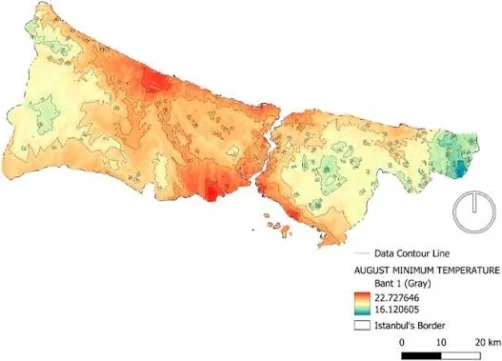
Istanbul entered a period of heightened summer travel pressure on Wednesday, July 1, 2026, as temperatures climbed to around 32°C and above-seasonal conditions increased heat exposure across one of the world’s busiest urban tourism destinations.
Official Turkish meteorological forecasts showed warm and partly cloudy conditions across Istanbul, with temperatures reaching approximately 32°C in central districts and potentially rising higher in exposed inland locations. Humidity remained elevated during the morning and evening, while strong sunshine and limited daytime shade intensified discomfort for visitors moving through historic districts, waterfront areas and major transport hubs.
The conditions have not resulted in a confirmed citywide shutdown of tourism or public transport. However, they are increasing the physical demands of sightseeing, slowing pedestrian movement and encouraging travelers to reorganize outdoor activities around cooler parts of the day.
High Temperatures Challenge Istanbul Sightseeing
Istanbul’s tourism experience depends heavily on walking, public transport connections and outdoor movement between attractions. Visitors commonly combine the Historic Peninsula, Sultanahmet, the Grand Bazaar, Galata, Taksim, the Bosphorus waterfront and ferry terminals within a single day.
During hot weather, these journeys become more demanding, particularly when they include steep streets, crowded platforms and long queues in exposed locations. Older travelers, young children and people unaccustomed to summer heat may experience fatigue more quickly.
The strongest heat is generally felt from late morning through the afternoon. Tourism operators can reduce exposure by arranging earlier departures, extending indoor stops and moving walking tours away from peak daytime temperatures.
Museums, mosques, covered markets and air-conditioned hospitality venues are likely to play a larger role in daily itineraries as travelers seek regular cooling breaks.
Humidity Adds to Visitor Discomfort
Humidity can make warm conditions feel more oppressive, especially during the morning and after sunset. However, the highest humidity levels do not necessarily occur at the same time as the day’s maximum temperature.
This means a perceived temperature near 40°C cannot be treated as a uniform citywide condition without a specific official heat-index reading. Nevertheless, the combination of heat, direct sunlight, limited ventilation and urban surfaces can still create significant thermal stress.
Istanbul’s dense built environment can retain warmth after sunset. Concrete, stone and asphalt absorb solar energy during the day and release it gradually, reducing nighttime cooling in busy districts.
This may affect evening activities along Istiklal Avenue, Eminönü, Karaköy and the Bosphorus, where visitor numbers often rise after daytime temperatures begin to fall.
Urban Mobility Remains Operational but More Demanding
Istanbul’s airports, metro system, trams, buses and ferries remain essential to the city’s tourism economy. No broad official suspension of these services has been confirmed in connection with the heat.
Even so, travelers may experience greater discomfort at uncovered stops, crowded transfer points and pedestrian approaches to stations. Longer interchange times should be considered, particularly when passengers are carrying luggage or connecting between airport services and city accommodation.
Ferry journeys can offer temporary relief because of airflow over the Bosphorus, although passengers should continue using sun protection on outdoor decks. Visitors should also keep additional time available for transfers rather than planning tightly connected itineraries during the hottest hours.
Regional Weather Picture Remains Mixed
The wider Southeast European and Eastern Mediterranean weather situation is not uniform. Greece, Bulgaria, Syria and different parts of Turkey can experience sharply different conditions within the same period.
Some destinations may face intense heat, while others may receive thunderstorms, strong winds or heavy rainfall. Bulgaria’s official warning system, for example, indicated intense rainfall risks in some areas on July 1 rather than a nationwide heat emergency.
Travelers planning multi-country routes should therefore avoid treating the region as one continuous heat zone. Local forecasts and public-authority warnings should be checked separately for every destination, including island, coastal, inland and mountain areas.
This is especially important for road journeys, ferry connections, outdoor excursions and cross-border itineraries that may encounter contrasting weather within a few hours.
Heat Safety Becomes Central to Tourism Planning
Visitors in Istanbul should prioritize hydration, light clothing, sun protection and frequent indoor breaks. Alcohol and excessive physical activity can increase dehydration, while long periods in direct sunlight may raise the risk of heat exhaustion.
Warning signs can include dizziness, headache, nausea, weakness, heavy sweating and confusion. Anyone experiencing serious symptoms should move to a cooler location and seek medical assistance.
Travelers should also avoid leaving children or animals in parked vehicles, where temperatures can rise rapidly.
Tourism Adapts to Hotter Summer Conditions
Istanbul remains open and accessible, but the heat is altering how visitors experience the city. Early-morning sightseeing, longer lunch breaks, indoor attractions and evening excursions are becoming more practical than continuous all-day outdoor touring.
Hotels, guides, restaurants and transport providers can support visitors by communicating weather conditions clearly and providing access to drinking water and shaded waiting areas.
The current conditions demonstrate how summer heat can influence tourism without closing a destination. For Istanbul travelers, flexibility, hydration and realistic scheduling have become essential parts of a safe and comfortable visit.
For more travel news like this, keep reading Global Travel Wire