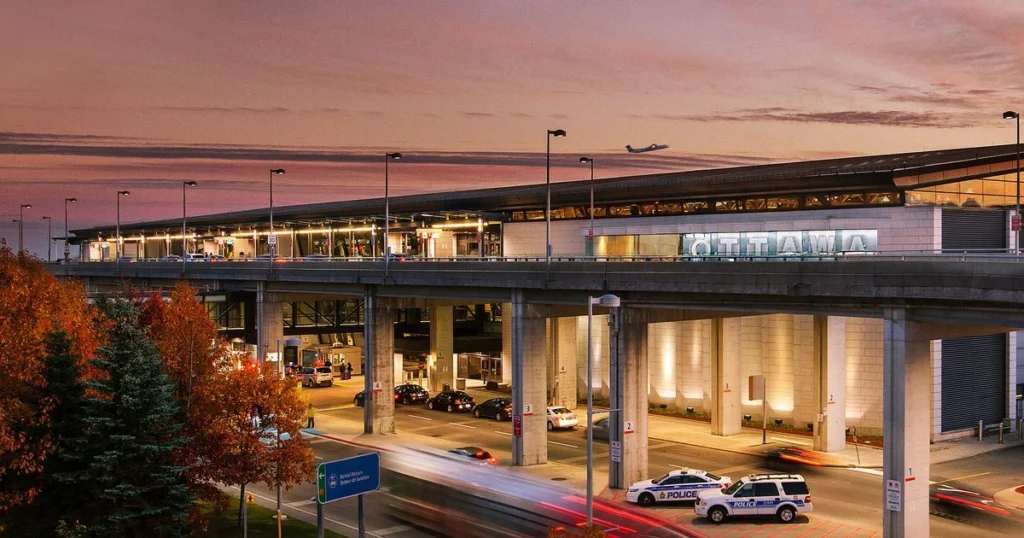
Travellers using Ottawa Macdonald-Cartier International Airport are facing widespread disruption after 36 flight cancellations and multiple delays affected domestic, transborder and international services.
Jazz, Porter Airlines, Air Canada, PAL Airlines and Air Canada Rouge were among the carriers impacted by the operational slowdown. Routes linking Ottawa with Toronto, Montreal, Boston, London, Deer Lake and several other destinations experienced cancellations or delays, leaving passengers managing rebookings, missed connections and unexpected waiting times.
The figures represent a live operational snapshot and may change as airlines revise schedules throughout the day. Ottawa International Airport provides real-time departure and arrival information, while passengers are encouraged to verify their flight directly with their airline before travelling to the terminal.
Jazz and Porter Record Most Cancellations
Jazz, which operates regional services under the Air Canada Express brand, recorded the largest number of cancellations, with 13 flights removed from the schedule and five additional services delayed.
Porter Airlines followed closely with 12 cancellations and 19 delays. The airline operates an extensive network from Ottawa, including important links with Toronto, Montreal, Halifax, Vancouver and several US destinations.
Air Canada recorded four cancellations and seven delays, while PAL Airlines cancelled four flights and delayed five. Air Canada Rouge added another three cancellations and one delayed service.
Together, these disruptions affected a wide range of passengers, including business travellers, families, connecting customers and tourists beginning or ending journeys in Canada’s capital.
Toronto and Montreal Connections Face Pressure
Services between Ottawa and Toronto were among the most heavily affected. Toronto City Centre, served through Billy Bishop Toronto City Airport, recorded a notable concentration of cancellations, while some flights involving Toronto Pearson also experienced operational changes.
These routes are particularly important because they provide onward access to domestic and international connections. A cancelled Ottawa–Toronto sector can therefore affect passengers travelling farther to western Canada, the United States, Europe or Asia.
Montreal services also faced cancellations, placing additional pressure on another major Canadian connecting hub. Travellers holding single-ticket itineraries should contact their airline if disruption threatens an onward connection, as carriers are generally responsible for arranging an alternative itinerary.
Regional and International Routes Also Affected
The disruption extended beyond Canada’s largest cities. Flights involving Fredericton, Windsor, Deer Lake, Halifax, Moncton, Charlottetown, Winnipeg, Edmonton, Calgary, Vancouver and Victoria appeared in the affected operational data.
Cross-border services to Boston, Washington, Newark and Chicago were also disrupted, while London and Paris added a transatlantic dimension to the slowdown.
Regional cancellations can create significant inconvenience because some routes operate less frequently than major trunk services. Passengers may therefore face a longer wait for the next available flight, particularly when travelling to smaller communities.
The disruption can also affect hotel bookings, rail connections, rental cars, cruises and organised tours, making rapid communication with travel providers especially important.
What Cancelled Passengers Should Do
Passengers should first check their email, text messages and airline application to determine whether they have already been automatically rebooked.
Under Canada’s Air Passenger Protection Regulations, airlines must generally complete a passenger’s itinerary as soon as reasonably possible when a flight is cancelled or delayed by three hours or more. Rebooking obligations apply even when the disruption is outside the carrier’s control.
Travellers who are unhappy with the proposed alternative should contact the airline before independently purchasing another ticket. Where rebooking options are unavailable or no longer meet a passenger’s travel needs, a refund may be available depending on the circumstances and applicable rules.
Porter advises that passengers affected by certain cancellations may qualify for rebooking or a refund to their original form of payment. Air Canada similarly directs customers to its disruption tools for rebooking, expense claims and compensation eligibility.
Meals, Hotels and Compensation May Apply
Passenger entitlements depend on the cause of the disruption, the airline’s size and the length of the delay.
When a cancellation or delay is within an airline’s control, passengers may qualify for food, communication assistance, accommodation and ground transportation when an overnight stay becomes necessary.
Financial compensation may also apply when the disruption is within the airline’s control and not required for safety reasons. Under current Canadian rules, compensation for arrival delays can range from C$125 to C$1,000, depending on the carrier’s size and the length of the delay.
Passengers should retain boarding passes, booking confirmations and receipts for reasonable expenses. Those who cannot resolve a claim directly with the airline may submit a complaint to the Canadian Transportation Agency after first contacting the carrier in writing and allowing it time to respond.
Travellers Urged to Check Before Leaving
The Ottawa disruption demonstrates how cancellations at one airport can quickly affect routes across Canada and beyond.
Passengers should monitor flight status, travel with essential medication and chargers in hand luggage, and allow extra time for check-in and security. Flexibility remains crucial as airlines continue adjusting aircraft, crews and schedules to restore normal operations.
For more travel news like this, keep reading Global Travel Wire